Introduction
Estate planning ensures that assets are preserved, protected, and distributed according to one’s wishes. Yet, many families overlook a crucial step: placing their home into a living trust. This simple but powerful legal move can ensure that property avoids the lengthy, expensive, and public process known as probate, while preserving control and privacy for the property owner’s heirs.
Understanding Probate
Probate is the court-supervised legal process that authenticates a will, settles debts, and transfers property to beneficiaries. While necessary in certain cases, it can be time-consuming-often taking many months-and costly, as court fees, attorney’s fees, and administrative expenses can deplete the estate’s value. Moreover, probate proceedings are public, allowing anyone to access sensitive information about assets and beneficiaries. When a home is owned solely in an individual’s name and not within a trust or jointly titled, it must usually pass through probate before heirs can receive it. This delay can cause significant stress for surviving family members who may need to sell or occupy the property quickly.
How a Living Trust Avoids Probate
A revocable living trust is an estate planning tool through which an individual, known as the grantor, transfers ownership of assets, such as a home, to the trust during their lifetime. The grantor can serve as both the trustee (the manager of the trust) and the beneficiary while alive, retaining full control over the property, including the right to refinance, sell, or revoke the trust altogether. Upon the grantor’s death, the successor trustee distributes the property to the named beneficiaries without court involvement. This then bypasses probate entirely, ensuring that ownership transitions smoothly, privately, and without additional delay or expense.
Legal Foundations
Trusts are governed under state statutes such as the Uniform Trust Code § 101 et seq., adopted in various forms across multiple jurisdictions, which sets out the creation, administration, and duties of trustees. The Internal Revenue Code also recognizes revocable trusts as grantor trusts, meaning no separate tax filing is required during the grantor’s lifetime.
Cases like re: Estate of Heggstad, 16 Cal. App. 4th 943 (1993) illustrate how property intended to be part of a trust can be administered under the trust without probate, reinforcing the importance of clear trust documentation. Likewise, Clymer v. Mayo, 393 Mass. 754 (1985) underscores how trust planning integrates with broader estate planning objectives and the avoidance of intestate distribution through probate.
Additional Benefits of Placing a Home in a Trust
* Privacy – Unlike wills, trusts are not subject to public record. Beneficiaries and asset distributions remain confidential.
* Efficiency – Transfer of ownership occurs swiftly upon death, often within weeks rather than months or years.
* Continuity of Management – If the homeowner becomes incapacitated, the successor trustee can manage the property without a court-appointed guardian.
* Avoidance of Ancillary Probate – Out-of-state real estate can pass through the trust without requiring probate in multiple jurisdictions.
Complementary Estate Planning Considerations
While a trust addresses property transfer and privacy, comprehensive estate planning should also include:
* Last Will and Testament – A “pour-over will” ensures any assets not titled in the trust are transferred into it upon death.
* Durable Power of Attorney – Empowers an agent to handle financial matters if incapacitation occurs.
* Health Care Proxy and Living Will – Designates medical decision-makers and directives for end-of-life care.
Together, these documents create an integrated plan that preserves family harmony, minimizes tax exposure, and ensures that personal wishes are honored.
Conclusion
Placing a home into a trust is a prudent and time-tested strategy to protect one’s most valuable asset from unnecessary delays and costs associated with probate. A well-crafted trust, when part of a comprehensive estate plan, provides clarity, continuity, and peace of mind for both property owners and their loved ones.
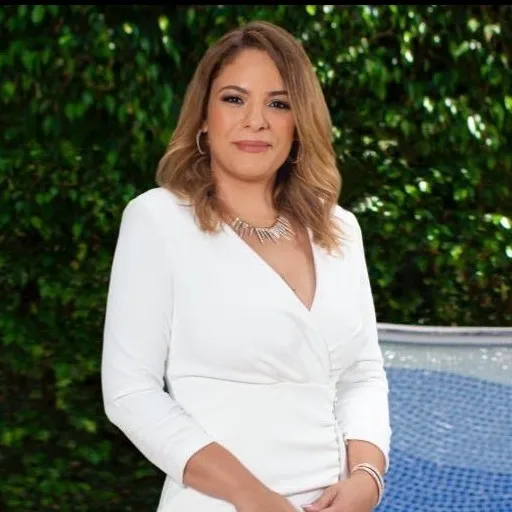
Diana Diaz PLLC advises clients on establishing tailored estate planning structures designed to safeguard assets and ensure seamless transitions from one generation to the next. Engaging in thoughtful planning today can secure the legacy and stability your family deserves tomorrow.
Any content, resident submissions, guest columns, advertisements, and advertorials are not necessarily endorsed by or represent the views of Best Version Media LLC (BVM) or any municipality, homeowners associations, businesses, or organizations that this publication serves. BVM is not responsible for the reliability, suitability, or timeliness of any content submitted, inclusive of materials generated or composed through artificial intelligence (AI). All content submitted is done so at the sole discretion of the submitting party.