If you’ve ever had a good bottle of wine with dinner, you might have noticed a few different nuances, such as bell peppers, butter, cherries, black pepper, and mint. Why do wines taste the way they do? Is the winemaker sneaking into the winery in the middle of the night and throwing ingredients in the vat? For the most part, the answer is “no”. Here’s why wines can have different tastes!
Most wines you’d see in a store are made from grapes, usually cultivars of the species Vitis vinifera. Many of the grape varieties you might recognise from wine bottles, such as Chardonnay, Cabernet Sauvignon, and Shiraz, are part of that species. Each grape variety has a natural tendency to create different aromas and flavours. Riesling, for example, often has citrus, green apple, and minerally characteristics, and Pinot Noir often has cherries in some form with some funky earthy notes backing it up. That said, grape variety is not the only influence on how a wine tastes.
Growing conditions play a huge role in a wine’s taste. The simplest factor is the ripeness of the grapes. An unripe grape has a high amount of acidity and low amounts of sugar and tastes “green”. By contrast, a grape that’s overripe has much lower acidity and develops far more sugar. All sorts of other growing conditions play parts, too, including the general climate of the area, the weather of that specific year, slopes and aspects of the vineyard, soil composition and type, rainfall patterns, and many more things! How all the different subtle influences on the grapes in the vineyard affect the flavour is known as terroir.
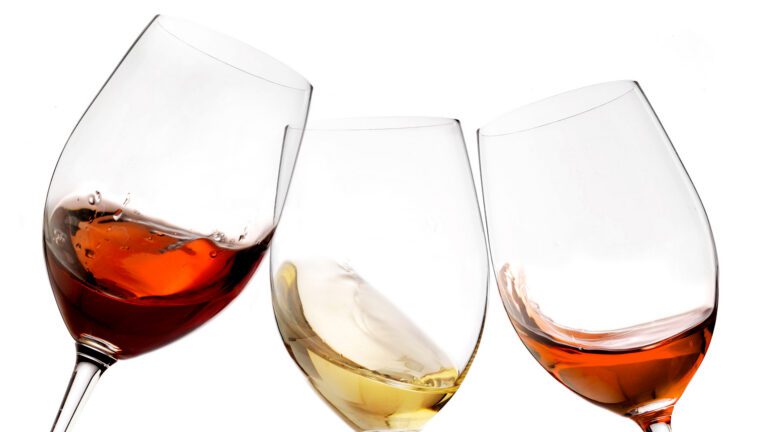
Further influences in the winery also factor into the flavour. In addition to changing the sugars into alcohol (which changes the grape juice to wine), yeast imparts different flavours depending on the yeast species and strains. In addition, some wines also undergo malolactic conversion, using beneficial bacteria to change the tart, green apple-tasting malic acid to the softer, buttery lactic acid. Rosé and red wines typically get their colour and tannin from having the grape skins kept in contact with the juice for a period of time, a few hours for the lightest rosés to months for some of the deepest reds. Winemakers can choose to blend different grape varieties, sometimes for softening some wines, or other times for adding more structure and aging potential. Other influences include aging the wines in oak barrels or even deciding when to stop fermentation: either letting it go until nearly all the sugar is converted to alcohol or keeping some sugar in to keep the wine sweeter.
Finally, aging the wine also changes the flavour. Generally, red wines get lighter in colour over time and white wines get darker. They both approach a more “brown” colour. In addition, fresh fruit notes often change to dried fruit notes (like plums to prunes), and some notes become more predominant as others fade. Some wines age gracefully, though some lose more than they gain.
So next time you’re having a glass of wine, take a moment to appreciate the smells and tastes. There’s a lot that goes into that glass!
Any content, resident submissions, guest columns, advertisements, and advertorials are not necessarily endorsed by or represent the views of Best Version Media LLC (BVM) or any municipality, homeowners associations, businesses, or organizations that this publication serves. BVM is not responsible for the reliability, suitability, or timeliness of any content submitted, inclusive of materials generated or composed through artificial intelligence (AI). All content submitted is done so at the sole discretion of the submitting party.