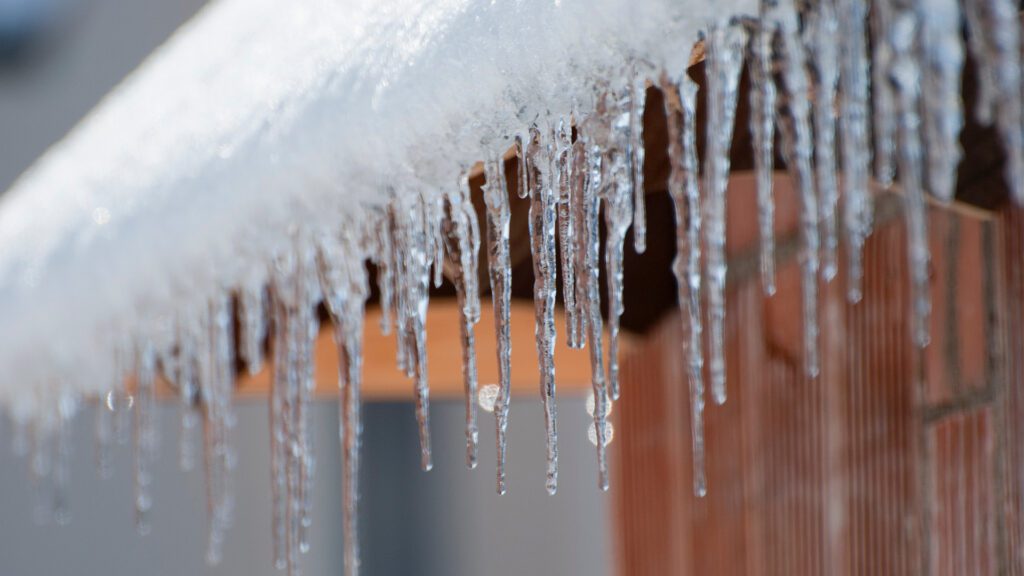
Months of snow, ice, wind, and freezing temperatures quietly put stress on roofs, gutters, foundations, and mechanical systems. By the time the snow melts and the first warm days arrive, most homes have made it through the season, but that doesn’t mean they came through it unscathed.
Spring is the season when homeowners get their first real opportunity to see how their house handled the Winter. A quick walk around the property can reveal small issues that developed during months of harsh weather. Shingles may have loosened from wind or heavy snow. Gutters filled with ice and debris may now be clogged and unable to carry water away from the home. Caulking around windows and exterior trim can crack during freeze-thaw cycles, leaving small openings where moisture can seep in. These may seem like minor concerns, but they can quickly turn into bigger problems once Spring rains begin.
Take the roof, for example. A few missing or damaged shingles might not seem urgent, but they create an entry point for water. Over time, that moisture can travel into the attic, soak insulation, stain ceilings, and even lead to mold growth. The same is true for clogged gutters. When gutters can’t properly direct water away from the house, rainwater often ends up pooling near the foundation. In a region known for Spring storms, that water can eventually find its way into basements or crawl spaces, leading to costly repairs and long-term moisture issues.
Spring is also a good time to check areas homeowners often overlook during the Winter months. Outdoor faucets and irrigation systems can develop small cracks if pipes freeze during the colder months. Turning them on early in the season allows homeowners to catch leaks before they waste water or cause hidden damage behind walls. Walkways and driveways should also be inspected, as freeze-thaw cycles can shift concrete and create cracks or uneven surfaces that become safety hazards.
Even simple maintenance inside the home helps protect the property. Replacing batteries in smoke detectors and carbon monoxide alarms ensures those safety systems are ready when needed. Servicing HVAC equipment before the heat of Summer arrives helps systems run more efficiently and can prevent unexpected breakdowns during the hottest days of the year.
The reality is that homes are constantly exposed to the elements, especially in the Midwest. Small maintenance tasks may seem easy to postpone, but when ignored, they often grow into much larger and more expensive problems. Taking a little time each Spring to inspect, maintain, and address minor issues can make a significant difference in the long-term health of a home.
For many homeowners, spring maintenance is less about adding work to the to-do list and more about protecting one of their most important investments. A careful check now helps ensure that a home remains safe, comfortable, and well-maintained for the seasons ahead.