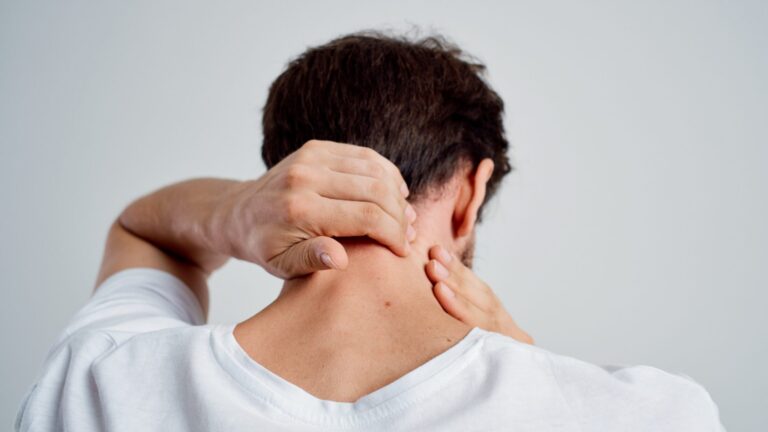
A concussion can be confusing—not just medically, but emotionally. Symptoms can be
inconsistent: you feel better one day and worse the next, especially after screens,
activity, or poor sleep. And for many people, the symptoms that linger the longest are
dizziness, headaches, and neck pain.
Medical guidance matters after a concussion. This article is here to help you understand
common patterns and what “next steps” often look like when symptoms don’t resolve as
quickly as you expected—especially when the neck is involved.
What a concussion is…
A concussion is a type of mild traumatic brain injury. It can happen after a hit to the
head, a fall, a sports impact, or any force that causes the brain to move quickly inside
the skull. You do not have to lose consciousness to have a concussion.
A concussion can affect how your brain processes information, how your body handles
stimulation (like light and noise), and how your nervous system regulates energy and
balance. That’s why symptoms can feel both physical and mental.
Common symptoms and typical timelines
Concussion symptoms vary, but many people experience some combination of
headaches, dizziness or balance issues, sensitivity to light or sound, fatigue, brain fog,
irritability, sleep disruption, and neck pain.
A lot of people improve noticeably within a few days to a few weeks. But some recover
more slowly, especially if there’s a history of prior concussions, migraine patterns, high
stress, poor sleep, or neck strain from the injury. Slow recovery doesn’t mean you’re
“broken.” It usually means you need a more structured plan, and often a closer look at
contributing systems like the neck, vision, and balance pathways.
Why neck strain often accompanies concussion
Here’s a key point people miss: many concussions include a whiplash-like mechanism,
even if there wasn’t a car accident. The head moves suddenly, and the neck has to
absorb that force.
If the neck is irritated, stiff, or guarded, it can contribute to symptoms that feel “brain-
related,” including headaches (especially near the base of the skull), a “floaty” or off-
balance feeling, symptoms that flare with head movement, and poor tolerance to
screens or prolonged sitting.
This is one reason some people keep getting symptoms even after they’ve “rested.” The
brain is recovering, but the neck injury component may still be driving irritation and
sensitivity.
Dizziness and balance issues: Common patterns
Post-concussion dizziness is common and it can come from more than one system.
Some people have inner ear (vestibular) irritation. Others have visual tracking issues
(the eyes and brain aren’t coordinating smoothly yet). Some have a neck-based balance
component, because the neck provides constant feedback to the brain about head
position. And some experience dizziness simply from fatigue, deconditioning, or
nervous-system overload.
Because the “why” can differ, the best plan can differ too. That’s why random exercises
online can help one person and frustrate another. Getting a targeted assessment can
save a lot of time.
Where a neck-focused upper cervical evaluation may fit
If you’re dealing with lingering headaches, dizziness, and neck pain, a neck-focused
evaluation may be a helpful part of a broader recovery plan – especially if symptoms
flare with posture, head movement, or sustained sitting. Upper cervical chiropractic
focuses on the top two bones in the neck (C1 and C2). This area supports the head and
plays a major role in head position and how the body adapts to stress. If C1/C2 are
misaligned after an injury, it may disrupt nerve communication between the brain and
body. Since the nervous system controls every function in the body, that can affect how
you feel and how well you recover, especially when the pattern includes neck tension,
headaches, and dizziness.
Upper cervical care is a natural, conservative approach. The goal is not forceful
twisting. It’s a precise evaluation and gentle correction to support the body’s
ability to heal.
Any content, resident submissions, guest columns, advertisements, and advertorials are not necessarily endorsed by or represent the views of Best Version Media LLC (BVM) or any municipality, homeowners associations, businesses, or organizations that this publication serves. BVM is not responsible for the reliability, suitability, or timeliness of any content submitted, inclusive of materials generated or composed through artificial intelligence (AI). All content submitted is done so at the sole discretion of the submitting party.