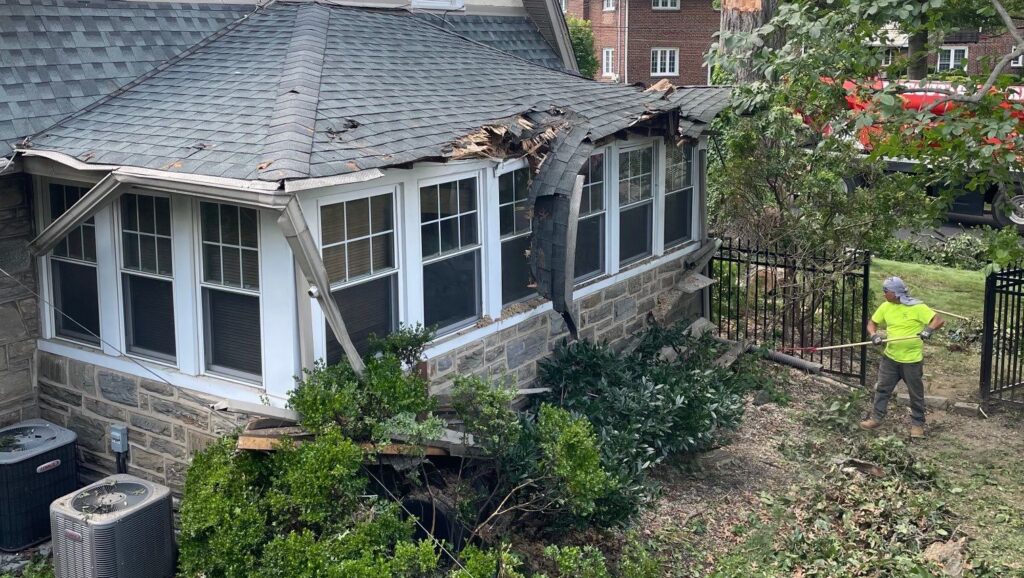
Creating a home inventory is one of the simplest and most effective steps homeowners can take to protect their property and financial well-being. In the event of a fire, theft, natural disaster, or other unexpected loss, it can be difficult to remember everything you owned—especially under stressful circumstances. A detailed home inventory provides proof of ownership and helps ensure that insurance claims are processed more smoothly and accurately. By documenting your belongings in advance, you not only gain peace of mind but also save valuable time if you need to replace damaged or lost items.
How do I create a home inventory?
The first step is to decide on what type of inventory would be easiest for you to create. A home inventory can be as simple as a list of all your possessions or a visual record of each item. Still, an effective home inventory will typically include both for added security. Today, there are even digital tools to help maintain the list.
Written inventory — a comprehensive home inventory list catalogs your belongings. Include the item description (make, model, and serial number, if applicable), value, where you purchased it, and the purchase date. You can create your list using a spreadsheet or complete a home inventory checklist to get started.
Digital inventory — if you have an iPhone or Android phone, you can download apps, some of which are free. These digital home inventory apps typically allow you to record a photo of the item along with its description, value, and purchase date.
Visual record — A visual record of your possessions can help show proof of ownership. This can be accomplished with a video walkthrough of your home or a series of photographs accompanied by written descriptions.
Once you decide on the type of home inventory you want to create, according to the Insurance Information Institute, there are some simple steps you can take to start the process. Also, consider obtaining appraisals for your most valuable possessions, such as antiques, art, jewelry, collectibles, and electronic equipment. If you have any questions about which items your policy may cover, contact your insurance agent.
- Record possessions when packing for a move — When moving to a new apartment or home, take extra time to record the belongings in each room.
- Pick one area at a time to record — You could start with a hall closet or small kitchen cabinet. After securing your belongings, proceed to the next space.
- Document recent purchases — Get into the habit of recording new purchases. Along with the record, store sales receipts and appraisals (including the appraiser’s name and address) to verify the value of each item.
- Record important information — Provide a detailed description by listing where you purchased the item, date of purchase, the make and model, and the amount you paid. Include the serial number if the item has one.
- List the number of each clothing type — For example, “three black dress pants, two white button-down shirts, one pair of blue sneakers…” Most importantly, document all valuables in detail.
- Include stored items as well — These could include items kept in your basement, attic, garage, detached structures, or a self-storage unit.
If you have questions about creating a home inventory or want to make sure your home and belongings are properly protected, I’m here to help. As your local insurance agent, I can review your current coverage, answer questions about your policy, and help ensure you’re prepared for the unexpected. Reach out today to schedule a policy review and gain peace of mind knowing your home and everything in it is protected.
Any content, resident submissions, guest columns, advertisements, and advertorials are not necessarily endorsed by or represent the views of Best Version Media LLC (BVM) or any municipality, homeowners associations, businesses, or organizations that this publication serves. BVM is not responsible for the reliability, suitability, or timeliness of any content submitted, inclusive of materials generated or composed through artificial intelligence (AI). All content submitted is done so at the sole discretion of the submitting party.