Nature plays an integral role in our lives and wellbeing, as such it is important we do what we can, and are able to, in order to keep the ecosystem healthy. In preventing conflict between humans and nature, prevention is the best route and far less costly than a fix after wildlife has made your home, theirs.
Maintenance:
- Keep shrubs, trees and other foliage about 2-3 feet away from your siding/roof.
- Do not store firewood or other items against the home
- Keep buckets flipped upside down to prevent breeding sites for insects in standing water
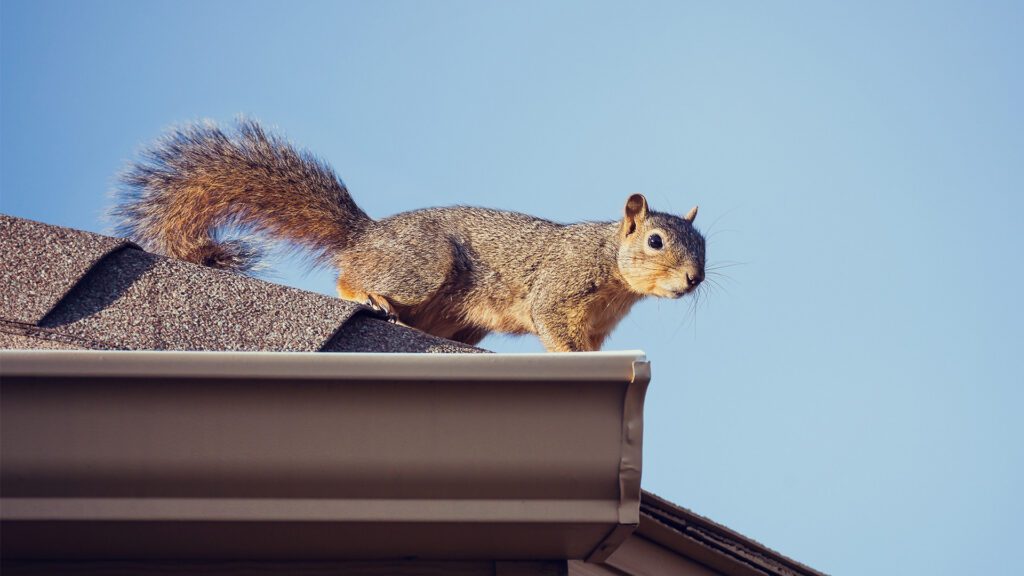
These are a few simple maintenance steps that will remove harborage areas from rodents and other animals, allow our native predators to control pests naturally and encourage nesting of pests to stay away from your home, limiting the risk of an altercation.
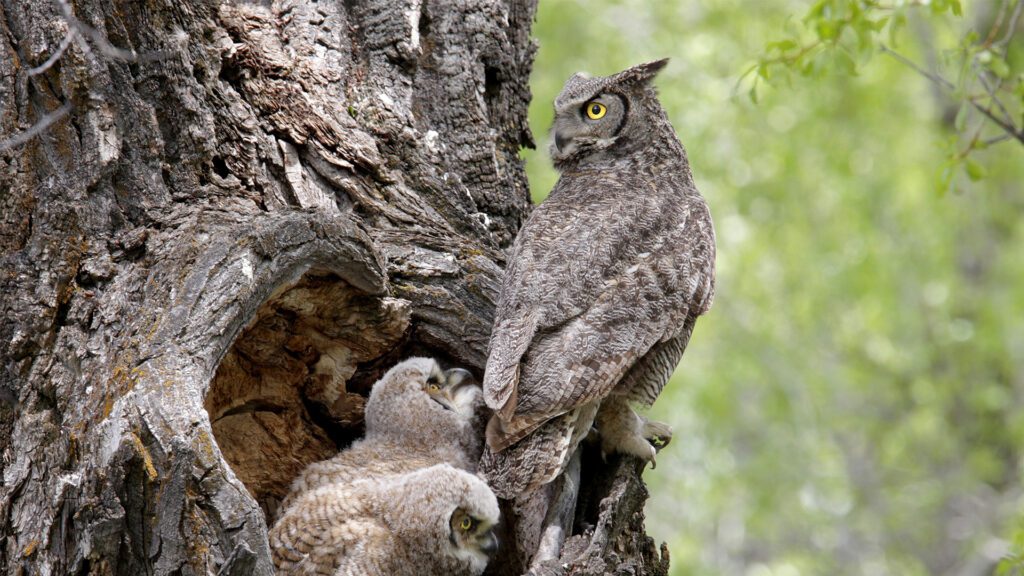
As an added benefit, having access to their prey will sustain our birds of prey, promoting successful breeding seasons and helping sustain their populations!
Self Treatment:
- Research any poisons, sprays and other alleged repellents to understand their dangers before applying.
- The label is the law, read it fully as this will keep you and your family safe while avoiding harming the environment!
- Don’t place traps for rodents outside without making sure they are in a secure item that will prevent unintended animals from entering.
A common rodenticide formulation is known as a 2nd gen anticoagulant. These are marketed as killing rodents in just one or two feedings. The problem is they are so potent that secondary consumers will also be poisoned and die. This impacts our hawks, owls, coyotes and other animals. If natural resolution fails and poison is needed, consider vitamin d3 or other less risky poisons that reduce the risk of secondary poisoning.
As an additional note, there is a common misconception, even by pest control technicians learning the field, that anticoagulants will make rodents thirsty so they leave your home and die near a water source. This is untrue. Typically, just like when we’re sick, they will go home to their nest. If they are in your home, they will most likely die in the wall and leave you with an unpleasant smell and a lot of flies. So don’t use poisons in your home! For exterior rodenticides it is best to delay placement until all entry points into your home are secured.
This list is just a start and so much more can be shared in developing your home into a wildlife friendly zone while limiting your chances of pest issues. If you have questions, desire more specific articles or just need to be pointed in the right direction; let us know! We love to hear from you and each home is unique as are its needs!