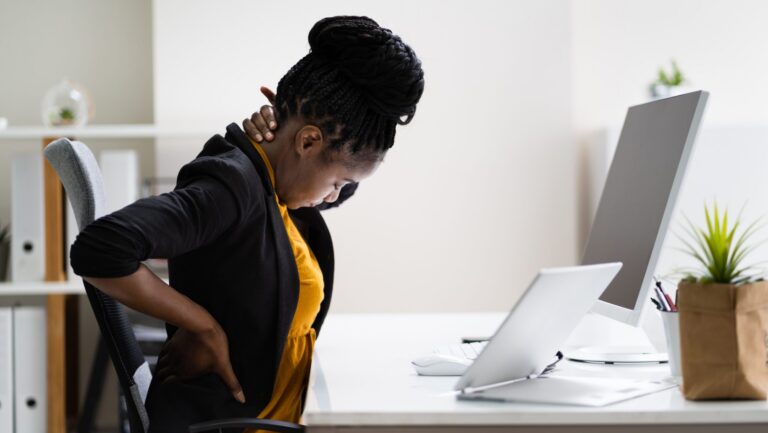
Cupping, an ancient technique that patients have started demanding, has become new and exciting again since its rediscovery by the Olympic athletes. Although we at BioMechanic Physical Therapy have always done cupping, we are happy that it has become accepted and respected as mainstream care in the modern world of healing. The round red marks occur because the round suction cup draws blood to the surface using the pressure inside the suction cup. The suction pressure does a lot more than draw blood to the surface, so don’t stop reading.
Chinese cupping therapy is a simple treatment that produces powerful results. Cupping can be done in either of two ways: using vacuum pressure mechanically or using a heated cup, so that as it cools, it creates a vacuum. Our cupping set uses a vacuum pump to create vacuum pressure that lifts adhered skin off the surface, like when you have a scar that dimples or doesn’t move over the surface of your muscles as normal skin does. It helps restore the normal motion of the tissue layers. It can also be used for many of the same problems as the Graston tools (we describe this in our “Geek Gadget Guide; call or stop by for a copy of that if you missed it). Here is a list of things that cupping can help with:
- Improves scar quality and motion: Over time, scars can become rigid and limit movement. Cupping softens the scar tissue and restores flexibility.
- Restoring tissue to normal after an injury: Injuries often leave tissues tight or immobile. Cupping helps re-establish healthy motion.
- Increasing local circulation: By drawing blood to the surface, cupping brings nutrients and oxygen to the tissues that need them most.
- Reducing fascial tightness: Fascia, the connective tissue that surrounds muscles, can become stiff and restrict movement. Cupping loosens it, improving overall flexibility.
- Reducing muscle spasm: For muscles stuck in a painful cycle of spasm, cupping provides relief by encouraging relaxation.
- Decreasing the tightness of trigger points: Stubborn knots in your muscles can be gently released through cupping.
- Separates fused tissue layers: Over time, layers of tissue can become stuck together, limiting movement. Cupping separates these layers and restores proper function.
- Loosening adhesions: Adhesions — areas where tissues stick together due to injury or overuse — can be effectively released with cupping.
- Stimulates healthy elimination of accumulated debris and toxins: Cupping encourages your body’s natural detox process, clearing out waste from tight or stagnant tissues.
As you can see, cupping therapy is versatile and can be modified to accomplish a range of results. Of course, you may know that because we focus on manual therapy, we use our hands and obtain many of these results via massage. Cupping is used on tougher problems, so we often use it in conjunction with massage. Contact your physical therapist today to give cupping a try, or call BioMechanic Physical Therapy for more information at 757-917-7857.
Any content, resident submissions, guest columns, advertisements, and advertorials are not necessarily endorsed by or represent the views of Best Version Media LLC (BVM) or any municipality, homeowners associations, businesses, or organizations that this publication serves. BVM is not responsible for the reliability, suitability, or timeliness of any content submitted, inclusive of materials generated or composed through artificial intelligence (AI). All content submitted is done so at the sole discretion of the submitting party.