Frank Georgallis is a fourth-generation jeweler and the owner of Gregory’s Jewelers, where Old World craftsmanship meets modern design. Raised in the family business, Frank learned the art of jewelry making hands-on, from polishing and sizing to sourcing gemstones and creating custom pieces. With deep respect for tradition and a passion for educating clients, Frank believes every gemstone tells a story worth knowing. In this monthly column, he shares the history, meaning, and timeless appeal behind each featured gem.
May Gem of the Month: Emerald
History & Origins
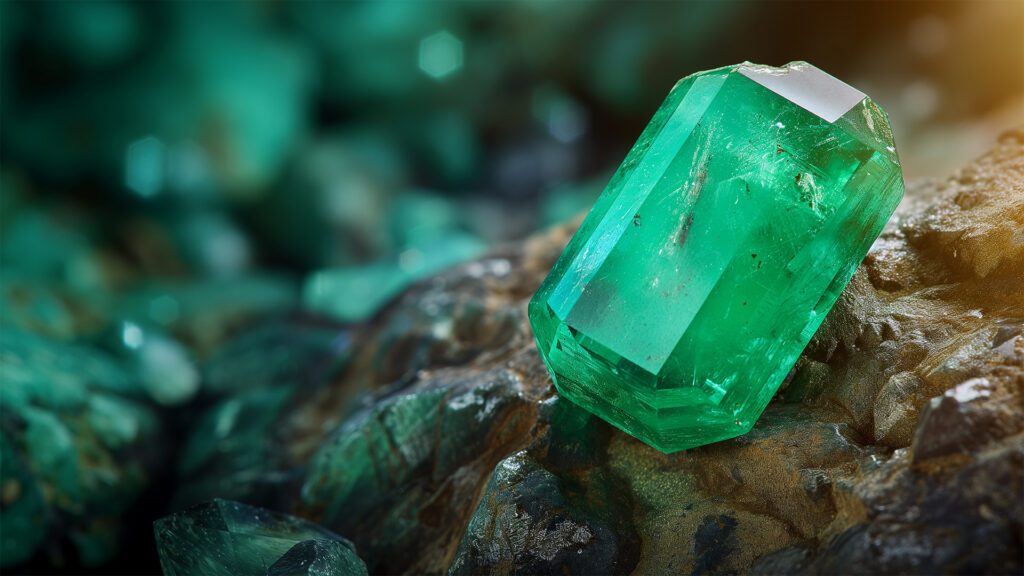
The emerald has been treasured for thousands of years, admired for its rich green color and deep connection to nature. Its name comes from the Greek word smaragdos, meaning “green stone,” a nod to its vibrant, lush hue. Ancient civilizations, including the Egyptians, prized emeralds as symbols of fertility, renewal, and eternal youth. Cleopatra was famously known for her love of emeralds, often wearing them as a sign of power and beauty.
Meaning & Symbolism
Widely associated with growth, balance, and renewal, the emerald was believed to enhance wisdom, strengthen memory, and promote clear thinking. Many cultures viewed emeralds as a stone of truth and insight, encouraging honesty and emotional harmony. It has also long been considered a symbol of love and rebirth, representing lasting relationships and new beginnings.
Folklore & Cultural Significance
In ancient lore, emeralds were believed to protect against negative energy and even reveal truth or deception. Some traditions held that the stone could calm emotions and bring harmony between partners. Throughout history, royalty and nobility favored emeralds not only for their beauty but also for their association with wisdom, prosperity, and composure.
Characteristics & Appearance
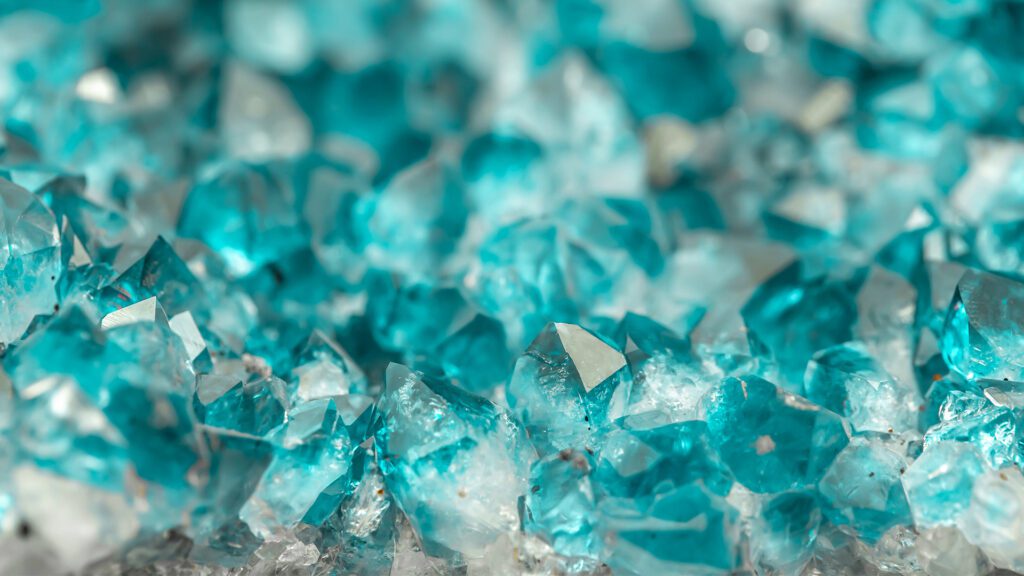
The emerald belongs to the beryl family, the same mineral group as aquamarine. Its color ranges from deep, vivid green to softer, more muted tones, with richer saturation typically the most prized. Most emeralds contain natural inclusions, often referred to as jardin, or “garden,” which make each stone unique. While slightly softer than some gemstones, emeralds are well-suited for rings, pendants, and earrings when worn with care. Their rich green hue pairs beautifully with yellow gold for a classic look or white metals for a more modern setting.