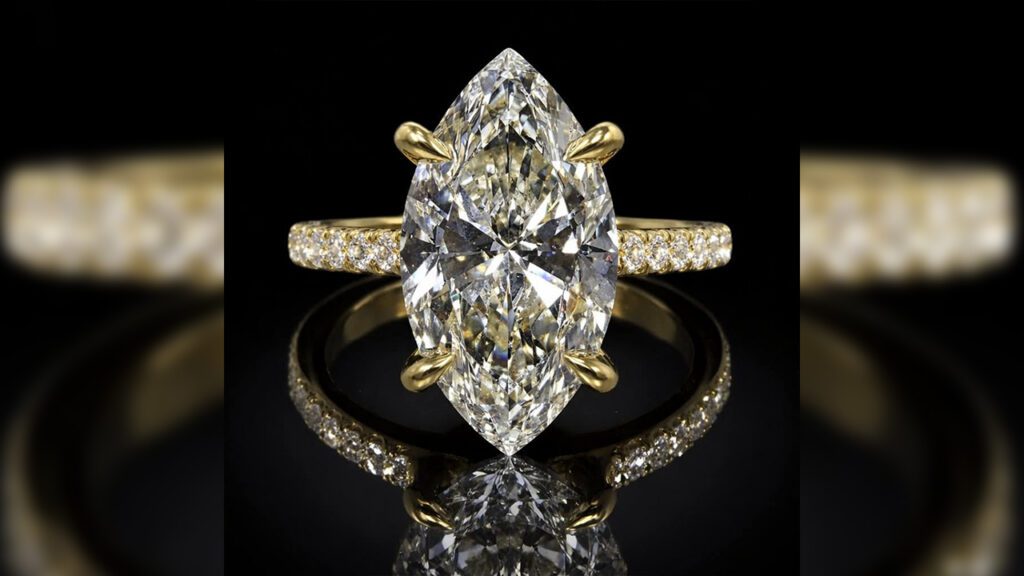
For most of my career, the diamond conversation was straightforward—natural diamonds, formed deep within the earth over billions of years, defined the category. Today, lab-grown diamonds have entered the market as a technologically advanced alternative, and the conversation has become more nuanced.
At their core, natural and lab-grown diamonds are the same material. They share identical chemical composition, hardness, and optical performance. To the naked eye—and even under most professional conditions—they appear the same. The difference lies in how they are formed and how the market perceives them.
Natural diamonds are finite. Their value is tied to rarity, geological origin, and long-standing market structures. Over time, they have maintained a level of price stability and are often chosen for pieces intended to carry long-term significance, whether emotional or financial. There is also an intangible element—many clients are drawn to the idea of owning something created by the earth over vast spans of time.
Lab-grown diamonds are created using advanced technology that replicates the conditions under which diamonds form naturally. Because they can be produced in a controlled environment, supply is more flexible, and pricing is typically lower. This allows for greater size or higher clarity within a given budget. For many buyers, this accessibility is a meaningful advantage, particularly for those prioritizing appearance and value in the present moment.
Rather than one replacing the other, the market has naturally divided into different use cases.
Lab-grown diamonds are often selected for fashion jewelry, travel pieces, and for buyers who want to maximize visual impact without allocating as much of their budget to a single stone. They also appeal to a newer generation of consumers who are comfortable with innovation and shifting definitions of luxury.
Natural diamonds continue to be chosen for heirloom pieces, traditional bridal, and for clients who place importance on rarity and long-term value retention. Their established position in the market provides a sense of continuity that many still seek.
My business is built primarily around natural diamonds, and that remains my core focus. At the same time, I source lab-grown diamonds for custom design projects and can replace a natural diamond with a lab-grown option upon request. The goal is not to steer the decision, but to provide the right options and execute them at the highest level.
Both belong in today’s market. The key is not comparison for superiority, but clarity of purpose—understanding what each offers, and aligning that with what matters most to the person wearing it.