Responsibility in leadership is a phrase we hear often. It sounds simple, even obvious—but when you take a moment to reflect on it, its meaning runs much deeper.
For me, it begins at home.
Leadership is first learned in the quiet, everyday moments of raising a family. It lives in the values we instill, the example we set, and the lessons we choose to pass down. It is not a single act, but a daily choice—a responsibility carried over a lifetime.
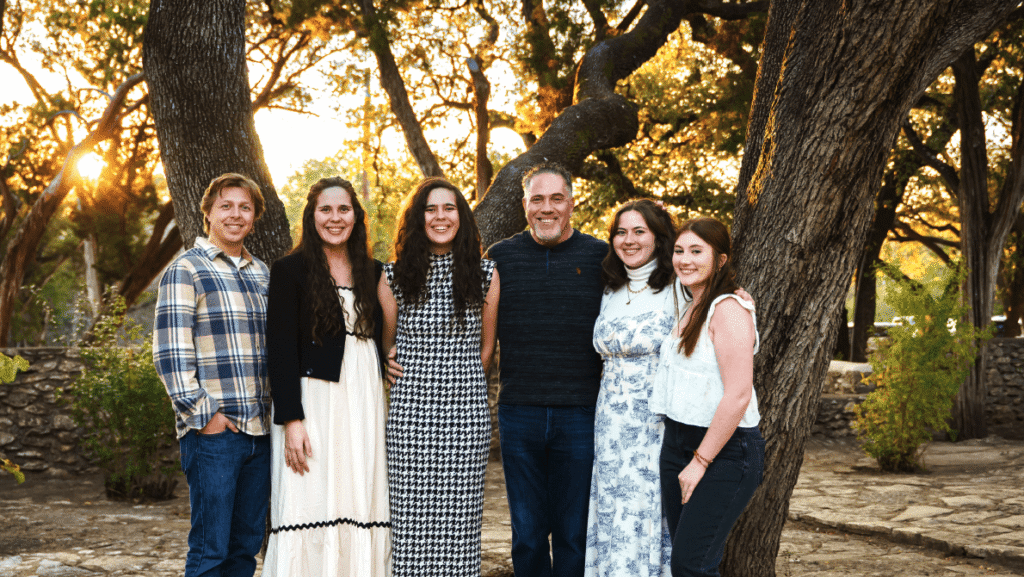
I was reminded of this in a powerful way during a recent visit with my grandparents. My grandfather is 96, my grandmother is 93. I was there with my mother, my daughter and son-in-law, and my grandson—five generations gathered under one roof. It was more than a visit. It was a moment that made you pause, a living picture of legacy.
Standing there, I couldn’t help but reflect. The decisions my grandparents made—how they lived, what they valued, how they treated others—shaped my mother. That, in turn, shaped me. And now, whether I fully realize it or not, I am shaping what comes next.
It raises a powerful question: if those before us had chosen differently, who would we be today? Responsibility in leadership is not something we create on our own. It is something we inherit, carry, and eventually pass forward.
At its core, leadership is not about power—it is about responsibility. It is reflected in how we show up, how we treat people, and what we model through our actions. Often, it’s not the big moments that define us, but the small, consistent ones. The conversations, the decisions, the standards we choose to hold. Every interaction becomes an opportunity—to lead with integrity, to act with compassion, and to take ownership of who we are and how we impact others. The mark of a true leader is not control, but balance: strength with compassion, decisiveness with humility, and discipline guided by a clear sense of responsibility.
This belief doesn’t stay at home—it carries into my work every day. In business, there are many visible responsibilities—schedules, materials, and safety to name a few. But the most important responsibility I carry is the trust placed in me by my clients. That trust is not something I take lightly.
I strive to demonstrate, through consistent action, that the values passed down to me—honesty, consistency, and accountability—are not just ideas, but standards. I lead projects with structure and clarity, but also with empathy and respect for the people I serve. Because at the end of the day, the work is not just about results—it’s about how those results are achieved.
One principle guides me above all: leadership is demonstrated through responsibility. Responsibility to my clients, to my team, and to every person I encounter. That means being fair, communicating openly, and delivering quality work with integrity.
When a client allows me into their home, it is more than a job—it is an act of trust. And I treat it that way. With care, with respect, and with the understanding that I am being entrusted with something personal.
Because to me, responsibility in leadership is more than a concept—it is something personal. It is a legacy that has been passed down to me, and one that I am committed to carrying forward with intention. And if we approach leadership this way—not as a position, but as a responsibility—we don’t just impact the present, we help shape what comes next.
I look forward to sharing more with you next month.
Any content, resident submissions, guest columns, advertisements, and advertorials are not necessarily endorsed by or represent the views of Best Version Media LLC (BVM) or any municipality, homeowners associations, businesses, or organizations that this publication serves. BVM is not responsible for the reliability, suitability, or timeliness of any content submitted, inclusive of materials generated or composed through artificial intelligence (AI). All content submitted is done so at the sole discretion of the submitting party.