In an era of global supply chains, it is easy to assume that sourcing for a restaurant is as simple as making a single phone call. While we used to get all our food delivered on a single truck, the shift toward truly local and organic food has transformed the process into something far more personal and complex.
As a community-focused business owner on Bainbridge Island, my husband and I decided in the early 2000s to bridge the gap between our home values and our professional practices. We wanted to support an infrastructure where the earth replenishes itself through sustainable farming rather than being depleted by industrial practices.
The Challenge of the Local Path
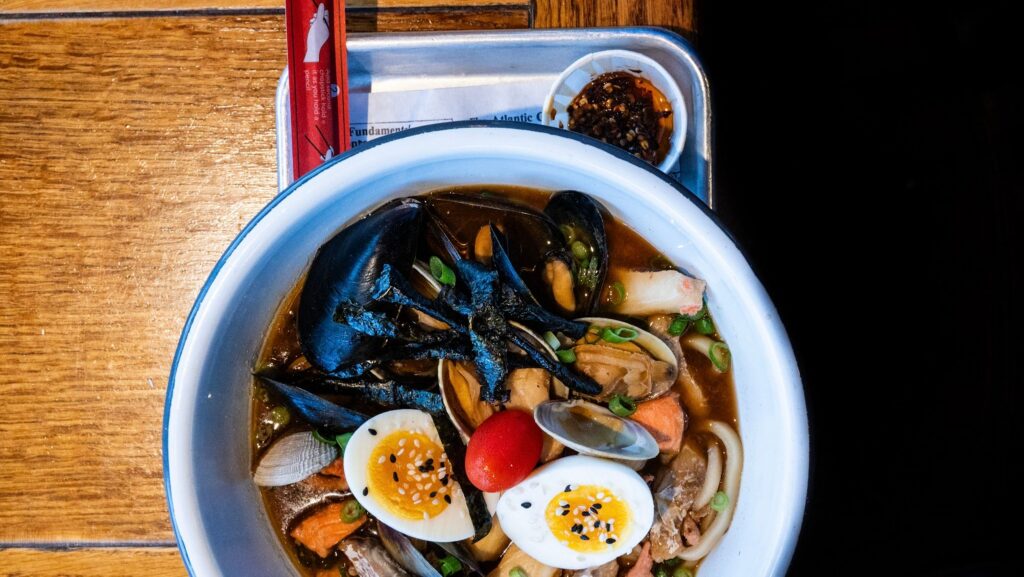
Choosing locally produced ingredients means stepping away from convenience. Instead of one primary supplier, we now coordinate with over 20 different purveyors. This requires building individual relationships with farmers and fishers, and sometimes physically picking up orders because small producers often lack delivery drivers. It is a labor-intensive system, but the positive impact on our local economy and the quality of the food make it worth the effort.
Living Seasonally
Supporting local food cycles also means accepting the rhythm of nature. In the Pacific Northwest, availability shifts constantly. At our pub, this means serving house-made tomato relish on our burgers in the winter rather than importing out-of-season fresh tomatoes from thousands of miles away. We encourage islanders to embrace this at home by shopping at farmers’ markets and choosing produce by the season—eating peaches and cherries in the summer, and apples in the winter. Avoiding “out-of-season” imports preserves global resources and ensures you are eating food at its peak nutritional value.
The Human Connection
Beyond the plate, the core of hospitality is connection. While automation is rising in many industries, we believe the heart of a “third place”—that essential gathering spot between home and work—is human interaction. Whether it is a server introducing you to a house-made kimchi or simply a neighbor greeting you at the bar, these connections are what turn a meal into an experience.
By choosing to support businesses that prioritize local sourcing and human connection, we all contribute to a more sustainable and vibrant future for our community.
Author Byline
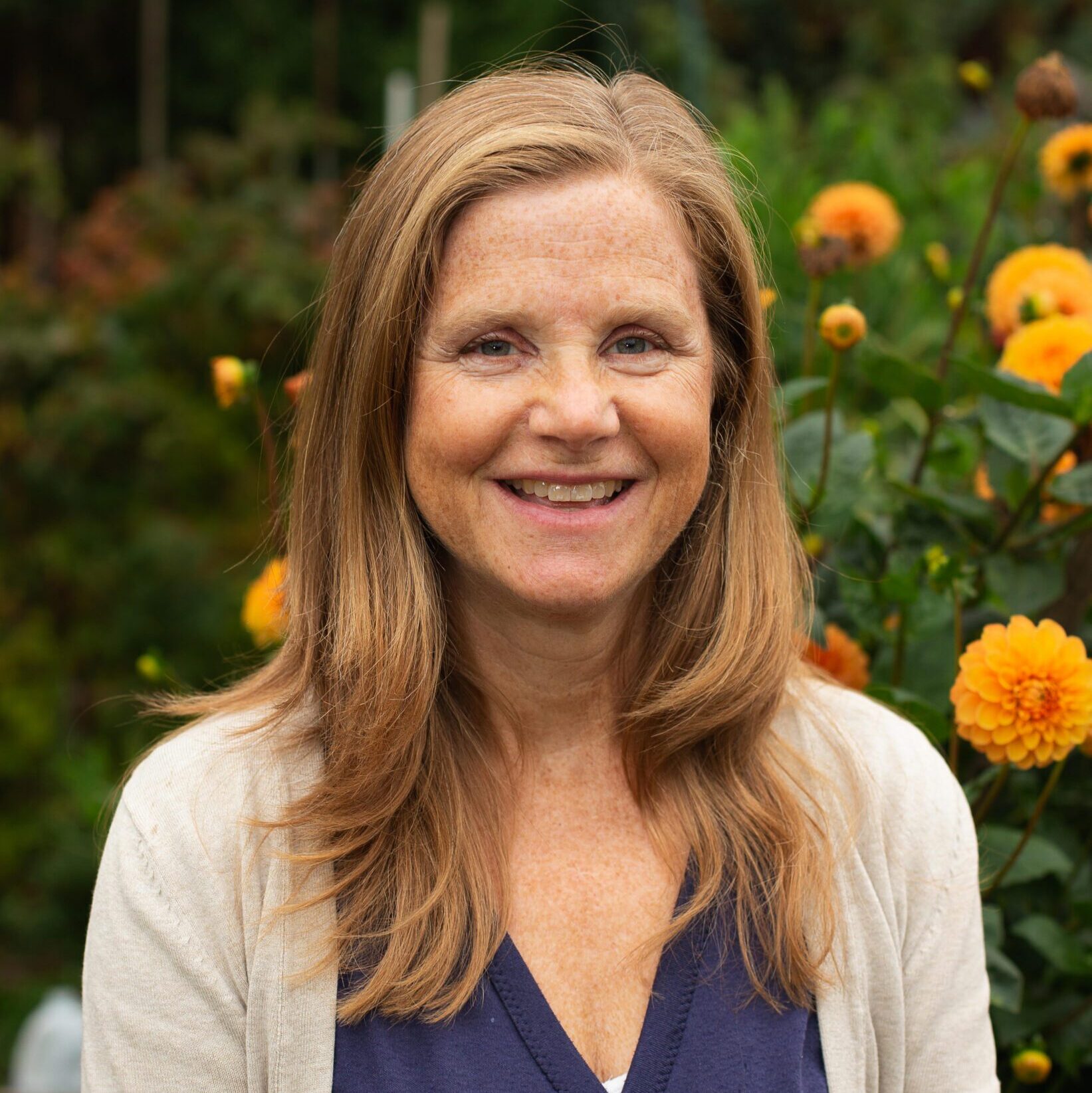
Jocelyn Waite is the owner of the Harbour Pub, a multi-generational family business located in a historic building on one of the original homesteads of Bainbridge Island. With over 30 years of experience in the hospitality industry, she specializes in fostering human connection and creating a welcoming “third place” for the local community. Jocelyn is a dedicated advocate for sustainable food cycles, prioritizing partnerships with local farmers and fishers to bring organic, seasonal ingredients to the table.