Getting your dog in shape is one of the most rewarding commitments you can make for their long‑term health and happiness. Just like people, dogs benefit from a balanced combination of exercise, mental stimulation, and proper nutrition. The key is to start gradually, stay consistent, and tailor the routine to your dog’s unique needs and personality.
Before beginning any new fitness plan, it’s wise to check in with your veterinarian. They can help determine your dog’s ideal weight, identify any limitations, and recommend safe activity levels. Once you have that baseline, you can begin building healthy habits at a comfortable pace.
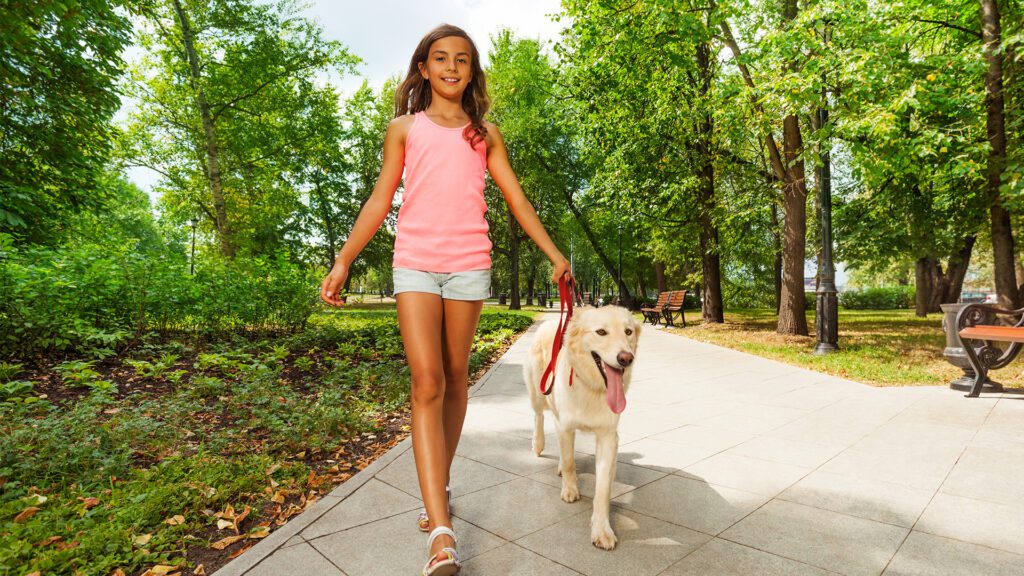
Daily walks are the simplest and most effective starting point. Begin with ten to fifteen minutes twice a day, especially if your dog has been sedentary. As their stamina improves, slowly increase the duration or introduce new elements like varied terrain, gentle hills, or slightly faster pacing. Many dogs also thrive when exercise feels like play. Fetch, tug, agility-style games, and even supervised swimming can burn calories while keeping your dog mentally engaged.
Nutrition is equally important. Measuring meals, choosing high quality food, and using low‑calorie treats can make a noticeable difference. Small pieces of fruits or vegetables ,like carrots, blueberries, or green beans , can keep your dog motivated without adding unnecessary weight.
For many owners, incorporating a professional dog facility into their dog’s fitness routine can be a game‑changer. A well‑run facility that offers individual attention can tailor activities to each dog’s preferences, energy level, and temperament. Not all dogs enjoy the same type of exercise, some love running, others prefer structured games, and some need confidence building activities before they’re ready for more physical challenges. Staff who take the time to understand what each dog enjoys can create a personalized plan that keeps them engaged and excited to move.
Facilities that work one‑on‑one with dogs can also help maintain consistency, especially for busy owners. Regular sessions ensure your dog stays active even on days when your schedule is packed.
Most importantly, a good facility focuses on safety. They monitor each dog closely, adjust activities as needed, and ensure that exercise remains positive and stress‑free. This individualized approach can help dogs build endurance, confidence, and healthier habits over time.
Whether you’re walking your dog around the neighborhood or partnering with a dedicated dog facility, the goal is the same: steady, enjoyable progress. Celebrate small improvements, stay patient, and remember that every step forward contributes to a healthier, happier life for your dog.