We know you’re busy and don’t have time for long workouts. That’s not an opinion — it’s a reality for most adults today. Between careers, family responsibilities, community involvement, and the nonstop pace of modern life, carving out time for health often feels impossible. And for many, the idea of spending hours in a loud, crowded, sweat-soaked gym is enough to delay getting started at all. That’s exactly why MaxStrength Fitness exists. We’ve developed a program to help you get fit in only 20 minutes twice a week — without breaking a sweat. Yes, twenty minutes. Twice a week. No sweat. And the results speak for themselves.
The Science Behind Why 20 Minutes Works
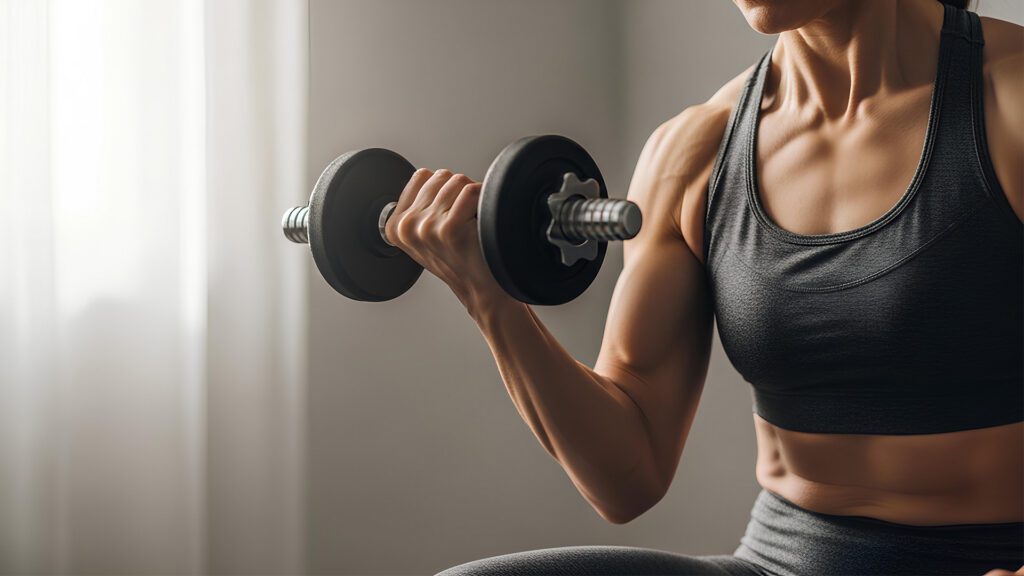
For decades, the fitness industry has promoted the idea that “more is better” — more time, more reps, more days in the gym. But modern exercise science tells a different story. What matters most is intensity, not duration. Research published in the American College of Sports Medicine guidelines confirms that properly performed resistance training just two times per week is sufficient to significantly increase strength and muscle mass in adults.¹ Additionally, a landmark study in the British Journal of Sports Medicine found that strength training is associated with a 10–20% reduction in all-cause mortality — independent of aerobic exercise.²
This concept is known as the minimum effective dose — the smallest amount of exercise required to produce the optimal physiological response. When performed correctly, high-intensity strength training stimulates deep muscle fibers, improves insulin sensitivity, increases bone density, and enhances neuromuscular coordination — all critical factors in aging well.
At MaxStrength Fitness, every session is designed around this scientific principle. Using slow, controlled, muscle-focused movements (very different from the fast-paced exercise you see in most gyms), we maximize muscular tension while minimizing joint stress.
The result? Efficient muscle stimulation. Reduced injury risk. No unnecessary wear and tear.
Why Strength Is the New Medicine
After age 30, adults naturally lose 3–8% of muscle mass per decade — a process known as sarcopenia.³ By midlife, this decline accelerates if not addressed. Muscle isn’t just about appearance. It’s a metabolic organ. It regulates blood sugar. It supports bone density. It stabilizes joints. It protects against falls. The CDC identifies strength training as a key component in preventing chronic disease and maintaining functional independence.⁴ In other words, strength isn’t cosmetic. It’s protective.
And it doesn’t require hours. It requires intention. Two focused, highly supervised sessions per week can change your strength, your confidence, and your long-term health trajectory. Because at the end of the day, fitness isn’t about sweating more. It’s about living longer — stronger.
References
1. American College of Sports Medicine. ACSM’s Guidelines for Exercise Testing and Prescription.
2. Saeidifard et al., 2022. “Association of Resistance Training With Mortality.” British Journal of Sports Medicine.
3. Cruz-Jentoft et al., 2019. “Sarcopenia: Revised European Consensus.” Age and Ageing.
4. Centers for Disease Control and Prevention (CDC). Physical Activity Guidelines for Americans.
Any content, resident submissions, guest columns, advertisements, and advertorials are not necessarily endorsed by or represent the views of Best Version Media LLC (BVM) or any municipality, homeowners associations, businesses, or organizations that this publication serves. BVM is not responsible for the reliability, suitability, or timeliness of any content submitted, inclusive of materials generated or composed through artificial intelligence (AI). All content submitted is done so at the sole discretion of the submitting party.