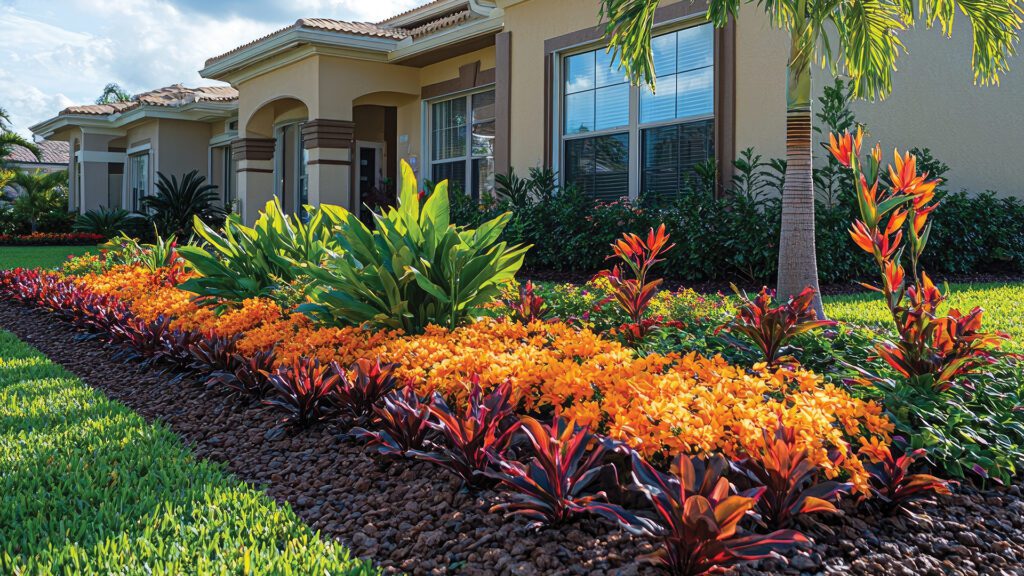
Lawn care in Florida is unlike anywhere else in the country. In Tarpon Springs and surrounding Gulf Coast communities, our sandy soils, high humidity, salt exposure, and extended growing season mean turfgrass never truly goes dormant. Instead, it cycles between periods of rapid growth and environmental stress. Understanding those cycles is the key to maintaining a healthy, resilient lawn year-round.
Most local lawns consist of St. Augustine, Zoysia, or Bahia grass, each with specific maintenance needs. St. Augustine thrives in coastal climates but is vulnerable to chinch bugs and fungal diseases during humid months. Zoysia offers density and durability but requires precise mowing heights. Bahia develops deep roots and handles drought well, making it a lower-input option for larger properties. Identifying your grass type is the first step in proper care.
Spring in Florida is the activation phase. Once soil temperatures consistently reach about 65 degrees, turf enters active growth. This is the time for a balanced, slow-release fertilizer application and early pre-emergent weed control to prevent crabgrass and other invasive species.
Mowing height matters — especially for St. Augustine, which should be maintained between 3.5 and 4 inches to encourage deeper root development and shade out weeds.
Summer presents the greatest challenges. Intense heat, heavy rainfall, and high humidity create ideal conditions for fungal outbreaks and pest activity. Overwatering is one of the most common mistakes homeowners make. Florida lawns typically require only ½ to ¾ inch of water per irrigation session, and watering should always occur before 10 a.m. to reduce evaporation and disease risk. Weekly inspection for irregular yellowing or thinning can help detect chinch bugs or brown patch fungus early, before significant damage occurs.
As temperatures moderate in fall, turf shifts energy into root strengthening. Potassium-rich fertilizer supports stress tolerance heading into winter, and aeration can relieve soil compaction caused by summer storms. Even during Florida’s mild winters, lawns should not be neglected.
Irrigation should be reduced, and excessive nitrogen applications avoided. A consistent, climate- aware strategy — rather than reactive treatment — is what keeps Florida lawns healthy in every season.
Any content, resident submissions, guest columns, advertisements, and advertorials are not necessarily endorsed by or represent the views of Best Version Media LLC (BVM) or any municipality, homeowners associations, businesses, or organizations that this publication serves. BVM is not responsible for the reliability, suitability, or timeliness of any content submitted, inclusive of materials generated or composed through artificial intelligence (AI). All content submitted is done so at the sole discretion of the submitting party.