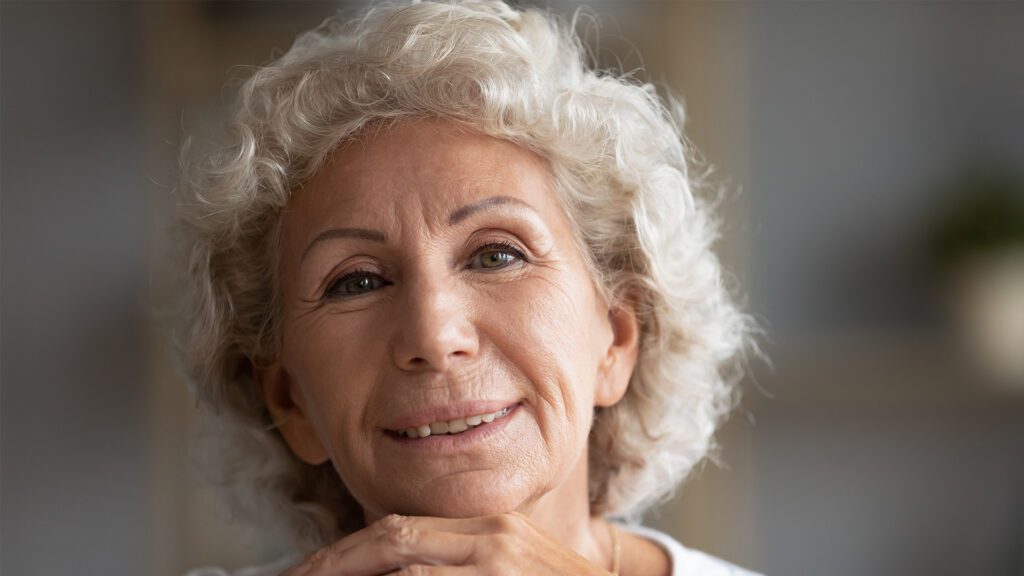
May is Mental Health Awareness Month, and while the topic often focuses on younger generations, mental health is just as important for older adults. In fact, many seniors face emotional challenges that are rarely talked about. As someone who works closely with older adults and their families, I have seen firsthand how important emotional well being is to overall health.
Aging brings many changes. Some are expected, while others can be difficult to navigate. Retirement, health concerns, or the loss of friends or a spouse can leave many older adults feeling isolated or overwhelmed. Even seniors who have strong families around them may struggle with loneliness during certain stages of life.
One of the most common issues we see among older adults is social isolation. As people age, their social circles become naturally smaller. Friends move or pass away, mobility may decline, and driving may no longer be an option. Something as simple as getting out of the house or having a meaningful conversation can become harder than it once was.
The truth is, mental health and physical health are closely connected. When seniors feel lonely or withdrawn, it can impact sleep, mood, appetite, and even memory. Studies have shown that social isolation can increase the risk of depression, anxiety, and cognitive decline. On the other hand, when seniors stay socially engaged, they often experience better overall health and a greater sense of purpose.
Families sometimes focus on physical safety when caring for an aging loved one, which is completely understandable. We want to make sure they are eating well, taking medications correctly, and staying safe in their home. However, emotional support is just as important. A short visit, phone call, or sitting down to share a meal can make a tremendous difference in someone’s day.
Companionship plays such an important role in supporting mental health. Many older adults simply want someone to talk with, maybe take a walk with, or just share everyday moments. Small gestures that seem simple to us can mean the world to someone who spends much of their time alone.
In-home caregiving services often provide more than just assistance with daily tasks. Caregivers often become trusted companions who bring conversation, laughter, and a sense of connection into the home. That human connection can help reduce feelings of isolation and give families peace of mind knowing their loved one has support.
Mental health deserves attention at every stage of life, including our later years. As a community, we can all play a role in supporting the emotional well-being of older adults. Checking in on a neighbor, inviting a parent to lunch, or simply spending time together can go a long way. Sometimes the most powerful thing we can offer someone is our presence.