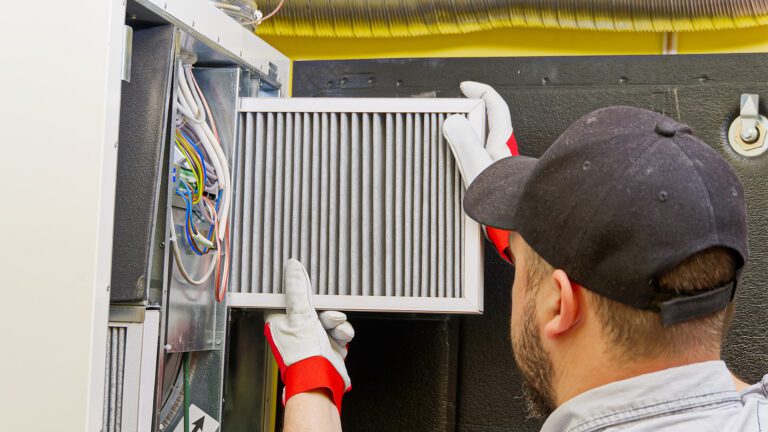
A homes Heating, Ventilation, and Air Conditioning (HVAC) system is its mechanical heart, responsible for maintaining comfort and safety. While many homeowners’ view maintenance as a reactive chore, a proactive approach to servicing these systems offers three critical benefits: financial savings, improved health, and system longevity.
The most immediate impact of regular maintenance is improved energy efficiency. Over time, dust buildup on coils and clogged filters force the system to work harder to achieve the same temperature. According to the U.S. Department of Energy, simply replacing a dirty filter can reduce a unit’s energy consumption by 5% to 15%. When the entire system is cleaned and calibrated, utility bills drop significantly, and the risk of expensive, emergency repairs is minimized. It is far more cost-effective to replace a worn fan belt during a scheduled visit than to repair a blown motor in the middle of a heatwave.
Beyond the balance sheet, HVAC maintenance is a matter of health and safety. The “V” in HVAC stands for ventilation, which is the primary defense against poor indoor air quality. Regular inspections ensure that ductwork is free of mold, allergens, and debris. Furthermore, for systems utilizing gas or oil, annual maintenance includes checking for carbon monoxide leaks and ensuring proper combustion. These checks prevent life-threatening hazards that are often undetectable to the naked eye.
Finally, consistent care drastically extends the lifespan of the equipment. An HVAC system is a significant capital investment, typically designed to last 15 to 20 years. Without maintenance, that lifespan can be cut in half. Routine lubrication of moving parts and electrical tightening prevent the “domino effect” where one small, failing component puts undue stress on the entire system, leading to premature total failure.
In conclusion, HVAC maintenance is not merely an optional expense but a necessary investment. By prioritizing routine check-ups, one ensures a cleaner environment, lower operational costs, and the peace of mind that the system will perform reliably when it is needed most.
Seasonal Tasks (Spring and Fall)
- Replace Air Filters: Check monthly and replace every 1–3 months to ensure airflow and efficiency.
- Clean Condenser and Evaporator Coils: Remove dirt and debris to prevent the system from overheating.
- Inspect Drain Lines and Pans: Clear obstructions to prevent water damage and humidity issues.
- Lubricate Moving Parts: Apply oil to motors and bearings to reduce friction and electrical consumption.
- Check Electrical Connections: Tighten bolts and inspect wires for signs of wear or corrosion.
System Controls and Safety
- Test Thermostat Calibration: Ensure the unit cycles on and off at the correct temperatures.
- Inspect Gas/Oil Connections: Check for leaks, proper pressure, and signs of soot or corrosion.
- Verify Heat Exchanger Integrity: Look for cracks that could lead to carbon monoxide leaks.
- Clear Outdoor Debris: Maintain a two-foot clearance around the outdoor unit for optimal airflow.
Annual Performance Check
- Monitor Refrigerant Levels: Ensure the system is not leaking or undercharged.
- Blower Component Adjustment: Clean and adjust blower motors to ensure proper airflow distribution.
Any content, resident submissions, guest columns, advertisements, and advertorials are not necessarily endorsed by or represent the views of Best Version Media LLC (BVM) or any municipality, homeowners associations, businesses, or organizations that this publication serves. BVM is not responsible for the reliability, suitability, or timeliness of any content submitted, inclusive of materials generated or composed through artificial intelligence (AI). All content submitted is done so at the sole discretion of the submitting party.