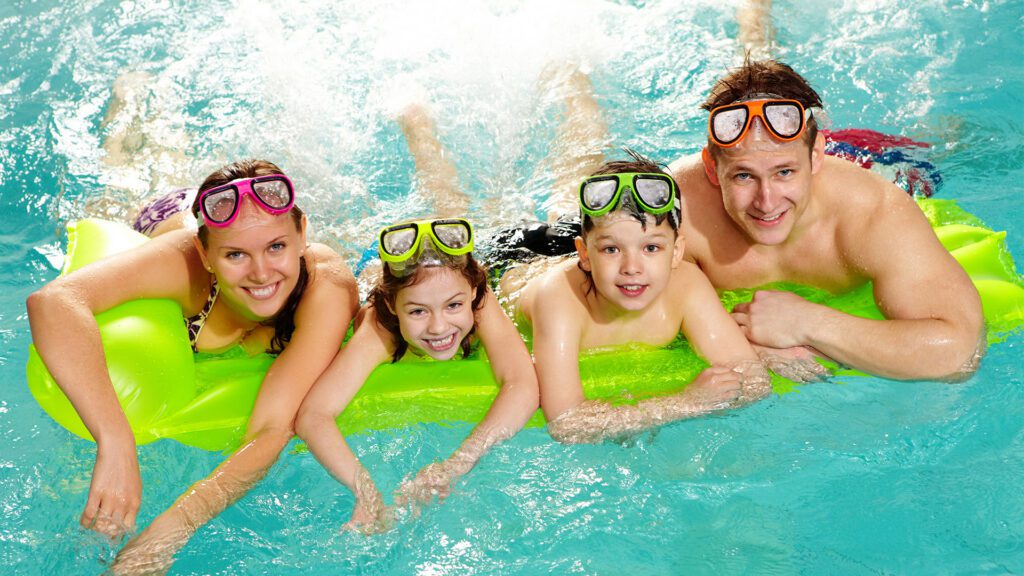
The combination of high fuel prices and an economic slowdown may keep Americans at or near home more than usual this summer. But water safety is a concern wherever you—and especially your children—venture this summer. Pools present dangers, particularly for young kids. Each year, some 3,500 deaths (about 10 per day) are cause by drowning, according to The Centers for Disease Control and Prevention (CDC). And another 4,000 people are treated at hospital emergency visits total for injuries and trauma related to pool accidents.
The Consumer Product Safety Commission (CPSC) notes that drowning is the second-leading cause of injury death for children ages one to 14. Each year, 283 children under age five die in America’s pools and spas, a statistic that has worsened since the turn of the century. Most deaths and injuries related to pools occur on residential properties. Most involve children ages one to two, according to the commission.
Here are the problems that lead to children drowning in pools:
Unprotected pools. Pools must be treated as attractive nuisances, meaning children will want to get to them to play. One risk: Pools with a three-sided fence where the home forms the fourth side of the barrier. That simply means children can gain access to the water through a door rather than over a fence. Other problems include frost heaving that opens a gap in a fence gate, and wooden fences that rot and break.
“Little children are fiendishly clever and they can get away,” pointed out Dr. Jonathan Midgett of the CPSC. “For those brief moments when children elude us, we need layers of protection around our pools. The more obstacles between your child and the pool, the better! Fences need to isolate the pool from the house; have well-maintained self-closing, self-latching gates; and [have] back-up layers of protection, like sensors and alarms.”
Faulty equipment. Suction outlets in pools and whirlpools are a hazard to catch hair and fingers. Anti-entrapment drain covers must be secured in place.
No rules for the pool. Parents may rely on a neighbor, friend or caregiver/babysitter when children are in a pool this summer. Children must be made to understand that, whoever the authority figure is, they must respect that person’s directions. Make safety rules for the pool clear before anyone sets foot inside the pool area.
Poor supervision. Doctors put it bluntly. “Never leave your children alone in or near the pool, even for a moment,” advises the American Academy of Pediatrics.
Swim lessons. Learning to swim is not just recreational, but a way to teach children how to save themselves, noted the CDC. Yet even strong swimmers must be supervised, no matter what age.
Any homeowner who has a pool—whether in-ground, above ground, or inflatable/temporary— should have liability insurance coverage, including umbrella liability coverage.
Reprinted with permission from Trusted Choice®
Any content, resident submissions, guest columns, advertisements, and advertorials are not necessarily endorsed by or represent the views of Best Version Media LLC (BVM) or any municipality, homeowners associations, businesses, or organizations that this publication serves. BVM is not responsible for the reliability, suitability, or timeliness of any content submitted, inclusive of materials generated or composed through artificial intelligence (AI). All content submitted is done so at the sole discretion of the submitting party.