Many parents pay close attention to their child’s teeth, speech, and breathing—but few realize that the way the tongue, lips, and facial muscles function plays a huge role in a child’s oral health and development. This is where myofunctional therapy comes in.
Myofunctional therapy is a specialized program of exercises that trains the muscles of the tongue, lips, cheeks, and face to work properly. These muscles influence important functions like breathing, swallowing, chewing, and speaking. When these patterns are off, children can develop habits or conditions that may affect their dental health, facial development, sleep, and even behavior.
Through guided exercises and habit training, therapy helps children learn how to:
- Rest their tongue in the correct position
- Breathe through the nose instead of the mouth
- Swallow properly
- Strengthen the muscles that support healthy oral development
Think of it as physical therapy for the muscles of the mouth and face.
Why Is Proper Oral Function Important?
The tongue is actually one of the strongest muscles in the body relative to its size. When it rests in the wrong place (such as pushing against the teeth or sitting low in the mouth) it can affect how the jaws and teeth grow.
Over time, improper muscle patterns can contribute to issues like:
- Crooked teeth or orthodontic relapse
- Mouth breathing
- Speech difficulties
- Thumb sucking or pacifier habits
- Tongue thrust swallowing
- Sleep problems
- Narrow dental arches or crowding
Because children’s faces and jaws are still developing, early intervention can make a significant difference.
Signs Your Child Might Benefit from Myofunctional Therapy
Many parents are surprised to learn that everyday behaviors can be signs of an underlying oral muscle imbalance. Some common symptoms include:
- Frequent mouth breathing
- Snoring or restless sleep
- Thumb sucking or prolonged pacifier use
- Difficulty keeping the lips closed at rest
- Tongue thrust when swallowing
- Speech issues such as a lisp
- Crowded teeth or orthodontic concerns
- Dark circles under the eyes or daytime fatigue
- Trouble chewing or messy eating
If any of these sound familiar, it may be worth having your child evaluated.
How Myofunctional Therapy Helps Children
The goal of therapy is to help children develop healthy muscle patterns that support proper growth and function.
Benefits may include:
- Improved nasal breathing
- Better sleep quality
- Improved speech clarity
- Stronger oral muscles
- Reduced harmful oral habits
- Support for orthodontic treatment
- Support for healthy facial development
Many parents also notice improvements in focus, energy levels, and overall well-being once children begin breathing and sleeping better.
What Does Therapy Look Like?
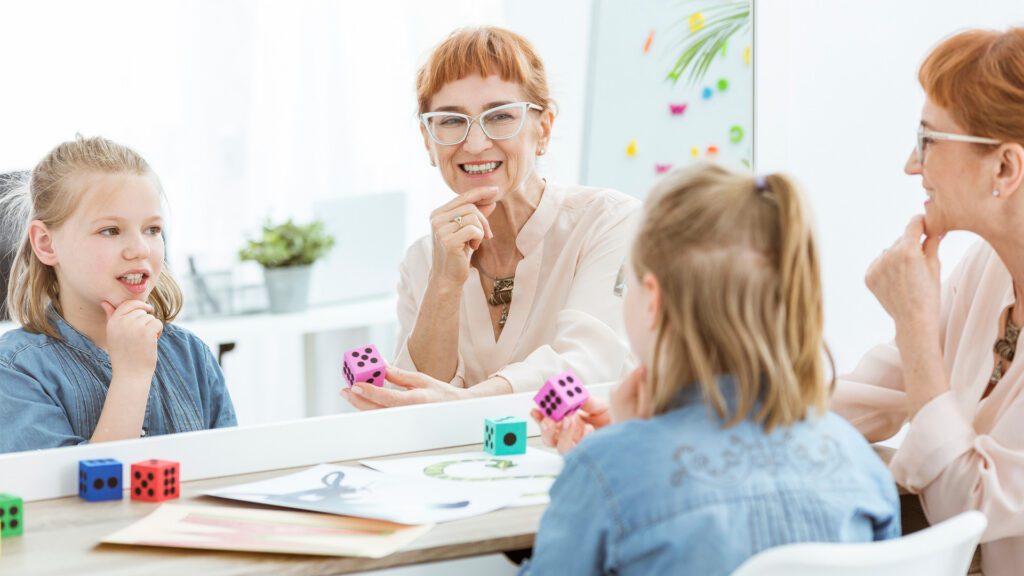
Myofunctional therapy is typically fun, engaging, and interactive for kids. Sessions involve learning targeted exercises that strengthen and retrain the muscles of the tongue, lips, and cheeks.
Children practice these exercises both in sessions and at home, allowing them to build new, healthy habits over time. Just like learning a sport or musical instrument, consistency and practice are key.
About the Author
My name is Ariana Grieco, I’m a myofunctional therapist at Island Children Dentistry, where I work with children to improve oral function through personalized therapy programs. My goal is to help families understand how small muscle habits can have a big impact on a child’s health and development.
If any of the symptoms mentioned above ring a bell, we encourage you to call our office to schedule an evaluation. Early support can make a meaningful difference in your child’s breathing, sleep, and smile.
Any content, resident submissions, guest columns, advertisements, and advertorials are not necessarily endorsed by or represent the views of Best Version Media LLC (BVM) or any municipality, homeowners associations, businesses, or organizations that this publication serves. BVM is not responsible for the reliability, suitability, or timeliness of any content submitted, inclusive of materials generated or composed through artificial intelligence (AI). All content submitted is done so at the sole discretion of the submitting party.