Every year, the first real heat wave hits Knoxville and HVAC companies see the same pattern: phones ringing nonstop and families wondering why their air conditioner suddenly stopped working.
Most early-season breakdowns happen for predictable reasons — and nearly all of them are preventable.
- Months of Sitting Idle
From fall through early spring, most cooling systems sit unused. During that time:
- Dust collects on internal components
- Electrical connections loosen
- Drain lines dry out and clog
- Outdoor units fill with leaves and debris
When temperatures suddenly jump into the upper 80s or 90s, systems go from zero usage to running for hours at a time. Parts that were already weak often fail under that sudden strain.
Prevention: Schedule a professional tune-up in early spring before hot weather arrives.
- Weak Capacitors Give Out
One of the most common first-heat-wave failures is a bad capacitor. This small electrical component helps start the compressor and fan motors. Over time, capacitors weaken — especially after exposure to cold winter temperatures.
When the system tries to start under heavy demand, a weak capacitor can’t deliver enough power. The outdoor unit may hum, click, or not start at all.
Prevention: Annual maintenance includes testing capacitors and replacing marginal ones before they fail.
- Dirty Outdoor Coils
Your outdoor unit releases heat pulled from inside your home. If the condenser coil is coated in dirt, grass clippings, cottonwood, or pet hair, it can’t release heat efficiently.
During mild weather, the system may still cool adequately. But in a heat wave, pressures rise quickly. That extra strain can trip breakers or overheat the compressor.
Prevention: Turn off power and gently rinse the outdoor unit with a garden hose each spring. Keep at least two feet of clearance around it.
- Clogged Drain Lines
Air conditioners remove humidity as they cool. That moisture drains away through a condensate line. After months of inactivity, algae and debris can clog the line.
Many systems have safety switches that shut the unit off if water backs up — preventing damage but leaving homeowners without cooling.
Prevention: Have the drain line flushed annually and consider periodic cleaning during summer.
- Airflow Problems
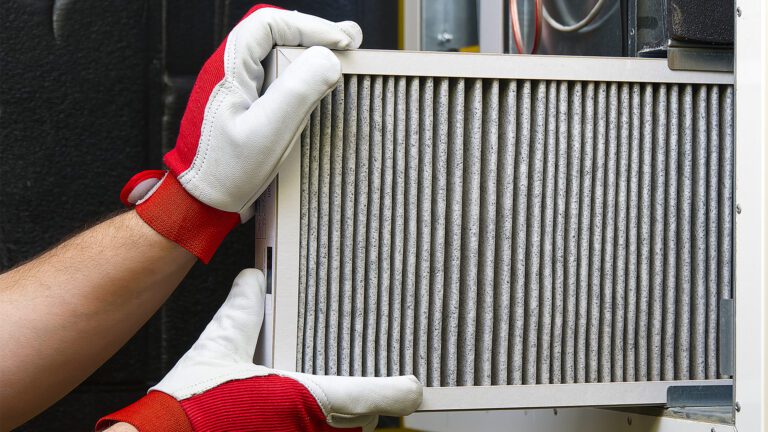
Dirty air filters, blocked vents, or obstructed return grilles restrict airflow. When airflow drops, the system can freeze up or overheat once temperatures spike.
Prevention: Replace filters every 1–3 months during cooling season and ensure vents and returns are unobstructed.
Why It Happens All at Once
When the first heat wave arrives, every system in town turns on at the same time. Electrical demand increases, run times get longer, and small weaknesses quickly become major failures.
The good news? Most early-season breakdowns are avoidable. A spring maintenance visit is far less expensive — and far less stressful — than waiting days for service during peak summer demand.
When the heat arrives, the homes that stay comfortable won’t be the lucky ones. They’ll be the prepared ones.
Any content, resident submissions, guest columns, advertisements, and advertorials are not necessarily endorsed by or represent the views of Best Version Media LLC (BVM) or any municipality, homeowners associations, businesses, or organizations that this publication serves. BVM is not responsible for the reliability, suitability, or timeliness of any content submitted, inclusive of materials generated or composed through artificial intelligence (AI). All content submitted is done so at the sole discretion of the submitting party.