In today’s fast-paced, screen-heavy world, creative education plays a more important role than ever. This is true not only in the development of children and teens, but also has significant cognitive, emotional, and physical health benefits for people of all ages. These include: reduced stress, enhanced memory, improved mood, and increased social connection. Music and art are not merely extracurricular activities. Rather they are essential tools that help us build confidence, focus, and emotional awareness. We become connected to our humanity and our relationship to the world around us. And, while of this is true, we must never lose sight of the joy and satisfaction that the arts bring to our lives, communicating in a unique way that words cannot sufficiently describe.
- Brain Development
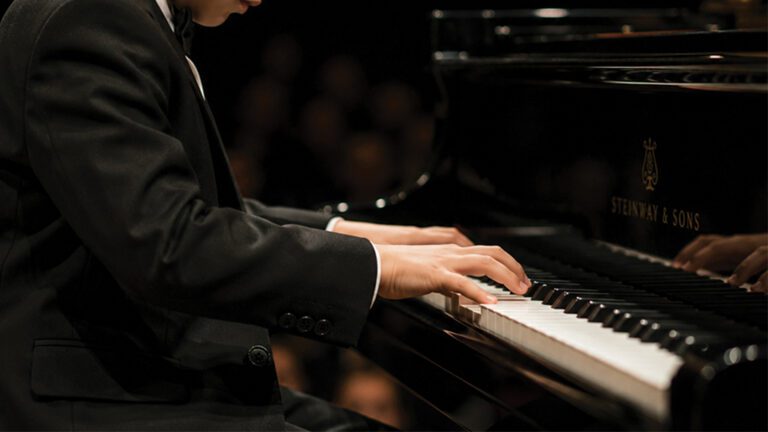
- MRI studies show that learning an instrument helps children manage anxiety, focus attention, and regulate emotions.
- The degree of brain adaptation correlates with the intensity and duration of musical practice
- Academic Skills
- Understanding concepts of beat, rhythm, and scales helps children grasp mathematical concepts like fractions and pattern recognition.
- A study of children aged 11–16 found that learning an instrument was associated with statistically significant improvements in both mathematics and English attainment.
- Musical training has even been shown to predict academic performance and IQ in young adulthood, independent of family income and parents’ education.
- Cognitive Benefits
- Musical training improves verbal memory, reading ability, and executive functions such as attention, working memory, and cognitive flexibility.
- Learning to play an instrument triggers multiple areas of the brain simultaneously, increasing attention spans and memory capabilities.
- Children who learn music develop stronger listening and detail-oriented skills, which transfer directly to reading and comprehension.
One of the most overlooked aspects of arts education is the power of individualized learning. Every student learns differently. Some thrive with structure, while others grow through exploration and creativity. A personalized approach allows instructors to meet students where they are, helping them progress at their own pace while staying engaged and motivated.
Beyond technical skills, music and art teach discipline and resilience. Learning a song or completing a piece of artwork requires patience, problem-solving, and the ability to work through challenges. These are skills that translate directly into academic success and everyday life.
A common misconception is that arts education is only for naturally “talented” individuals. In reality, creativity is a skill that can be developed over time with the right guidance and encouragement. With consistent support, any student can grow into a confident and capable creator.
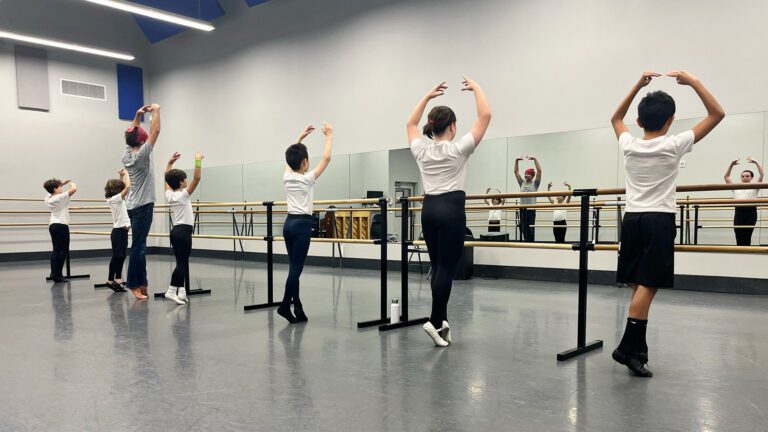
There is also a sense of community that comes from participating in the arts. Performances, recitals, and shared creative experiences bring families together and contribute to the cultural fabric of Morristown. These moments help people feel connected not just to their craft, but to the community around them.
As Morristown continues to grow, access to strong music and art education will remain an important part of helping people of all ages build confidence, creativity, and a lifelong appreciation for the arts.
Any content, resident submissions, guest columns, advertisements, and advertorials are not necessarily endorsed by or represent the views of Best Version Media LLC (BVM) or any municipality, homeowners associations, businesses, or organizations that this publication serves. BVM is not responsible for the reliability, suitability, or timeliness of any content submitted, inclusive of materials generated or composed through artificial intelligence (AI). All content submitted is done so at the sole discretion of the submitting party.