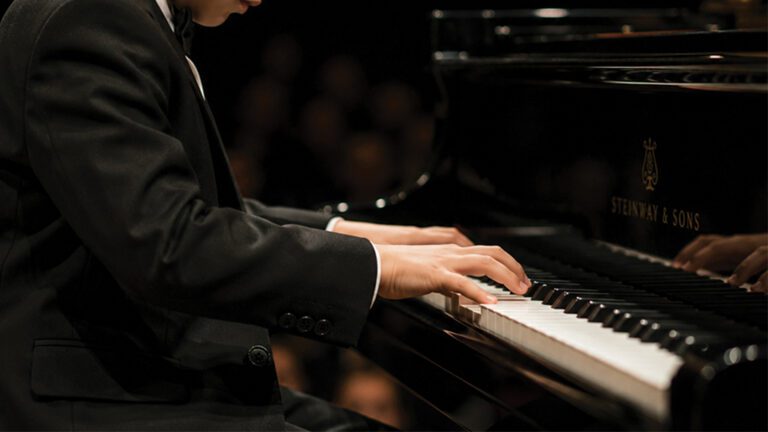
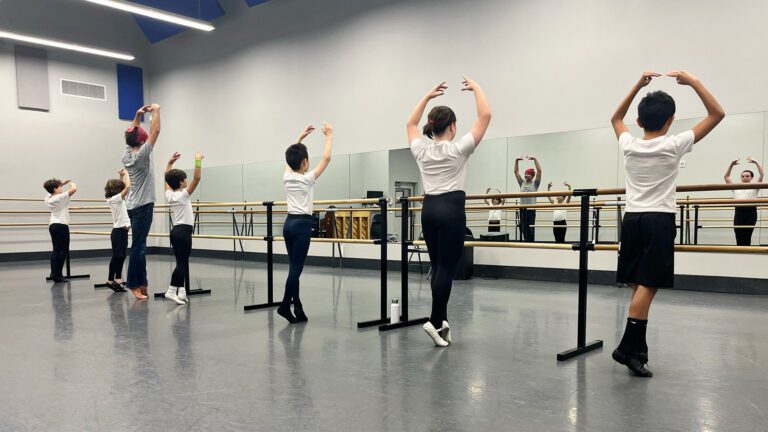
Youth sports remain one of the most positive forces in a child’s life. They build confidence, friendships, and discipline, and families are deeply committed to helping their children stay active and succeed. What has changed over time, however, is the intensity of that commitment. Children today are training harder, specializing earlier, and spending more time in organized athletics than ever before. While the intention is positive, this shift has led to more overuse injuries.
One of the most important lessons I share with families is that children are not simply small adults. Their bones are still growing, and that growth creates areas of vulnerability that behave differently from the mature skeleton. At the ends of bones are growth plates, regions of developing cartilage that allow bones to lengthen. These areas are often the weakest link in a young athlete’s body and respond differently than in adults.
Because of this, repetitive motion can lead to distinct injury patterns. In the shoulder and elbow, we commonly see stress injuries in adolescents involved in throwing or overhead sports. Younger athletes, particularly gymnasts, may develop wrist pain from repeated weight-bearing. These are not simple strains, but conditions directly related to growth.
In the lower body, knee pain is especially common during growth spurts. Osgood-Schlatter disease is frequently seen in active adolescents. Heel pain from Sever’s disease is another common example. Both are driven by the interaction of growth and repetitive stress and are typically managed without surgery.
We also evaluate lower back stress injuries, such as spondylolysis, as well as hip and pelvic conditions where strong muscles pull on developing bone. Across all of these, the unifying theme is a growing body being asked to do more than it is ready to handle.
There is also a quieter side to overuse. Not every child presents with obvious pain. Sometimes it is a gradual decline in performance, a reluctance to participate, or a subtle loss of enthusiasm. These are often early signs that the body needs recovery.
This is where pediatric orthopedic care becomes distinct. Pediatric orthopedic surgeons complete additional fellowship training focused specifically on the growing musculoskeletal system. That perspective, combined with experience, allows for a more precise understanding of how growth plates influence injury, healing, and safe return to activity. The goal is not simply to treat the current issue, but to protect future development and long-term function.
For parents, the takeaway is straightforward. Pain that persists, limits activity, or does not follow an expected course deserves evaluation. In most cases, treatment is non-surgical and focused on restoring balance between training and recovery.
Youth sports should remain a positive experience. With balance, proper guidance, and an understanding of the demands on a growing body, most young athletes can continue to develop safely, perform at a high level, and enjoy the sports they love.
Any content, resident submissions, guest columns, advertisements, and advertorials are not necessarily endorsed by or represent the views of Best Version Media LLC (BVM) or any municipality, homeowners associations, businesses, or organizations that this publication serves. BVM is not responsible for the reliability, suitability, or timeliness of any content submitted, inclusive of materials generated or composed through artificial intelligence (AI). All content submitted is done so at the sole discretion of the submitting party.