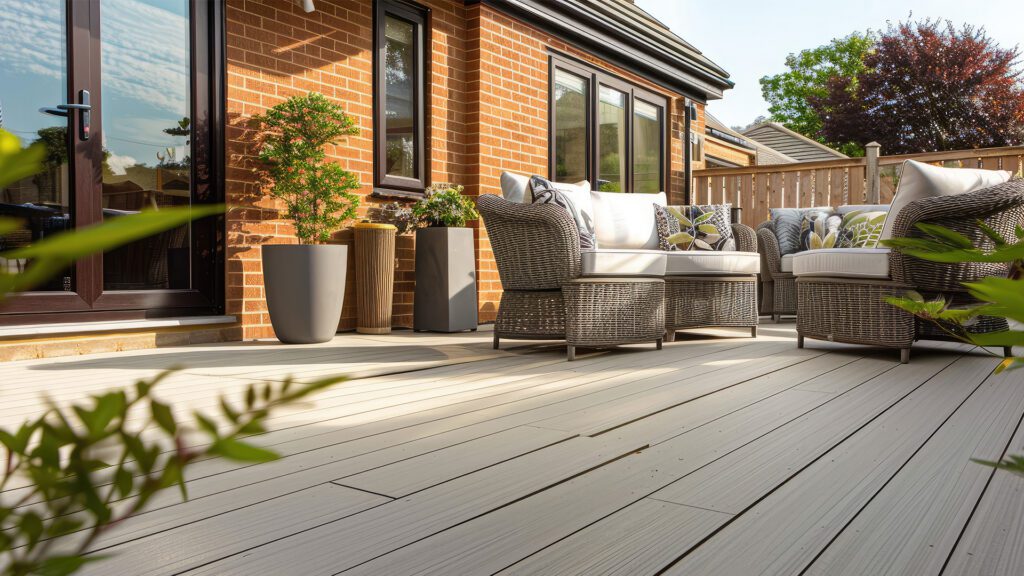
By the time June rolls around in Southwest Virginia, your deck is no longer in “waiting mode”; it’s in full use. Cookouts, graduation parties, evening sunsets with friends, your deck becomes one of the most used spaces of your home.
And that’s exactly why this is the time to ask a simple question: Is it actually safe?
Most homeowners assume they’d notice a problem. But deck issues don’t usually start where you can see them. According to the International Association of Certified Home Inspectors, thousands of injuries happen each year due to deck failures—and many occur during normal, everyday use.
The good news? You don’t need tools or a contractor to take the first step. In about 20 minutes, you can walk your deck and spot the most common warning signs.
The 10-Point Deck Safety Check
- Ledger Board Connection
Check where the deck attaches to your home. Look for bolts or lag screws (not just nails) and proper flashing to prevent water damage. - Post Bases
Ensure support posts are secured with metal brackets and not sitting directly on soil or concrete, which can lead to rot. - Joists & Framing
Look underneath for cracks, rot, or discoloration. Joists should be supported with metal hangers—not just nailed in place. - Railing Stability
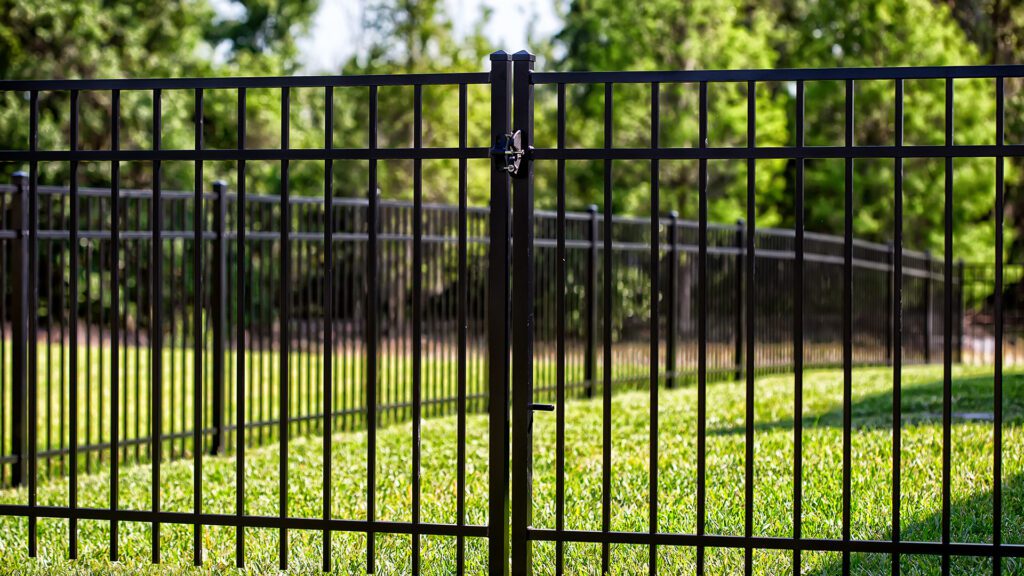
Push on railings to confirm they’re secure. Movement or wobbling is a safety concern, especially during gatherings. - Baluster Spacing
Gaps between vertical balusters should be less than 4 inches to help protect children and pets. - Stair Condition
Walk the stairs slowly. Check for loose steps, cracked stringers, and ensure a sturdy handrail is present. - Fasteners & Hardware
Look for rusted screws, popped nails, or loose hardware—these can weaken the deck over time. - Deck Surface Boards
Watch for soft spots, splintering, or spongy areas underfoot, which often indicate hidden moisture damage. - Cracks & Structural Splits
Small surface cracks are normal, but long or deep splits—especially in posts or beams—are structural concerns. - Your Gut Check
If something feels off—a shaky railing, a soft spot, or an area you avoid—trust that instinct.
Here’s the key: finding one issue doesn’t mean your deck is failing. But finding several? That’s a pattern, and patterns are worth paying attention to.
In our region, where humidity, shade, and freeze-thaw cycles take a toll, most pressure-treated decks last around 12–18 years. If your deck is approaching that age, hasn’t been checked in a while, then it’s smart to take a closer look.
A professional inspection can help you determine whether your deck needs simple repairs, resurfacing, or something more. Reach out to ReDeck Virginia and start with a straightforward safety check to give homeowners clear and honest guidance.
Any content, resident submissions, guest columns, advertisements, and advertorials are not necessarily endorsed by or represent the views of Best Version Media LLC (BVM) or any municipality, homeowners associations, businesses, or organizations that this publication serves. BVM is not responsible for the reliability, suitability, or timeliness of any content submitted, inclusive of materials generated or composed through artificial intelligence (AI). All content submitted is done so at the sole discretion of the submitting party.