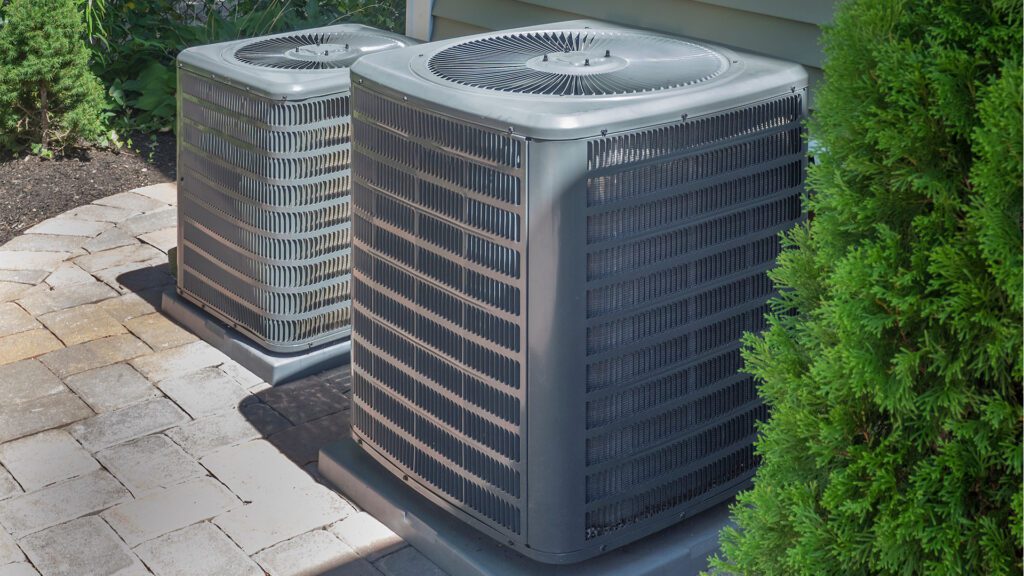
Every spring, I have the same conversations with homeowners across Georgetown. The temperatures are climbing, the humidity is creeping in, and suddenly everyone is thinking about their air conditioner — usually for the first time since October. After years of serving families in this community, I’ve noticed a handful of misconceptions that come up again and again. Getting these straight before the heat arrives can save you real money and a very uncomfortable week waiting on a repair.
“If it’s blowing cold air, it’s fine.”
A system can cool your home and still be operating at 60% efficiency — working twice as hard, consuming significantly more energy, and quietly building toward a breakdown on the hottest day of July. A system that’s low on refrigerant, has a dirty evaporator coil, or is moving air through a clogged filter will still feel cold. It just won’t last.
“I only need to change my filter once a year.”
In Texas, where systems run hard eight or nine months out of the year, most homes should be changing standard 1-inch filters every 30 to 60 days. A clogged filter restricts airflow, strains the blower motor, and can cause the coil to freeze — which, counterintuitively, means warm air coming from your vents.
“A bigger system means better cooling.”
Oversized equipment is one of the most common issues I see in newer installs. A unit that’s too large for the space will short-cycle — turning on and off rapidly — which prevents it from properly dehumidifying the air. In Georgetown’s climate, humidity control is just as important as temperature. That sticky, clammy feeling, even when the thermostat reads 74°? It’s often an oversized system.
“Spring tune-ups are just a sales tactic.”
A pre-season inspection catches small problems before they become expensive ones. Technicians check refrigerant levels, clean coils, test capacitors and contactors, and verify the system is operating within manufacturer specs. Capacitors and contactors are among the most common failure points in summer — and they’re inexpensive to replace proactively, not so much at 9pm on a 105-degree evening.
“My system is only 8 years old — it’s still new.”
In Central Texas, HVAC systems work harder and age faster than in most other parts of the country. An 8-to-10-year-old system running through Georgetown summers has already logged serious hours. If it hasn’t been maintained regularly, it may be closer to the end of its reliable life than you think. Knowing where your system stands now gives you options — rather than an emergency decision in August.
Summer in Central Texas is not forgiving. A little attention to your system now is the best investment you can make before the heat takes over.