I’m not sure exactly when it became a verb, but the term “adulting” has become increasingly more popular in recent years. Often central to conversations with recent graduates, it seems to cover what society has come to expect as school careers come to a close: getting a job, renting a first apartment, making meals, and other experiences that are sure to prompt (and sustain) the independent living experience for decades to come!
As we celebrate high school and college graduation milestones, it’s a good time to remember that “adulting” is not a one-size-fits-all deal for any person — autism or not. For some, it’s about settling down into a work role; others may hope to do that and raise a family as well.
For autistic and neurodivergent individuals, the transition to early adulthood can be especially unique. Here are some ideas that might help make it as smooth as possible:
- Clarify goals and set realistic expectations. If the new grad knows how to manage finances, prepare nutritious meals, and has secured a steady job, the prospect of independent living might seem reasonable. However, it may be helpful for some to live in the family home for a period of time following graduation to ensure that the skillset needed for “adulting” is strong and solid. Be honest about readiness for independence and help your autistic or neurodivergent young person set goals that are achievable.
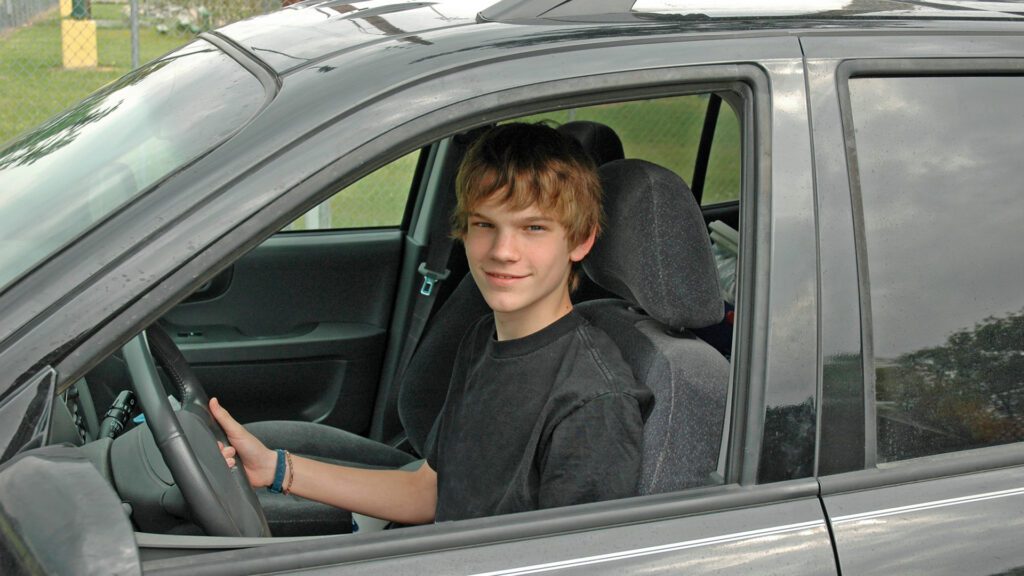
Andrew’s perspective: “It took several years to move on after getting that first college degree. I lived with my dad at that time, which allowed me to build career skills and bank savings. Eventually, I moved into a condo setting with a roommate — and after a year, I’m still figuring out what steps I need to take next.”
- Remember to prioritize mental health. For autistic and neurodivergent individuals, any transition can bring about feelings of anxiety; imagine what it must feel like to spend many years going to school and then suddenly, you’re done! No doubt this shift is especially overwhelming. Regular therapy sessions can offer a safe space for your loved one to explore the complex emotions of this new phase of life, along with social expectations, family dynamics, and nuanced communication at work. Having a counselor can really help promote overall well-being.
Andrew’s tip: I recommend mindfulness exercises, such as meditation. I use an app which even includes sleep music sessions. It helps me calm my mind down when the world is going fast.
- Establish routines. Developing a schedule with set times for meals, household chores, exercise, work, and other activities can bring comfort and peace to an autistic and neurodivergent young adult. Having structured days often helps reduce decision fatigue, too, leaving more energy for the experiences themselves!
Andrew’s tip: It is also okay to get into a habit of saying “no” occasionally if you feel overloaded. Responsibilities can get demanding, and maintaining friendships and family can have its challenges. It is not selfish to take time to recharge.
- Seek out sensory-safe environments. Remain mindful of ways to reduce sensory overload, just as you probably did throughout childhood years. Request accommodations in the workplace if needed to ensure that lighting is soft, noise levels are low, and the setup is as ideal as it can be.
Andrew’s tip: If you don’t feel an environment is sensory-safe, bring a calming “fidget” toy or ask to return during hours when it is quieter.
- Let go of “shoulds” and celebrate differences! Every person’s journey is unique, and for an autistic or neurodivergent individual, “adulting” might mean connecting with others virtually, more time living at home with parents and siblings, and fewer engagements on the calendar. This is not only acceptable, but worth celebrating if it means a healthy, meaningful, joyful life! Remember that there is no RIGHT way to approach this new chapter; carving a path that honors individuality is what makes for a happy journey ahead.
Congratulations to all who are embarking on the “adulting” chapter of their stories! And remember: Anderson Center Consulting and Training offers training designed to shed light on how to be more supportive of the autistic and neurodivergent individuals in your families, workplaces, and communities.
Reach out to learn more: ACCT@AndersonCares.org.
Any content, resident submissions, guest columns, advertisements, and advertorials are not necessarily endorsed by or represent the views of Best Version Media LLC (BVM) or any municipality, homeowners associations, businesses, or organizations that this publication serves. BVM is not responsible for the reliability, suitability, or timeliness of any content submitted, inclusive of materials generated or composed through artificial intelligence (AI). All content submitted is done so at the sole discretion of the submitting party.