When temperatures soar, your home appliances work overtime to keep your life running smoothly. From refrigerators struggling to stay cool to laundry rooms turning into humid saunas, the summer season places unique stress on your household machinery. By following these targeted maintenance tips, you can improve efficiency, prevent unexpected breakdowns, and keep your energy bills under control.
The Kitchen: Keeping it Cool and Efficient
The kitchen is often the warmest room in the house during summer. Strategic care can help keep it comfortable.
Refrigerator & Freezer:
- Clean Condenser Coils: Vacuum dust and debris from coils (located at the back or bottom front) every six months to help the unit expel heat more efficiently.
- Check Door Seals: Use the “dollar bill test “if a bill slides out easily when the door is closed, your seal is loose and letting cold air escape.
- Optimal Filling: Keep your unit about ¾ full to help maintain temperature, but avoid overpacking, which can block necessary air circulation.
- Ice Maker Maintenance: Replace water filters every six months (especially with high summer ice usage) to ensure clean water flow and optimal ice production.
Cooking & Ventilation:
- Use Small Appliances: To prevent heating your kitchen, use a microwave, air fryer, or slow cooker instead of a full-sized oven.
- Strategic Ventilation: Turn on your range hood before you start cooking to pull out heat and steam before it builds up in the room.
- Cook Outdoors: Use your grill to keep all cooking heat outside entirely.
Dishwasher Care:
- Run Off-Peak: Operate your dishwasher early in the morning or late at night to avoid peak energy rates and heat generation during the day.
- Skip the Heat: Disable the “heated dry” setting and let dishes air-dry to save energy and reduce ambient heat.
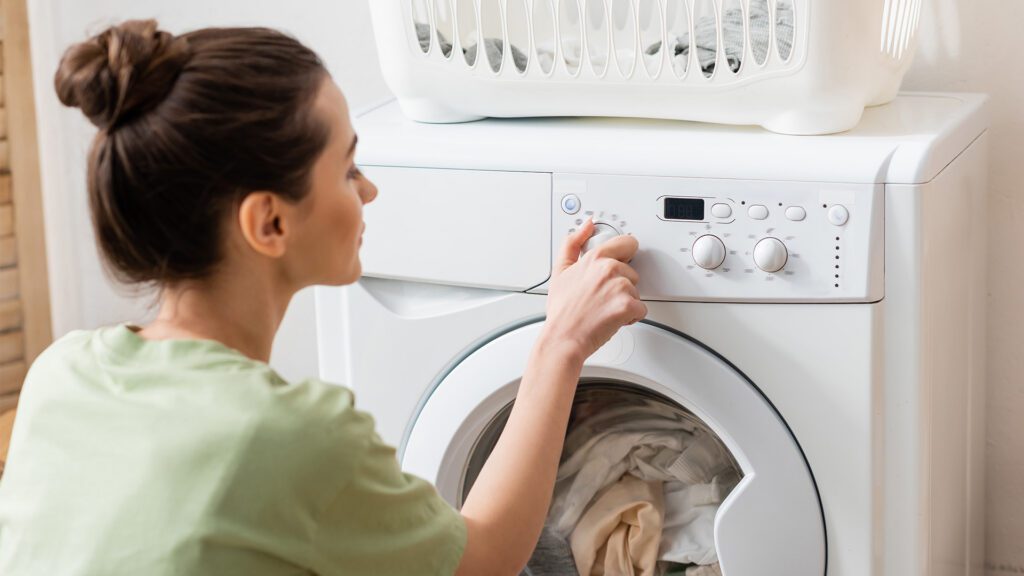
The Laundry Room: Managing Humidity and Heavy Loads
Summer means more outdoor activities and more frequent laundry cycles.
Washing Machine:
- Cold Water Cycles: Use cold water for most loads; modern detergents are highly effective in cold water, saving roughly 90% of the energy normally used for heating.
- Prevent Mildew: High humidity can cause odors. Leave the washer door propped open between uses to allow the drum to dry completely.
- Check Hoses: Inspect water supply hoses for cracks or leaks that could lead to water damage.
Dryer Efficiency:
- Clean the Lint Trap: Clean the filter after every load to maintain proper airflow and reduce fire hazards.
- Inspect Exterior Vents: Ensure the outdoor dryer vent flap is clear of lint and debris so hot air can be exhausted freely.
- Sensor Drying: Use moisture-sensor settings if available; they automatically shut off the machine when clothes are dry, preventing over-drying and unnecessary heat buildup.
A Quick Summer Maintenance Checklist
- Change Vacuum Fridge Coil every 6 months to prevent overheating and to save energy.
- Clean Dryer Lint Trap after every load to reduce fire risk and dry time.
- Replace Water Filter every 6 months to ensure clean ice and water flow.
- Run Appliances Off-Peak daily to lower electricity costs.
If you’re considering an upgrade this season, we can help you find the right Energy Star® certified models for maximum summer efficiency.