There is a moment many families don’t talk about openly—the one where love and responsibility collide, and the decision to place a loved one in memory care becomes real. I’ve walked alongside many families in this space, and I can tell you this: the emotional weight of that decision is often heavier than people expect.
Guilt is usually the first emotion to surface. I hear it often—Am I giving up? Could I have done more? What I gently remind families is that this decision is rarely about doing less. It is about recognizing when care needs have grown beyond what one person, or even one family, can safely provide. Dementia is progressive, and with that progression comes increasing complexity—medically, emotionally, and physically.
Grief also plays a quiet but constant role. Not just grief for what has been lost, but for the gradual changes still unfolding. This is what many refer to as “anticipatory grief,” and it can show up in unexpected ways—fatigue, irritability, even moments of relief followed quickly by sadness. All of it is valid.
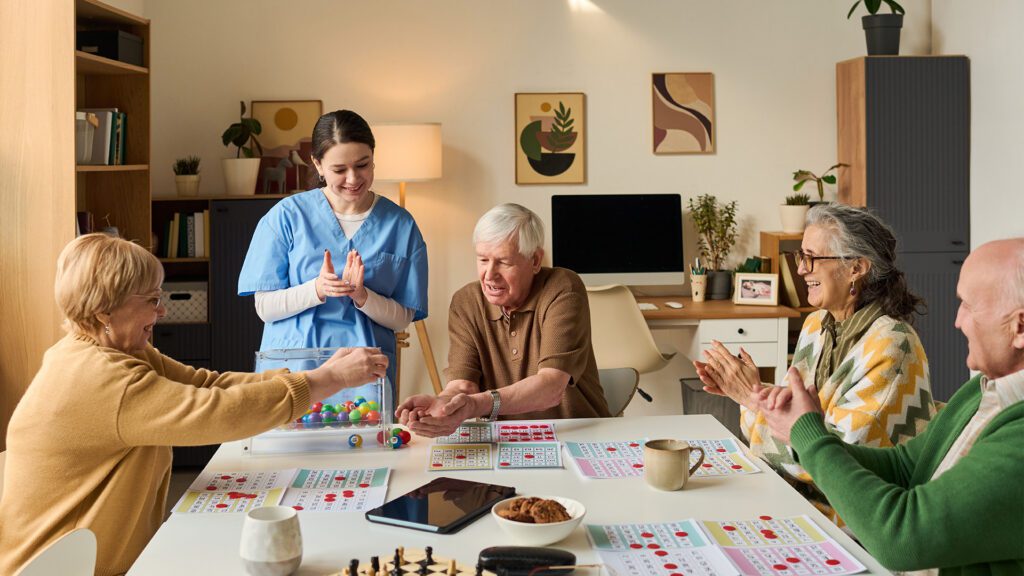
One of the most important shifts I encourage is reframing the transition. Memory care is not a replacement for family—it is an extension of it. In communities like Barton House, the goal is to create an environment where individuals are supported with consistency, structure, and understanding. This allows families to step out of the role of full-time caregiver and return to being present as a son, daughter, or spouse.
That shift matters more than people realize. When the daily stress of caregiving is lifted, visits often become more meaningful. There is more room for connection—through conversation, shared music, or simply sitting together in a calmer space.
If you are navigating this decision, I want you to know that conflicting emotions can exist at the same time. You can feel relief and sadness. You can feel uncertainty and still make the right choice.
From my experience at Barton House, the families who find peace in this transition are not the ones who avoid those emotions—but the ones who allow themselves to move through them, knowing that love is still at the center of it all.