
For decades, orthodontics was viewed primarily as a path toward a straight smile. However, the orthodontist’s role has expanded from aligning teeth to identifying and managing Sleep-Disordered Breathing (SDB). This umbrella term covers a spectrum of sleep problems ranging from snoring to Obstructive Sleep Apnea (OSA), affecting both children and adults.
What is the Connection between Jaw and Sleep?
The connection between your jaw and your sleep is structural. Sleep apnea occurs when soft tissues in the throat collapse during rest, blocking airflow. If the upper jaw is too narrow or the lower jaw sits too far back, there is insufficient room for the tongue. When muscles relax, the tongue falls into the throat, creating a physical obstruction.
Screening and Detection of “Red Flags”
Orthodontists are often the first line of defense because they are experts in growth and development. During a routine exam, they can screen for signs of breathing issues, including:
- A high, narrow palate can be a sign of a small nasal passage.
- A recessed bottom jaw pushes the tongue towards the throat and decreases airway space.
- Mouth breathing and tooth wear
- Behavioral cues: In children, poor sleep is often misdiagnosed as hyperactivity or poor academic performance.
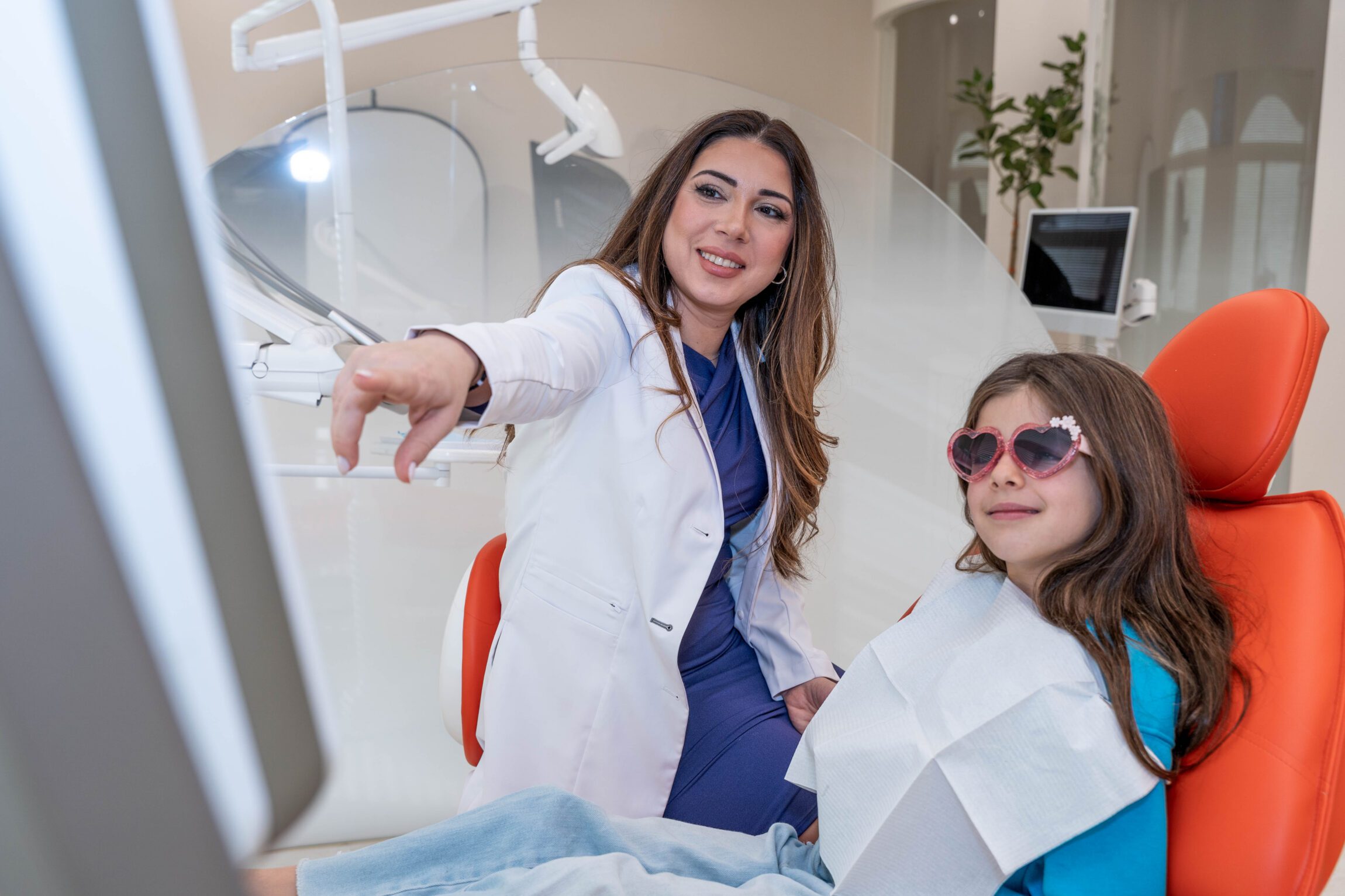
(Submitted by Airily Orthodontics)
The Interdisciplinary Sleep Team
Because sleep apnea is complex, successful management requires collaboration among different medical specialties to ensure comprehensive care. While a medical physician must provide the formal diagnosis via a sleep study, the orthodontist provides the structural solution. Some of the specialties consist of:
- The Orthodontist can employ palatal expansion in children and adults to widen the roof of the mouth. Because the palate is also the floor of the nose, this increases nasal volume, making nasal breathing easier. Oral appliances can also be used to move the bottom jaw forward opening the airway.
- ENTs and Surgeons are specialists that can address obstructions (such as large tonsils) or provide jaw surgery for severe jaw misalignment.
- Myofunctional Therapy: Once the roof of the mouth is widened, therapists improve tongue posture, nasal breathing, and lip seal.
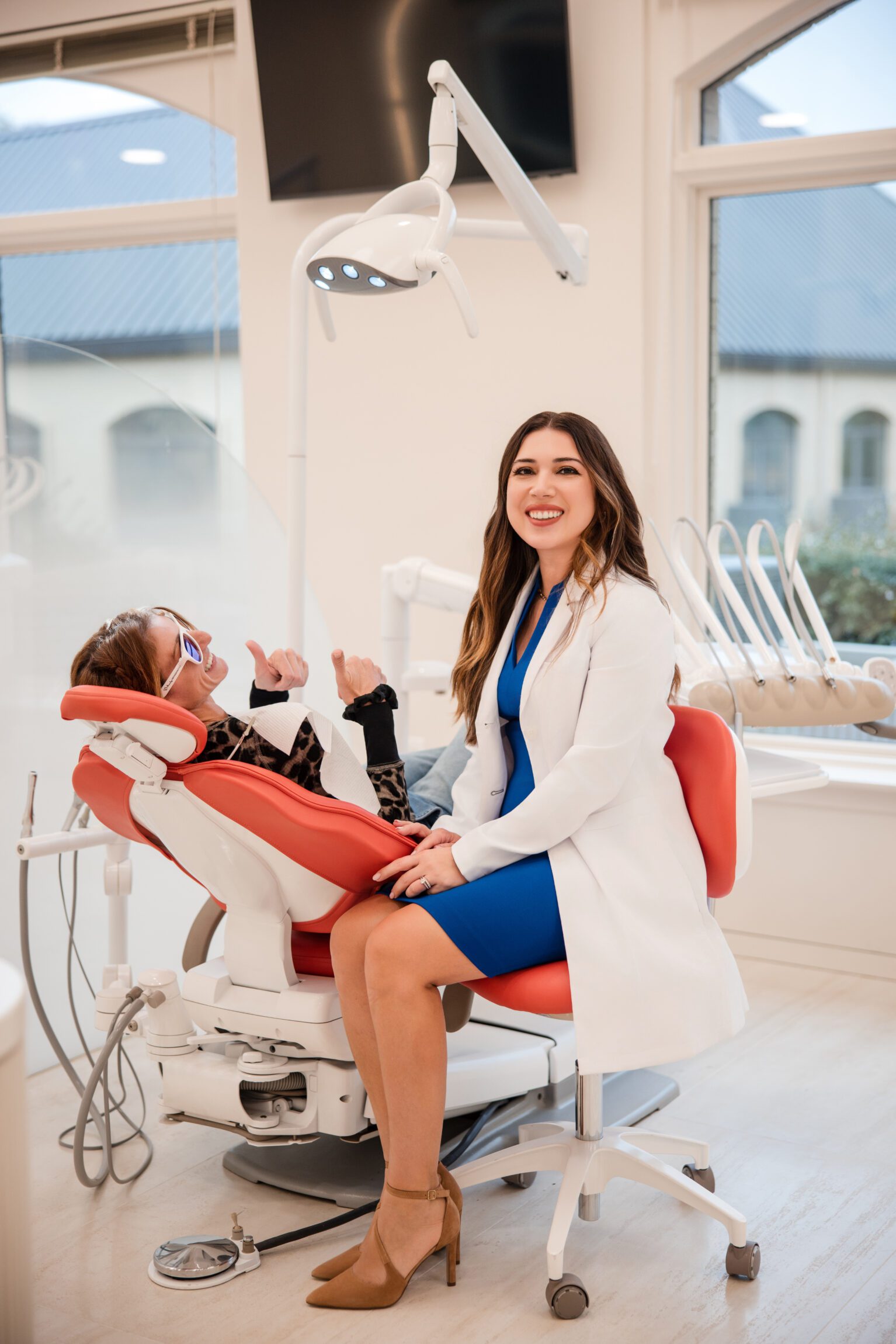
(Submitted by Airily Orthodontics)
In Summary
An orthodontist can play a critical role in identifying and management of Sleep-Disordered Breathing. By widening the upper jaw or repositioning a recessed chin, orthodontists along with the medical team can provide comprehensive solutions and prevent long term health complications. A visit to the orthodontist is no longer just about straight teeth; it is about the structural integrity of your breathing and your long-term health.
Any content, resident submissions, guest columns, advertisements, and advertorials are not necessarily endorsed by or represent the views of Best Version Media LLC (BVM) or any municipality, homeowners associations, businesses, or organizations that this publication serves. BVM is not responsible for the reliability, suitability, or timeliness of any content submitted, inclusive of materials generated or composed through artificial intelligence (AI). All content submitted is done so at the sole discretion of the submitting party.