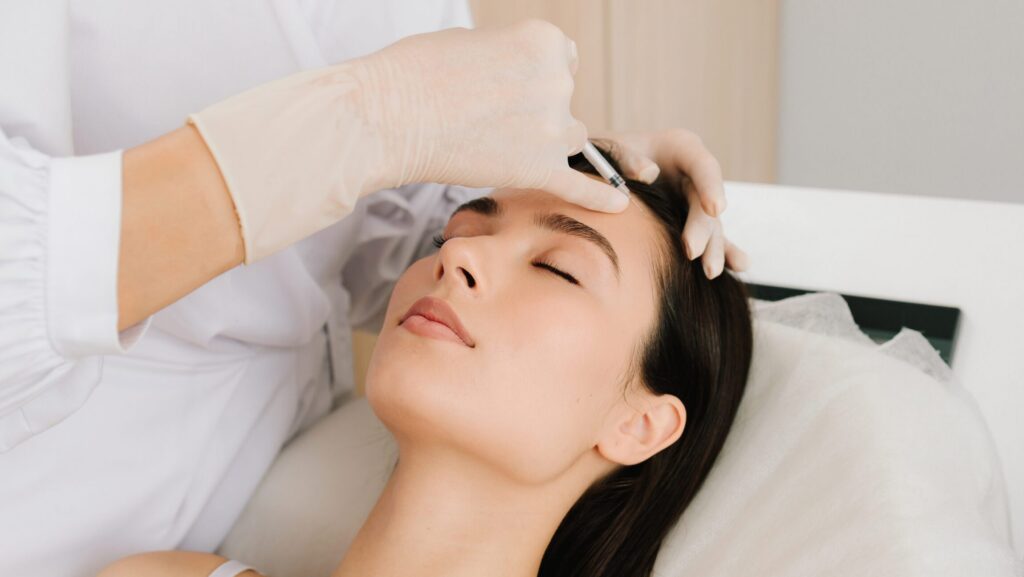
Botulinum toxin type A, commonly known as Botox, is often associated with cosmetic wrinkle reduction. While its aesthetic benefits are widely recognized, Botox is far more than a beauty treatment. Over the past several decades, it has become a versatile therapeutic and preventative tool used across multiple medical and aesthetic disciplines. Understanding Botox beyond wrinkles allows both providers and patients to appreciate its full impact on health, function, and quality of life.
How Does It Work?
Cosmetically, Botox works by temporarily relaxing targeted muscles, which softens the appearance of dynamic wrinkles caused by repetitive facial movement. However, this same mechanism of action is what makes Botox effective for a wide range of medical conditions.
What Are Therapeutic Indications?
One of the earliest FDA-approved therapeutic uses of Botox was for the treatment of strabismus (eye misalignment) and blepharospasm (involuntary eyelid twitching). Since then, its indications have expanded significantly. Botox is now commonly used to treat chronic migraines. By reducing muscle tension and inhibiting pain-signaling neurotransmitters, Botox can significantly decrease migraine frequency and severity. For many patients, this treatment is life-changing. Another impactful use of Botox is in the treatment of hyperhidrosis, or excessive sweating. When injected into areas such as the underarms, palms, or soles of the feet, Botox blocks the nerve signals that stimulate sweat glands. This can provide months of relief and dramatically improve a patient’s confidence and daily comfort. Similarly, Botox is used to manage muscle spasticity in conditions such as cerebral palsy, multiple sclerosis, and post-stroke muscle stiffness, helping improve mobility and function.
How Do We Use It In Our Practice?
In aesthetic medicine, Botox is also used preventatively and structurally rather than solely for wrinkle correction. Strategic placement can help rebalance facial muscles, improve facial symmetry, soften a heavy jawline, lift the brows, or reduce a gummy smile. Preventative Botox, when used conservatively, can slow the formation of deep lines by minimizing repetitive muscle contraction over time. This approach supports natural aging rather than altering facial expression.
Botox Beyond the Physical Benefits
Botox can have a profound emotional and psychological impact. Patients who experience relief from pain, muscle tension, or excessive sweating often report improved self-esteem, reduced anxiety, and enhanced quality of life. In this way, Botox serves as both a functional and therapeutic intervention.
My Personal Experience
Botox did not simply soften lines for me — it restored comfort, balance, and control. For someone who has dealt with migraines from an early age and jaw clenching for too many years to count, it reinforced my belief that when used with intention and anatomical expertise, Botox has the power to improve quality of life in ways that extend far beyond wrinkles.
Botox is not just a wrinkle treatment; it is an aesthetic tool with applications that extend far beyond cosmetic enhancement. From treating chronic medical conditions to supporting preventative aging and improving overall well-being, Botox continues to evolve as an integral part of modern medicine.
YOU Aesthetics is located at 4805 Main Street in Yorba Linda. To learn more or book a consultation, please visit www.YOUaesthetics.com or call 714.779.5700.