In Aurora, summer arrives and the whole rhythm of home life shifts. Back doors are used more often, gatherings move outside, and everyday living becomes more relaxed. Yet many spaces are not set up to support this shift, which is why outdoor areas often look good but go underused.
Designing for summer living is less about adding more and more about making a few intentional changes that improve how your home actually functions.
Align your indoor layout to the outdoors
One of the simplest but most overlooked changes is how your main floor is positioned in relation to your backyard or patio. If your seating faces away from the outdoor space, or pathways feel blocked, the connection immediately feels broken.
A small shift in furniture placement that opens up sightlines and movement toward the outdoors can completely change how the space feels. The easier it is to move between indoors and outdoors, the more connected the spaces feel and more often you use them.

Submitted photo
Create one clear purpose for your outdoor area
Many outdoor spaces try to do everything and end up doing very little. Instead of filling the space with multiple disconnected pieces, decide how you want to use it most.
If it is for dining, make that the focus. If it is for lounging, invest in comfortable seating that invites you to stay. One well-defined function will always feel better than a space that feels scattered.
Make comfort the priority, not just appearance
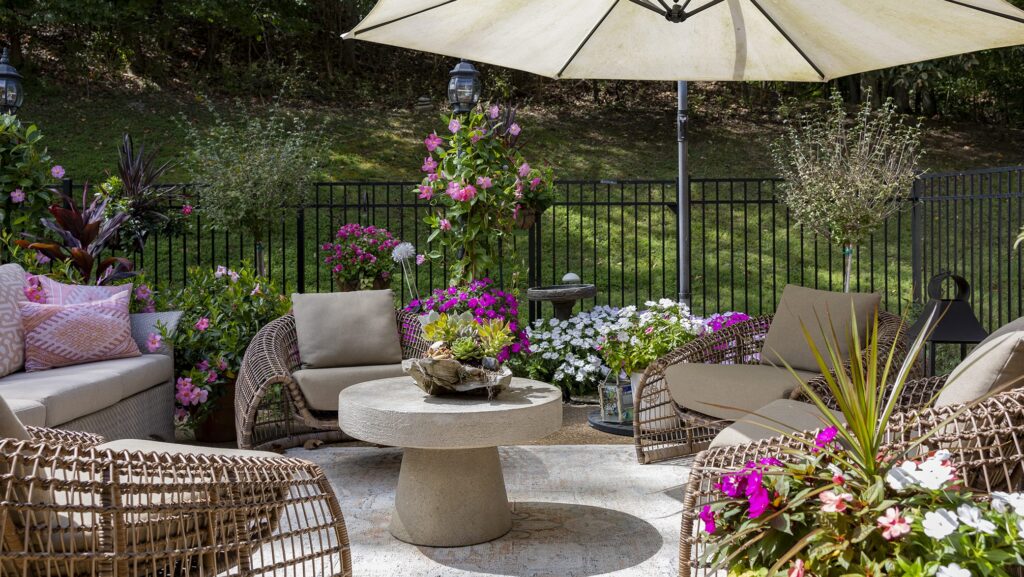
This is where most outdoor spaces fall short. Seating that looks good but is not comfortable rarely gets used. Adding proper cushions, shade, and flexible seating makes a noticeable difference in how long people stay and how relaxed the space feels.
Lighting also plays an important role. Simple additions like outdoor lamps, lanterns, or subtle string lighting can shift the atmosphere in the evening and make the space feel just as inviting after sunset.
Comfort is what turns an outdoor area into a space you actually live in.
Bring in elements that feel like summer
This is where your outdoor space starts to come alive! Choose performance fabrics that are designed for outdoor use, holding their colour through sun exposure and standing up to moisture. Layer in planters, fresh flowers, or greenery to introduce colour and softness.
These elements do not just add visual interest, they create a sense of ease and liveliness that makes the space feel inviting and seasonal without needing a complete overhaul.
Repeat elements to create connection
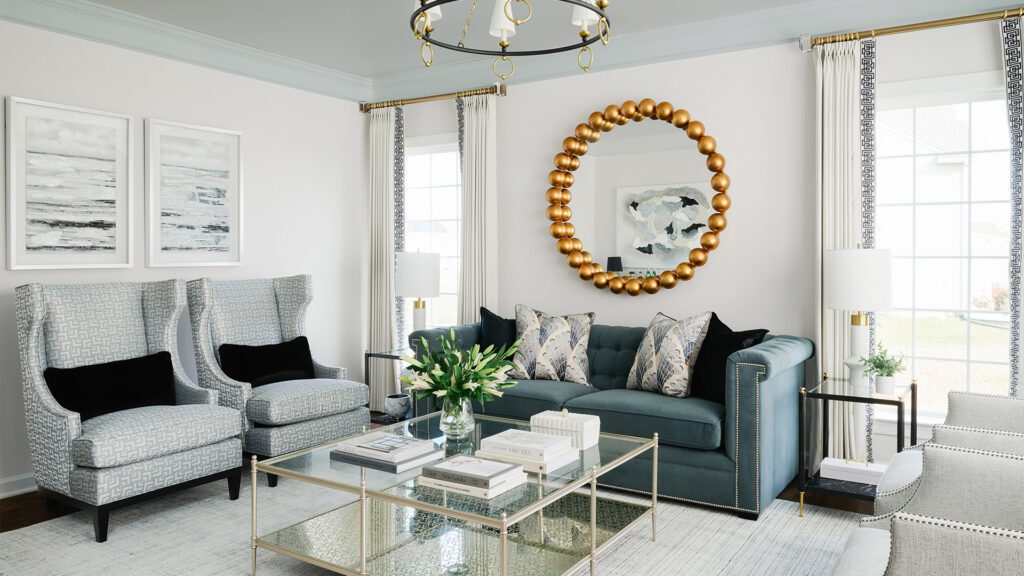
Indoor and outdoor spaces do not need to match, but they should relate to each other. This can be as simple as carrying similar tones and textures across both areas. When there is a visual connection, moving between spaces feels natural instead of disconnected.
Designing for summer is not about creating a picture-perfect patio. It is about making your home work better for how you live during this season. If you have been thinking about making some of these changes, this is a good time to start. When indoor and outdoor spaces feel connected, comfortable, and easy to move through, you naturally start to use your home differently. And that is where good design makes the biggest impact.
Any content, resident submissions, guest columns, advertisements, and advertorials are not necessarily endorsed by or represent the views of Best Version Media LLC (BVM) or any municipality, homeowners associations, businesses, or organizations that this publication serves. BVM is not responsible for the reliability, suitability, or timeliness of any content submitted, inclusive of materials generated or composed through artificial intelligence (AI). All content submitted is done so at the sole discretion of the submitting party.