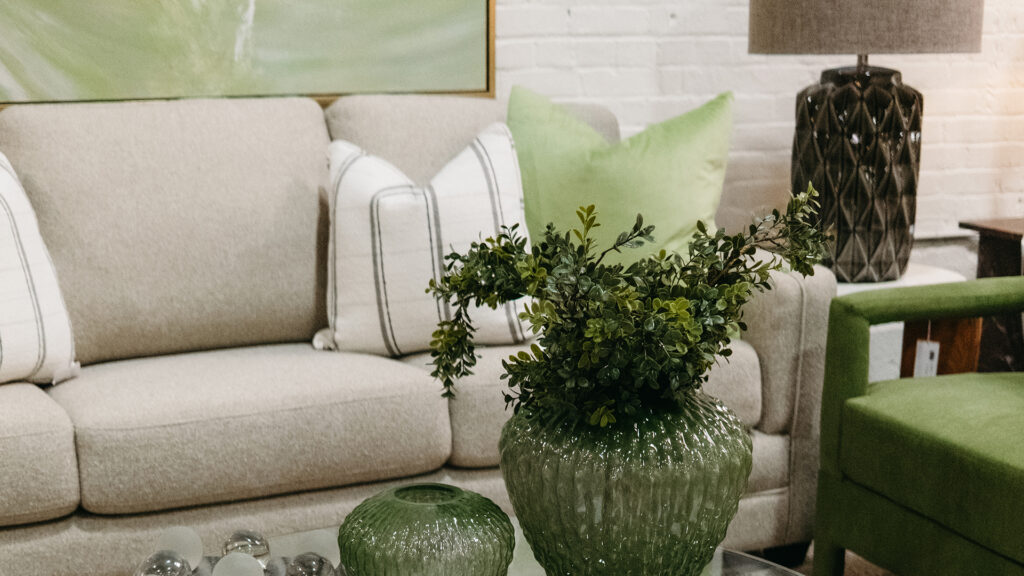
When it comes to designing a home, most people focus first on colors, finishes, and furniture. While those details matter, the foundation of a well-designed room is actually the layout. It’s what determines how a room feels to live in every day. Before selecting a single piece of furniture, we always begin by considering how the room will function: how people move through it, where natural focal points exist, and how the space should feel when someone enters.
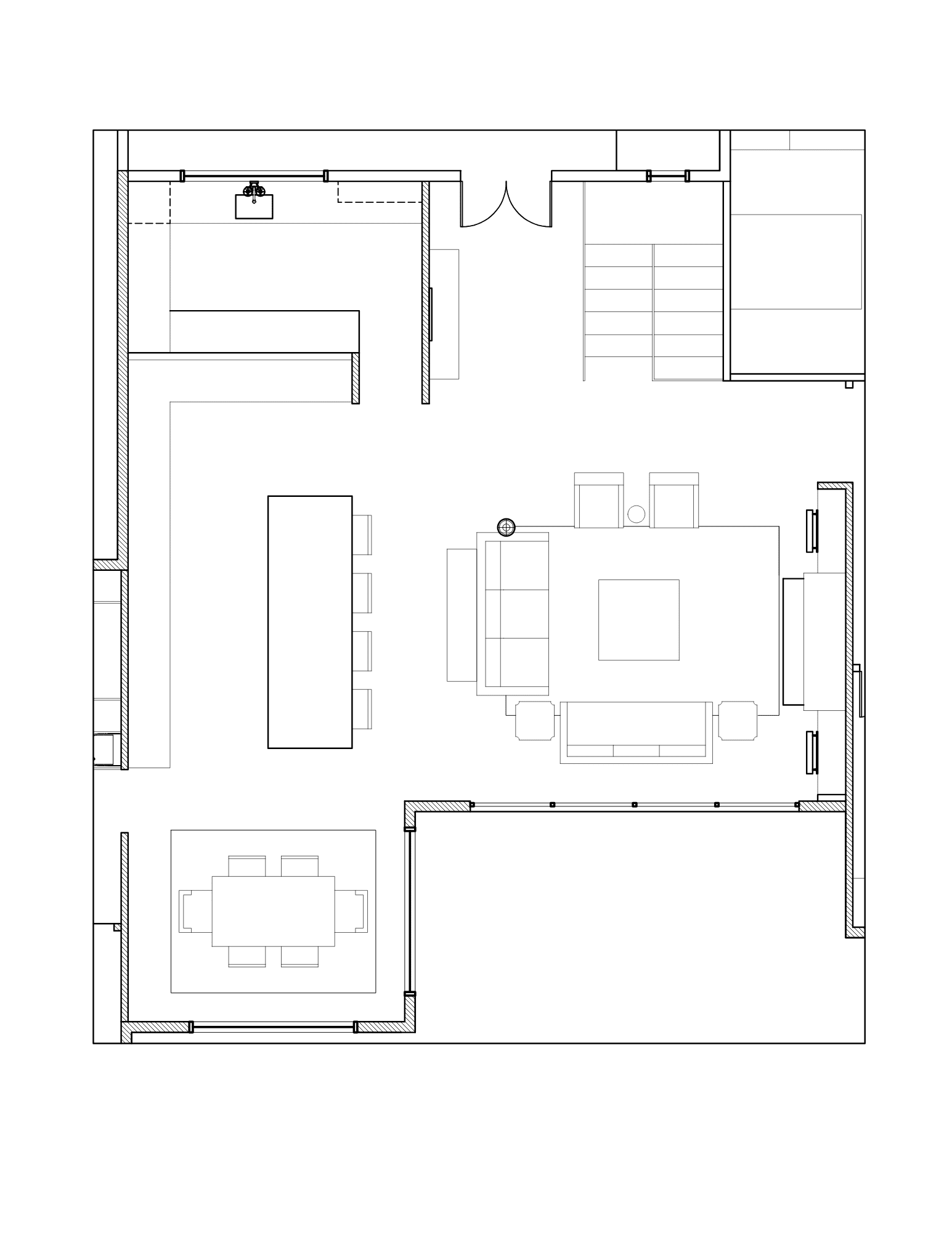
When we begin planning a room, we first look at the things we know cannot move: windows, doors, fireplaces, built-ins, and walkways. These architectural features help guide the furniture placement and create natural balance within the home. Whenever possible, we like to work with the architecture instead of against it by framing focal points and creating intentional visual flow.
(Submitted by Curate Company)
One of the most overlooked parts of design is traffic flow. A room should feel easy to move through without furniture interrupting the way people naturally travel from one space to another. In most homes, we recommend maintaining about three feet of clearance for main walkways to keep spaces feeling comfortable and open.
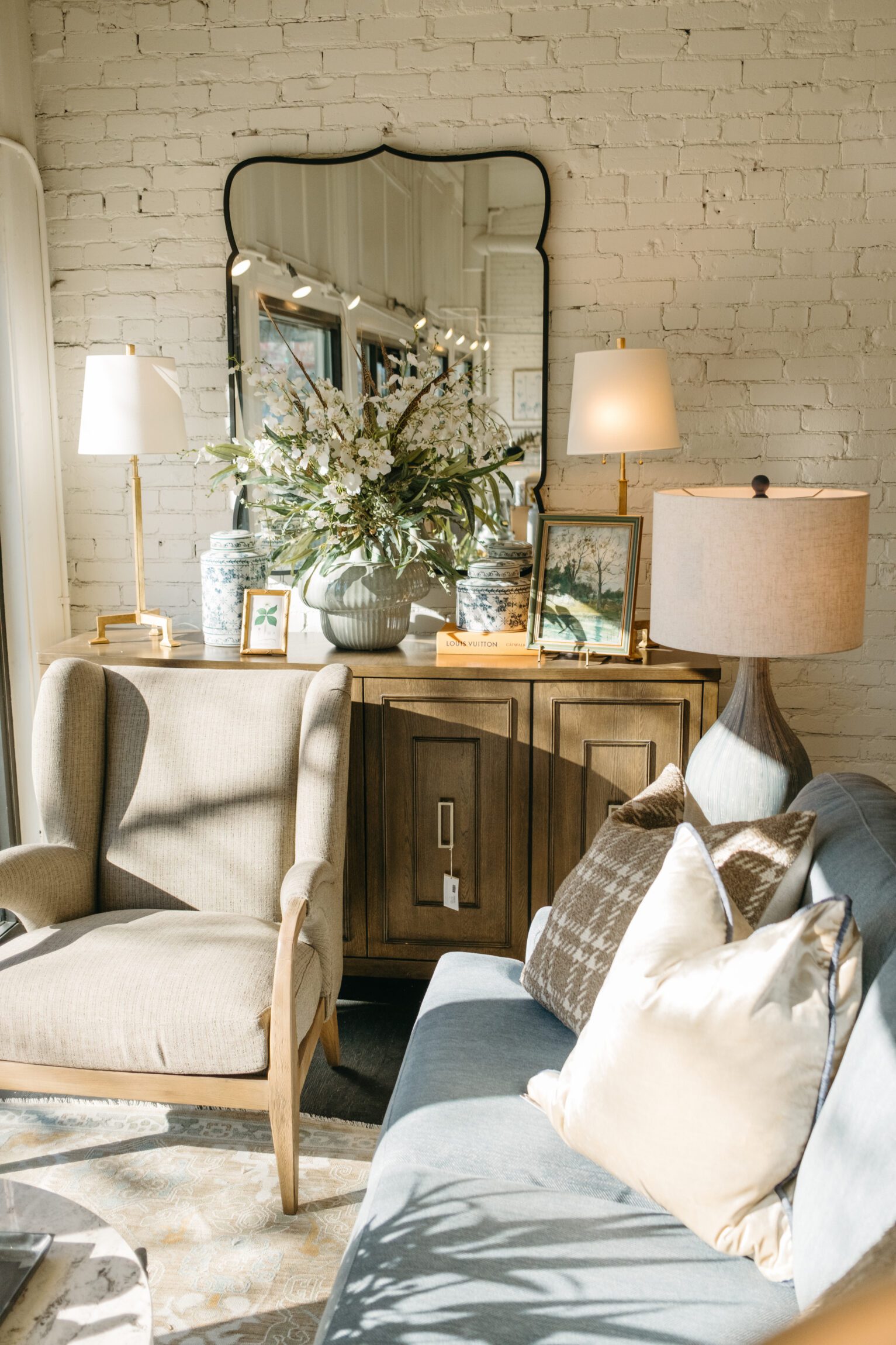
We also believe furniture should be grouped by function. A reading chair feels more inviting when paired with a floor lamp and side table. Living room seating should encourage conversation while still allowing the room to breathe. Every piece should feel connected to the overall composition rather than floating on its own.
(Photo by Klara Ricks)
Scale is equally important. Oversized furniture can overwhelm a room, while pieces that are too small can make a space feel unfinished. Properly sized rugs help anchor the room and should extend beneath at least the front legs of surrounding furniture. Artwork should also relate to the furnishings around it and positioned only several inches above furniture so they remain engaged with the composition.
At the end of the day, thoughtful design is about more than filling a room with beautiful things. It’s about creating spaces that feel welcoming, balanced, functional, and personal to the people living there. Rooms feel best when every piece has a purpose and relates to the space around it.