There comes a time in many families’ lives when the meaning of “home” begins to shift. For those considering Assisted Living or Memory Care, it’s no longer just about a place to live; it’s about comfort, connection, and the reassurance that your loved one is supported, safe, and truly seen. These transitions can feel overwhelming, but they can also open the door to a new chapter filled with dignity, purpose, and belonging.
What makes this field so unique is the opportunity to be part of deeply personal moments in people’s lives. Every day, we have the privilege of building relationships with residents and their families. We learn the stories that shaped them, celebrate routines that bring comfort, and offer support in ways that honor their individuality. Sometimes it’s a shared laugh over a favorite meal; other times, it’s the quiet reassurance of knowing someone is nearby to listen and help. These moments often bring as much joy to our team as they do to the residents.

(Submitted by Spring Village at Hammonton)
For older adults, especially those navigating memory changes, connection and consistency are critical. Families often notice that when their loved one feels recognized, valued, and cared for, they begin to thrive in ways that go beyond physical health. Memory Care isn’t just about safety; it’s about creating an environment where each person feels a sense of purpose, belonging, and joy. Assisted Living, meanwhile, allows residents to maintain independence while having access to the support and reassurance they need.
One common misconception about Assisted Living and Memory Care is that moving in means giving up independence or personal choice. In truth, the most meaningful communities are relationship-driven. Residents’ preferences, routines, and personalities are honored every day. Each choice—when to wake, what to eat, or how to spend the day—is respected, and support is offered in a way that feels natural and empowering rather than clinical.
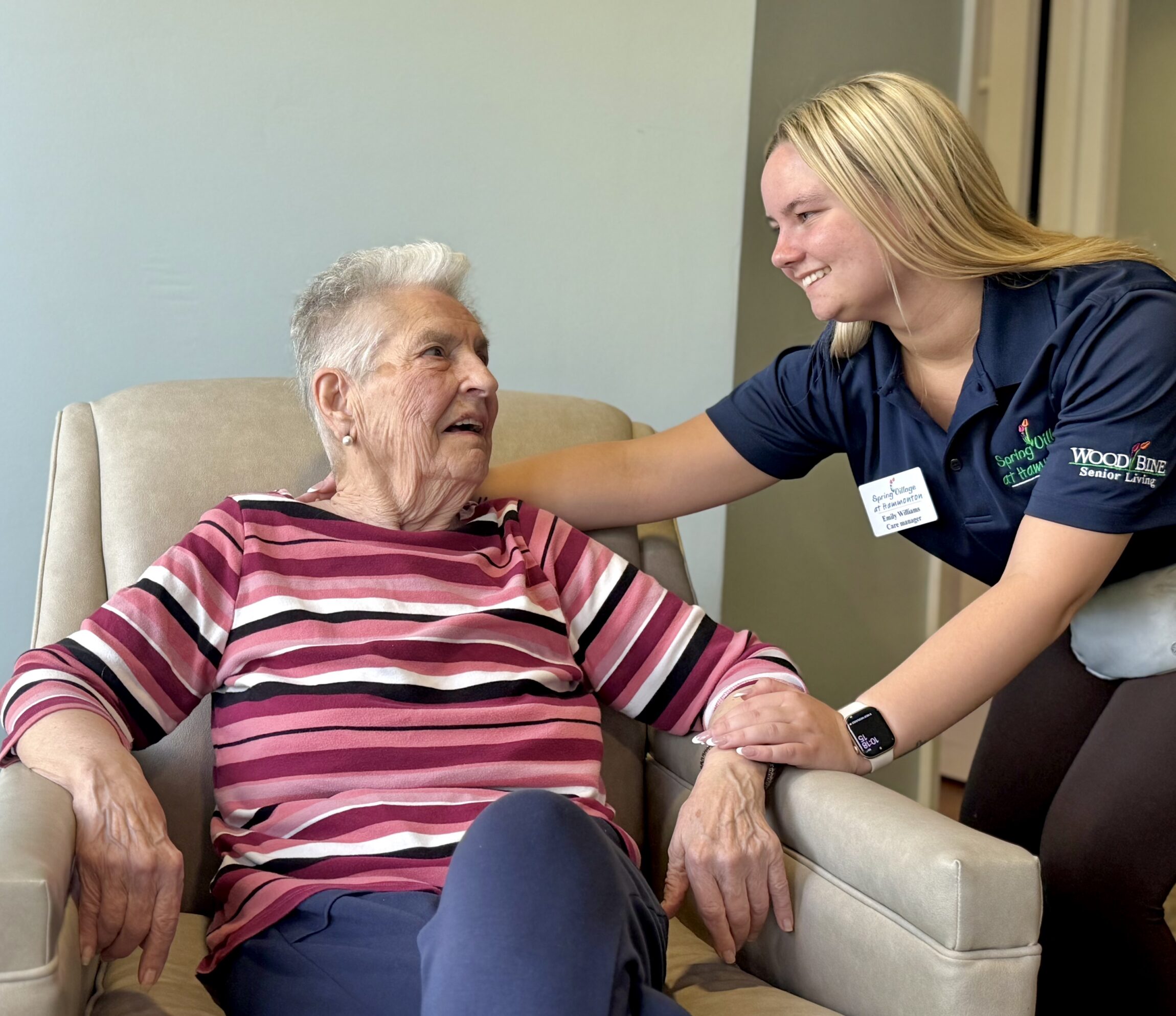
(Submitted by Spring Village at Hammonton)
Planning ahead is another area that families sometimes overlook. Thoughtful conversations, early exploration of options, and preparation, both practical and emotional, make transitions smoother and less stressful. Families often find comfort in knowing that their loved one can continue familiar routines, maintain social connections, and thrive in a safe and supportive environment.
Ultimately, this work has a profound impact on the individuals we serve, their entire families, and the community at large. It’s about helping families navigate change with confidence, giving residents a renewed sense of purpose, and creating spaces where people can live fully and meaningfully.
Because in the end, home isn’t just where you live, it’s where you feel safe, valued, and truly at peace.