If you spend any time driving just outside of town, you’ve probably noticed it—properties that are overgrown, hard to access, and full of potential, but not quite usable yet. What many people don’t realize is that with the right approach, that same piece of land can be completely transformed.
Land clearing is often thought of as a straightforward process: remove the trees, clear the brush, and start fresh. But in reality, it’s much more intentional than that. When done properly, land clearing is about creating opportunity—opening up space, improving how the land functions, and preparing it for whatever comes next.
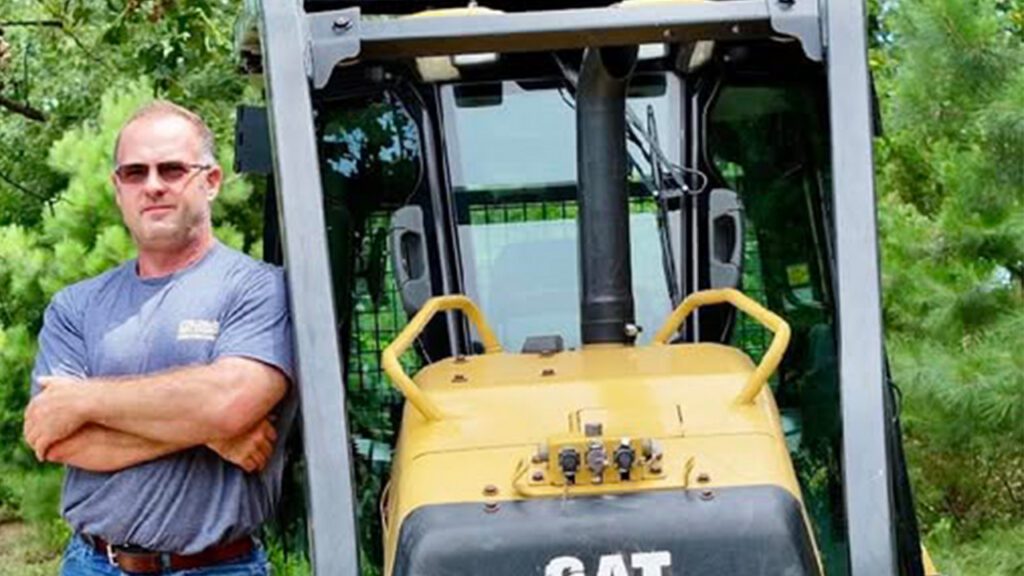
From my perspective at Altman’s Land Management, every property tells a different story. Some are covered in thick brush and small trees, others are heavily wooded with limited access, and some simply haven’t been touched in years. To an untrained eye, it can feel overwhelming. But with experience, you begin to see the potential—where a home might sit, how the land naturally drains, which trees should stay, and how the property can be shaped to serve its purpose not just today, but years down the road.
One of the most common misconceptions I see is the idea that everything needs to be cleared to make land usable. In many cases, that approach can do more harm than good. Removing all vegetation at once can increase the risk of erosion, especially on sloped areas, and can disrupt the natural balance of the land. In reality, some of the best outcomes come from a more selective approach—keeping certain trees for shade and privacy, preserving root systems to help stabilize the soil, and working with the natural layout of the property instead of against it.
Another important factor that often gets overlooked is how the land will function after it’s cleared. It’s not just about how it looks in the moment. Drainage, grading, and soil stability all play a major role in the long-term success of a property. Clearing land without considering how water moves across it can lead to standing water, erosion, or costly corrections later on. A well-thought-out clearing process should leave the land not only looking better, but working better too.
The methods used in land clearing also make a difference. There are several approaches, from traditional equipment like dozers and excavators to more specialized options like forestry mulching, which can break down vegetation and return nutrients back into the soil. The right choice depends on the land itself—its terrain, condition, and intended use. Taking the time to choose the right method helps protect the land while also making the process more efficient.
What makes land clearing so rewarding is the transformation. What starts as overgrown, unused space can become something entirely different—open ground ready for a home, improved pasture, accessible trails, or simply a property that can finally be enjoyed. It’s not about stripping the land down; it’s about uncovering what’s already there and helping it reach its full potential.
At the end of the day, land clearing is more than just a first step—it’s the foundation for everything that follows. Taking a thoughtful, informed approach can make all the difference in how your property looks, functions, and holds its value over time. Because when it’s done right, land clearing doesn’t just change the land—it creates new possibilities for it.
Any content, resident submissions, guest columns, advertisements, and advertorials are not necessarily endorsed by or represent the views of Best Version Media LLC (BVM) or any municipality, homeowners associations, businesses, or organizations that this publication serves. BVM is not responsible for the reliability, suitability, or timeliness of any content submitted, inclusive of materials generated or composed through artificial intelligence (AI). All content submitted is done so at the sole discretion of the submitting party.