As temperatures begin to rise in June, proper watering becomes one of the most important factors in maintaining a healthy lawn.
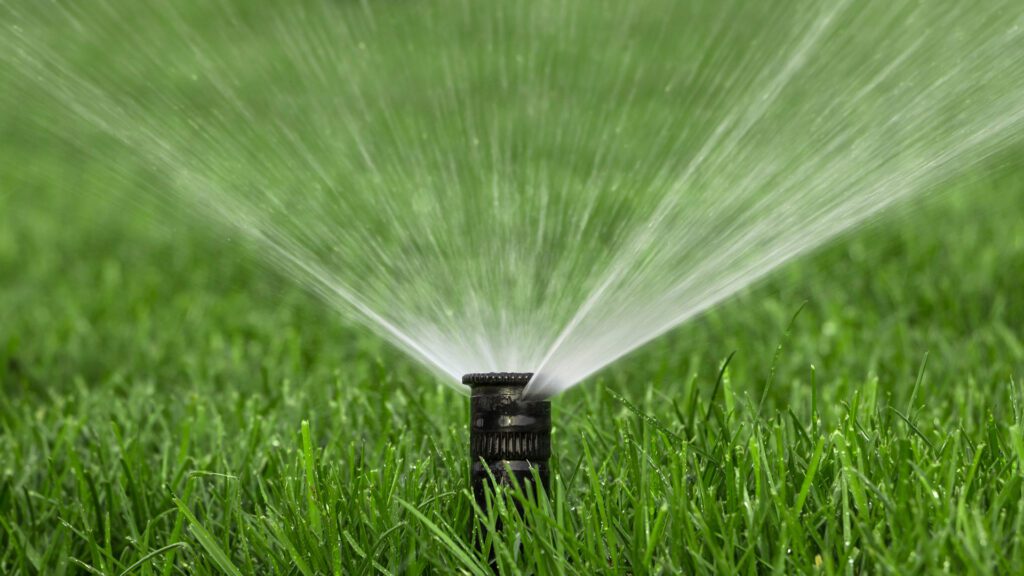
Most lawns in the Pacific Northwest require approximately 1–1.5 inches of water per week to remain actively growing and green through the summer months. This total includes both irrigation and natural rainfall. Deep, infrequent watering is preferred over light daily watering, as it encourages deeper root growth and improves drought tolerance.
If you prefer to conserve water during the summer, turfgrass can also survive on as little as 0.5 inches of water per week. At this level, the lawn will likely enter a summer dormancy period and turn brown, but the grass crowns and roots can remain alive until cooler temperatures and rainfall return. Dormant lawns should still receive occasional moisture to help prevent long-term drought stress damage.
Our Hydro Guard Program can help improve water efficiency and reduce drought stress during the summer months. Hydro Guard works by improving moisture retention and helping water move more effectively into the soil profile, allowing turf to maintain better hydration between watering cycles. This can be especially beneficial during periods of heat, watering restrictions, or inconsistent rainfall.
Another important summer practice is to raise mowing heights during periods of heat and drought stress. Taller grass blades help shade the soil, reduce moisture loss, and encourage deeper root development. For most Pacific Northwest lawns, maintaining a mowing height around 3–4 inches during the summer can significantly improve turf health and drought tolerance. Avoid removing more than one-third of the grass blade at a time, as aggressive mowing can add additional stress during hot weather.
June is also a good time to watch for solarization damage. Leaving objects such as kiddie pools, tarps, patio furniture, dog crates, toys, or storage items on the lawn for extended periods can trap heat and block airflow. During warm weather, this can quickly overheat and suffocate the turf beneath the object, resulting in yellow or dead patches. Even a few sunny days can cause noticeable damage.
To help prevent solarization:
- Move items regularly
- Avoid leaving pools or tarps in one location for multiple days
- Allow airflow and sunlight to reach the turf whenever possible
Consistent watering, proper mowing practices, minimizing heat stress, and improving soil moisture management with programs like Hydro Guard can help your lawn remain healthier and more resilient throughout the summer season.
Any content, resident submissions, guest columns, advertisements, and advertorials are not necessarily endorsed by or represent the views of Best Version Media LLC (BVM) or any municipality, homeowners associations, businesses, or organizations that this publication serves. BVM is not responsible for the reliability, suitability, or timeliness of any content submitted, inclusive of materials generated or composed through artificial intelligence (AI). All content submitted is done so at the sole discretion of the submitting party.