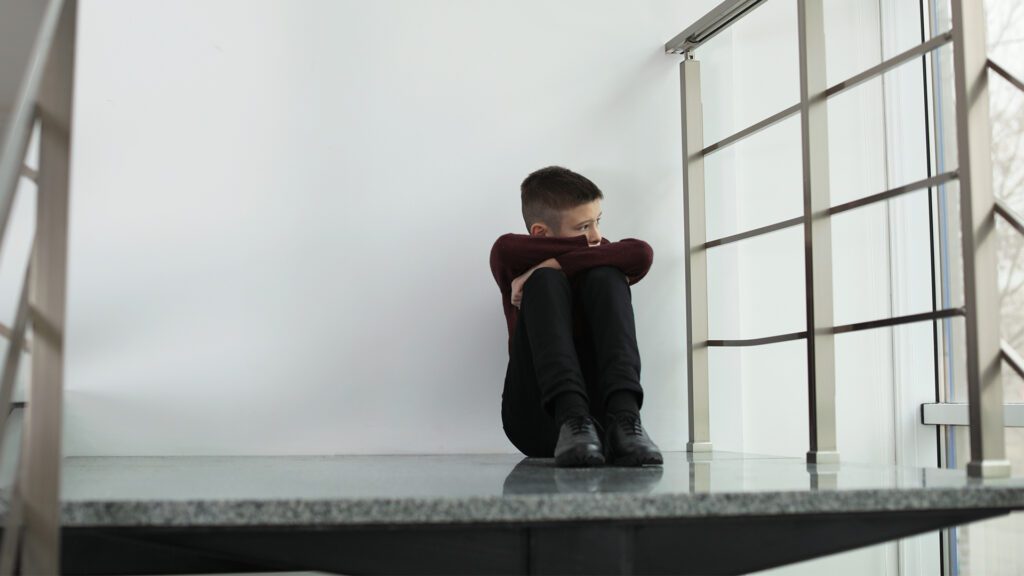
By almost any measure, boys and young men are not doing well. The most obvious data point is the widening gender gap in higher education. For example, the gender gap in bachelor’s degree attainment is wider today (15 percentage points in favor of women) than it was in the opposite direction (13 percentage points in favor of men) when Title IX was passed in 1972. Achievement gaps exist in K-12 education as well, where two-thirds of high schoolers with the highest GPAs are girls, and the ratio is reversed at the bottom.
And school is just one example. Other measures, like mental health, patterns of isolation, and fraying pathways into adulthood, are concerning enough to merit an honest conversation for anyone who cares about human flourishing. But this is where the conversation often goes off the rails. Because while the data are incontrovertible, too many people choose to treat this issue as a zero-sum game.
Somewhere along the line, a narrative arose that any attempt to help boys must be read as hostility to girls.
It’s not. And if we don’t retire that assumption, all of us (girls and women included) will keep paying for it. Because, as I have seen in my own work with boys, they did not stop having the questions boys have always had. They didn’t stop wondering, often silently, “What does it mean to be a good man?” What changed is that we made it harder for many of them to ask these questions without feeling vaguely accused of something.
As a result, our boys asked the old questions in new places. Instead of seeing a thoughtful, demanding, humane vision of masculinity from real men in their lives, they were fed a seductive but empty substitute in the online “manosphere.” Surely everyone agrees that we must do better.
At Country Day, we’ve begun to wade into this issue. Two years ago, we started a seventh-grade boys group at school called Project LEAD. This effort seeks to reclaim that conversation before it gets outsourced to strangers with microphones and paid advertising on social media. We try to create a space where boys can talk honestly about leadership and masculinity, strength and self-control, discipline and responsibility. We push back against the victimhood narratives and the performative cynicism that thrive online. And we also push back against the opposite temptation, that “being a man” must be either toxic or irrelevant.
Project LEAD has been meaningful, but it’s still far from perfect. It’s also not nearly enough. If we’re serious, we have to expand the conversation. Most of all, we need more adult men in the lives of boys (including more male teachers) to model positive masculinity.
In addition, I would offer two less obvious prescriptions. First, we need to take seriously the decline of reading. Books offer a sense of interiority for boys that is harder to find than for girls. They give language to emotion; they display a wider range of expressions of masculinity; and they require nuanced thinking about the complexities of modern life. A culture of books over screens prioritizes reflection and discipline rather than impulsivity and indulgence – just what boys need more of.
Second, we need to think about sports culture. As I have written before, the professionalization of youth athletics has created incredible opportunities for a small number of elite athletes. But it has also stripped away the casual, communal, “come as you are” bonding experience for everyone else. The middle majority of boys who love sports but won’t be recruited for the next level often lose a crucial opportunity to belong to a positive male structure when the neighborhood team goes away at a young age. It is not backwards to suggest that a robust, healthy youth sports culture is essential for boys to flourish.
If we can expand this nascent national conversation, our boys will be better off. But some of the biggest beneficiaries may be girls and women. After all, the so-called “boy crisis” has arguably led to fewer worthy partners for women – in school, work, and life. And if we are to tackle the challenges facing our dynamic world today, we’ll need everybody.
Any content, resident submissions, guest columns, advertisements, and advertorials are not necessarily endorsed by or represent the views of Best Version Media LLC (BVM) or any municipality, homeowners associations, businesses, or organizations that this publication serves. BVM is not responsible for the reliability, suitability, or timeliness of any content submitted, inclusive of materials generated or composed through artificial intelligence (AI). All content submitted is done so at the sole discretion of the submitting party.