Controlling your home’s humidity levels and air quality is just as important as your temperature setting. Texans love their air conditioning, but keeping your home truly comfortable requires more than adjusting the thermostat. Properly managing these factors helps minimize seasonal allergens and prevent mold growth and excess moisture, creating a healthier indoor environment.
First, keep your home’s humidity levels in check to improve comfort and prevent mold growth. High humidity can make the air feel sticky and warmer than it actually is, while low humidity can dry out skin, hair, and wooden furniture. Excess moisture encourages mold and mildew growth, which can damage walls, floors, and furniture and contribute to respiratory issues. In humid climates like Houston, controlling indoor moisture is essential for comfort and protecting your home.
Homeowners can take several steps to manage humidity. Ensure your HVAC system is properly sized and maintained, as an efficient system naturally removes excess moisture from the air. Many systems include built-in dehumidification functions or can be paired with a whole-home dehumidifier. Programmable thermostats with humidity controls allow monitoring and adjustments throughout the day. Simple practices, like using exhaust fans in bathrooms and kitchens, drying clothes outdoors, sealing leaks in windows and doors, and keeping gutters clear, also help. Ideally, indoor humidity should stay between 40 and 60 percent to maximize comfort and reduce mold or dust mites.
Humidity is closely linked to air quality, which affects comfort and health. Dust, pollen, and pet dander naturally accumulate in homes. HVAC systems with media filters or UV lights can reduce these contaminants. Media filters capture smaller particles that standard filters may miss, while UV lights target bacteria and mold spores. Families with allergies or asthma often notice improvement in breathing and comfort after using these solutions. Even regular inspections and cleaning can make a noticeable difference in indoor air quality.
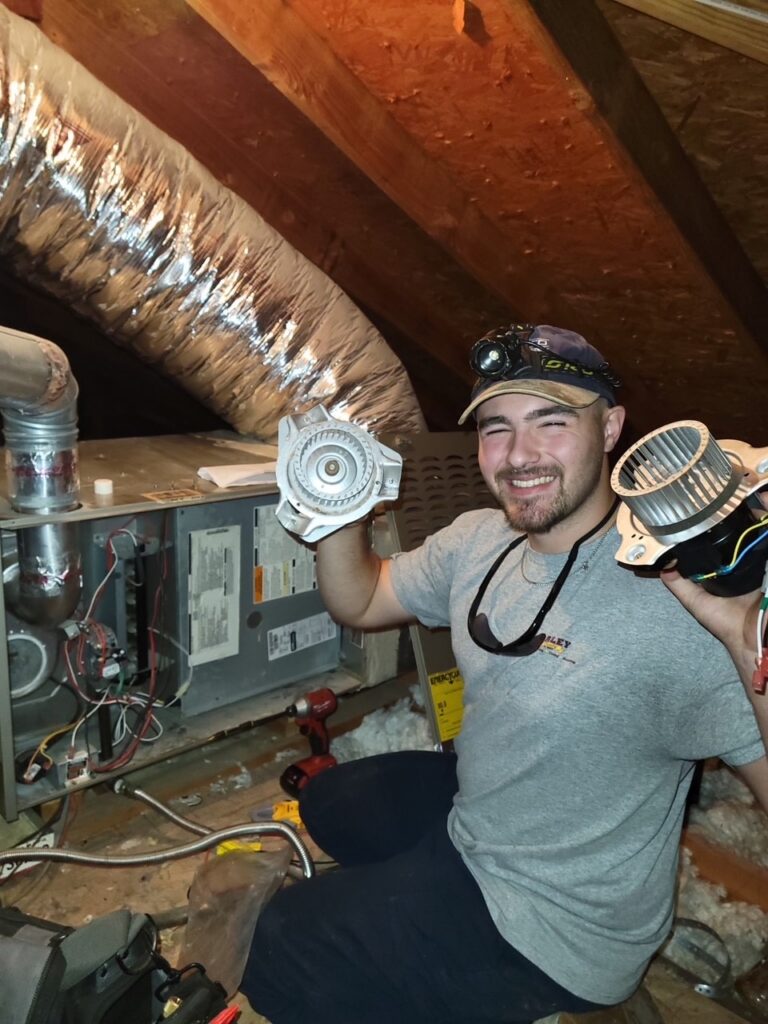
Maintaining your system is equally important. Think of it like an oil change for your car. You wouldn’t skip an oil change on a new car, and you shouldn’t skip routine HVAC maintenance. Neglecting maintenance can reduce airflow, lower efficiency, and allow dust and allergens to circulate, leading to bigger problems. Tasks include cleaning coils, inspecting ducts for leaks, and checking drainage and humidity components.
Every home is different, and HVAC needs vary depending on size, layout, insulation, and local climate. Homes in humid climates like Houston benefit from dehumidification features, while homes with allergy sufferers may require higher-grade filtration or UV systems. Tailoring solutions to your home’s unique needs ensures optimal comfort and health.
To get the most from your system, follow these tips:
- Change your air filter regularly to maintain airflow and clean air.
- Monitor and control humidity to prevent mold and protect furniture.
- Consider air quality solutions like media filters or UV lights for allergies, asthma, or pet dander.
- Schedule regular maintenance to keep all components functioning properly.
- Understand your home’s unique needs and tailor your system accordingly.
Keeping up with your HVAC system, managing humidity, and paying attention to air quality doesn’t just control temperature. It helps reduce allergens, prevent mold, and keeps your home feeling comfortable and safe. A few simple, consistent steps can make a noticeable difference, making your home a place that works for your family’s needs. For your next routine maintenance or repair, call Dailey Company at 713.496.0877 or go to GoDailey.com.