As parents, it’s easy to focus on big milestones, such as reading, writing, completing homework, or succeeding in school. But what often matters most in the early years (and beyond) isn’t structured learning, it’s play. Play is not just something children do for fun. Play is a child’s primary occupation. It’s how they learn, grow, process the world around them, and build the foundational skills needed for everything that comes later. Before a child can sit and write a sentence, follow directions, or manage their emotions, their brain and body develop those abilities through meaningful, repeated play experiences.
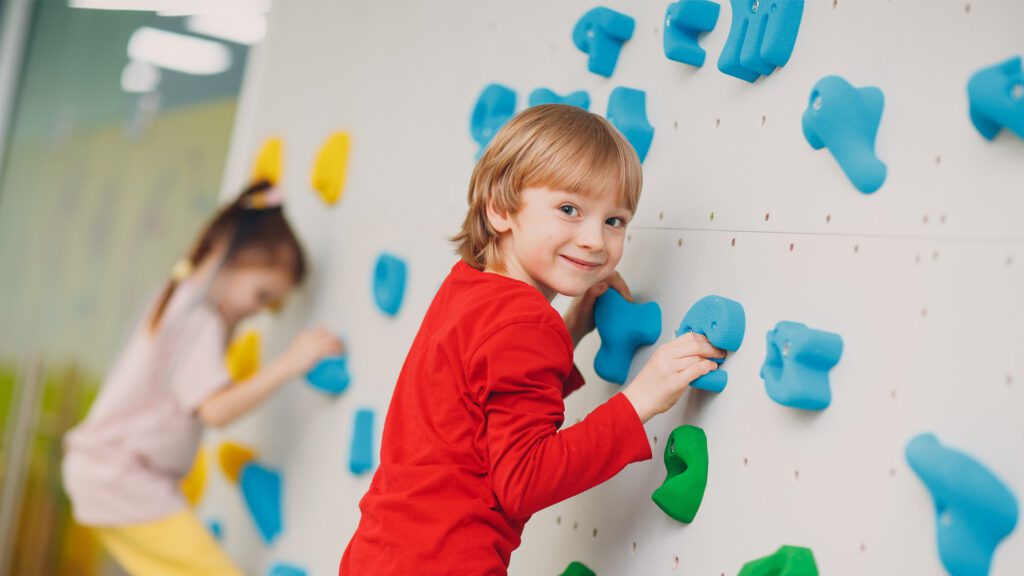
Through play, children are constantly developing essential skills that support their growth and everyday functioning. As they explore and interact with their environment, they are building motor skills, improving coordination, and strengthening their ability to problem-solve and think creatively. Play also supports language development and communication, while helping children learn how to regulate their emotions and connect with others. At the same time, they are developing attention, focus, and executive functioning skills like planning and organizing. Play is how the brain organizes information; it’s how children begin to make sense of the world around them.
Play doesn’t look the same at every age, and that’s exactly how it’s supposed to be. In the beginning, play may look like simple exploration, touching, mouthing, and moving their bodies as they learn about their environment. As children grow, play becomes more interactive, imaginative, and social. They begin to create, pretend, problem-solve, and connect with others in new ways. There isn’t a strict timeline; children move through different types of play at their own pace, often blending stages together as they grow. Our role as parents and caregivers isn’t to direct or control play, but to support it by creating opportunities, following their lead, joining in when invited, and stepping back when they need independence. One of the biggest misconceptions about play is that it needs to be perfectly curated or highly structured, but it doesn’t. Children don’t need more things; they need time, space, and connection. Play can be simple and still incredibly meaningful, such as playing outside, building, pretending, creating, or exploring sensory materials. What matters most is that children have opportunities for connection with others, as well as time for independent play where they can explore and simply be themselves. There is no one “right” way to play, just meaningful experiences that support growth and development.
After a long day of learning and navigating emotions, children don’t process their experiences by sitting still; they process through play. Play helps them work through emotions, understand what they’ve experienced, and practice new skills in a way that feels safe. What may look repetitive or even silly is actually the brain doing important work to organize and integrate information.
In today’s world, screens can easily take up a large part of a child’s day. While they have their place, too much screen time can interfere with development by replacing opportunities for movement, creativity, and connection. Screens also provide fast-paced input that can overwhelm the brain, making it harder for children to process their day. In contrast, play allows the brain to slow down, regulate, and make sense of what it has learned.
When we step back and allow play to take the lead, we are giving children exactly what they need to build a strong foundation. This doesn’t require perfection; it just requires intention. When we protect time for play, we’re not taking away from learning; we’re building the foundation for it. If you’re looking for simple, creative ways to play or want more education about your child’s development, we’d love to stay connected. Follow along on our social media or join our email list for ideas, guidance, and support along the way.
IG: the.therapyhouse
Facebook: The Therapy House
TikTok: the.therapyhouse
Email list: https://thetherapyhouse.podia.com