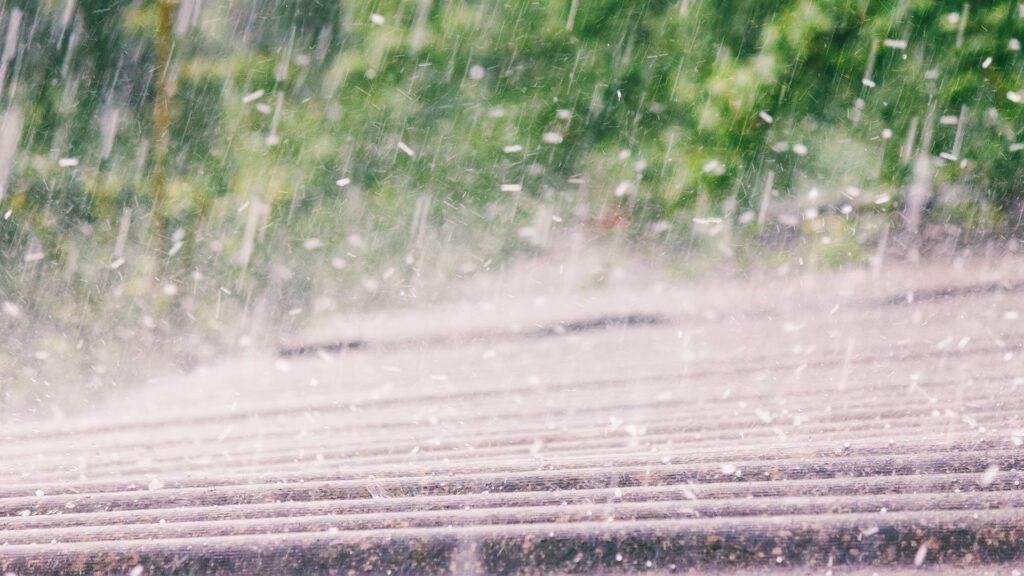
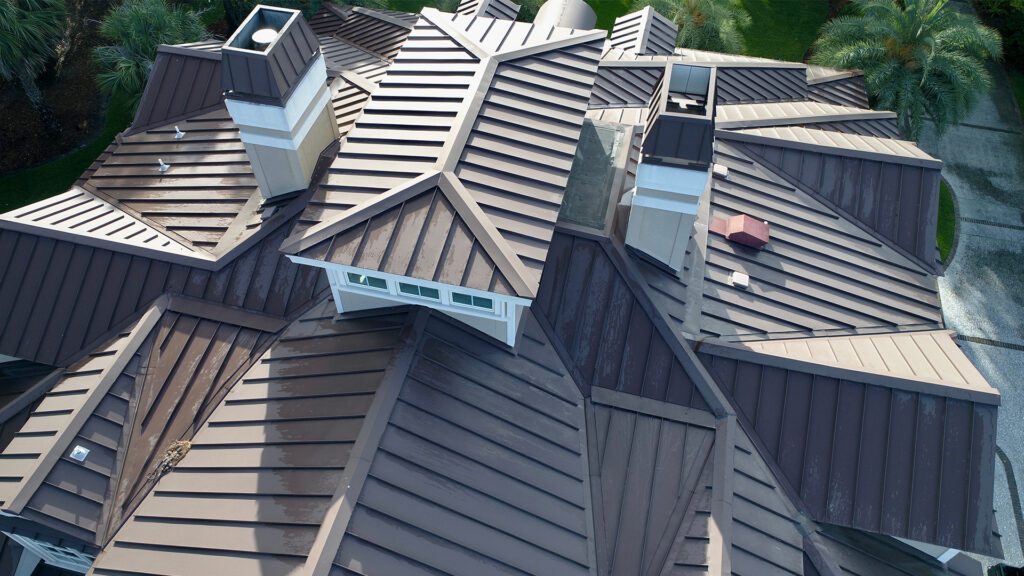
When disaster strikes your home—from water and fire to a powerful Texas storm—recovery is possible. With the right knowledge, you can turn a stressful event into an opportunity to rebuild stronger and smarter.
First Steps After Damage: What To Do Immediately
Your first actions set the tone for everything that follows.
- Prioritize Safety – If there’s structural damage, exposed wiring, or smoke, leave and wait for professionals. Safety always outranks urgency.
- Document Everything – Photograph and video everything before touching anything. Crucial for insurance claims.
- Contact Your Insurance Company – File the claim right away; the sooner it’s filed, the faster recovery begins.
- Call a Professional Restoration Team – Mold can begin forming within 24–48 hours. Don’t wait.
Understanding Different Types of Damage
- Water Damage: The Silent Spreader
Water seeps into flooring, drywall, and insulation—often hiding where you can’t see it—leading to mold and structural damage.
- Fire Damage: More Than Flames
Fire leaves behind smoke, soot, and odor that penetrate deeply into materials—even after the flames are out.
- Storm Damage: The Double Threat
Storms combine wind and water, so you may face roof damage and interior moisture simultaneously.
Restoration vs. Remodeling: What’s the Difference?
After damage, homeowners often assume these mean the same thing. They don’t.
- Restoration = Return your home to its original condition
- Remodeling = Improve or upgrade your home during the rebuild
If you’re already opening walls or replacing flooring, it’s the perfect time to upgrade materials, improve layout, or boost energy efficiency. Think of it as “rebuilding smarter.”
How to Choose the Right Restoration Partner
Choose a team that combines urgency with craftsmanship. Look for:
- 24/7 emergency response
- Experience with insurance claims
- Full-service capabilities (mitigation + rebuild)
- Clear communication and timelines
Bluebonnet Restoration knows the unique challenges of Helotes homes—from sudden downpours to intense summer heat—and brings both technical expertise and local insight.
Protecting Your Home Long-Term
Once restored, the goal is making sure you don’t go through it again.
- Regular Inspections – Check your roof, plumbing, and HVAC at least twice a year.
- Improve Drainage – Ensure gutters and downspouts direct water away from your foundation.
- Install Monitoring Systems – Water leak detectors and smart home alerts can catch problems before they become severe.
- Review Your Insurance Coverage – Many homeowners discover gaps only after filing a claim. Review your policy annually.
Turning Setbacks Into Stronger Homes
Damage can feel overwhelming, but it doesn’t have to be the end of the story. With the right team, it can be the beginning of a better one. Restoration is about more than repairs—it’s about building resilience and protecting what matters most. A home isn’t just walls and a roof. It’s where life happens, and being prepared makes all the difference.