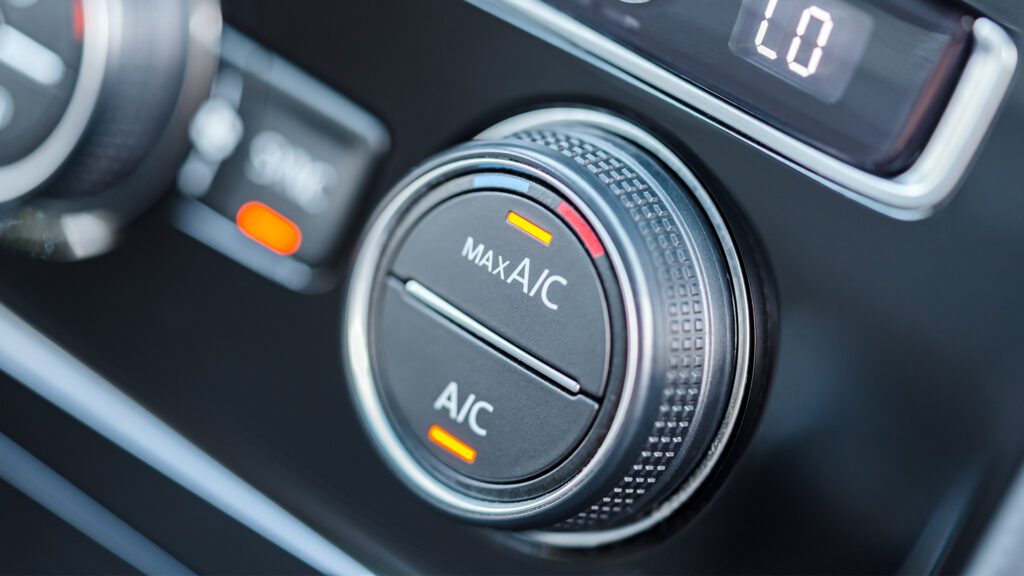
With summer in the South comes intense heat and humidity. Air conditioning isn’t just a luxury, it’s a necessity. Just as important as having A/C is knowing how to make sure your vehicle is properly prepared for it.
Lately, we’ve seen an increase in shops offering “A/C inspections” and “A/C flushes.” Before agreeing to either, there are a few things you should understand.
Your vehicle’s heating and air conditioning system is made up of many components. In modern vehicles, many of these parts include plastic materials that can break down and deteriorate over time. When this happens, it can lead to failures in different areas of the system. That’s why we often ask whether your vehicle has stopped cooling or stopped blowing air because those are two very different issues.
Unfortunately, not every repair shop approaches these problems honestly. Just because your A/C isn’t cooling properly does not mean you need an entirely new system. A professional repair shop should be able to diagnose where refrigerant (freon) is leaking. Addressing the specific failed component is typically far more cost-effective than replacing the entire system.
We strongly discourage do-it-yourself fixes using over-the-counter refrigerant cans from parts stores—even those with built-in gauges. Most vehicles require a very precise amount of refrigerant, and these cans often lead to overfilling, which can create bigger problems. Some even contain “stop leak” additives that can contaminate the system, clog components, and lead to more extensive (and expensive) repairs.
We’ve seen this firsthand. One customer, while traveling, purchased a can of refrigerant for around $80 and had it installed at a parts store just to get home. Within two hours, the A/C stopped cooling again.
In another case, adding refrigerant from a can resulted in over $1,000 in repairs. Once we diagnosed the issue, we found that a simple relay had failed —costing around $28—was the root problem. However, because the system had been overfilled, it caused multiple major components to fail.
To be clear, not all A/C issues are easy to diagnose. Some leaks are difficult to locate and may require the use of fluorescent dye to identify the source. In certain cases, it may take more than one step to isolate the issue. Our goal is never to guess. We want to accurately pinpoint the problem and repair only what’s necessary.
There are also other factors that can affect your A/C performance. For example, an overheating engine can prevent your A/C from cooling properly. Many newer vehicles also rely on temperature sensors some even located in exterior mirrors and if those sensors are damaged, they can impact system performance.
That’s why it’s critical to trust your vehicle with a repair shop that has experienced technicians who can properly diagnose the issue.
We generally do not recommend A/C system flushes, and in many cases, “free inspections” can lead to unnecessary services or even new problems. Your A/C system is a closed system, meaning it should not require regular servicing unless there is an issue. However, if you notice your air isn’t cooling as it should, it’s important to have it checked to identify any potential leaks or failures.
Finally, keep in mind that in extreme heat, especially here in the South, it can take several minutes for your vehicle to cool down. Depending on the size of your vehicle and your settings, most systems are designed to cool to about 20 degrees below the outside temperature.