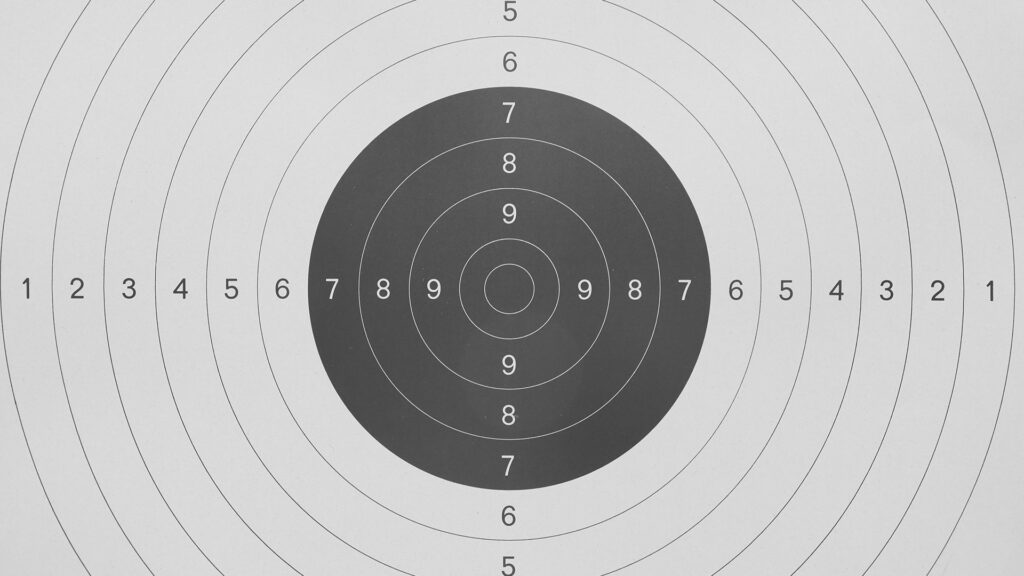
Long before I became a father, I was involved in competitive shooting. I started at five years old with my father, entered competitions around age ten, and went on to become a top shooter on my high school rifle team. As an adult, I later became an instructor. Through all of those experiences, I have seen firsthand how structured shooting sports can positively influence young people. In today’s world, parents are often looking for activities that help build confidence, discipline, and real-world skills. While traditional team sports such as basketball, football, and soccer are excellent opportunities for many children, not every child connects with those environments. Some thrive more in individual, skill-based activities that emphasize focus and personal growth.
Structured shooting sports, when introduced in a safe and supervised environment, can offer another meaningful path for development. These programs emphasize responsibility, concentration, problem-solving, and patience while also creating opportunities for families to learn and spend time together.
One of the first and most important lessons taught in any well-run program is safety. Before a young person participates, they are taught proper safety rules, the importance of protective equipment, and how to follow instructions from trained leaders. They also learn awareness and respect for those around them.
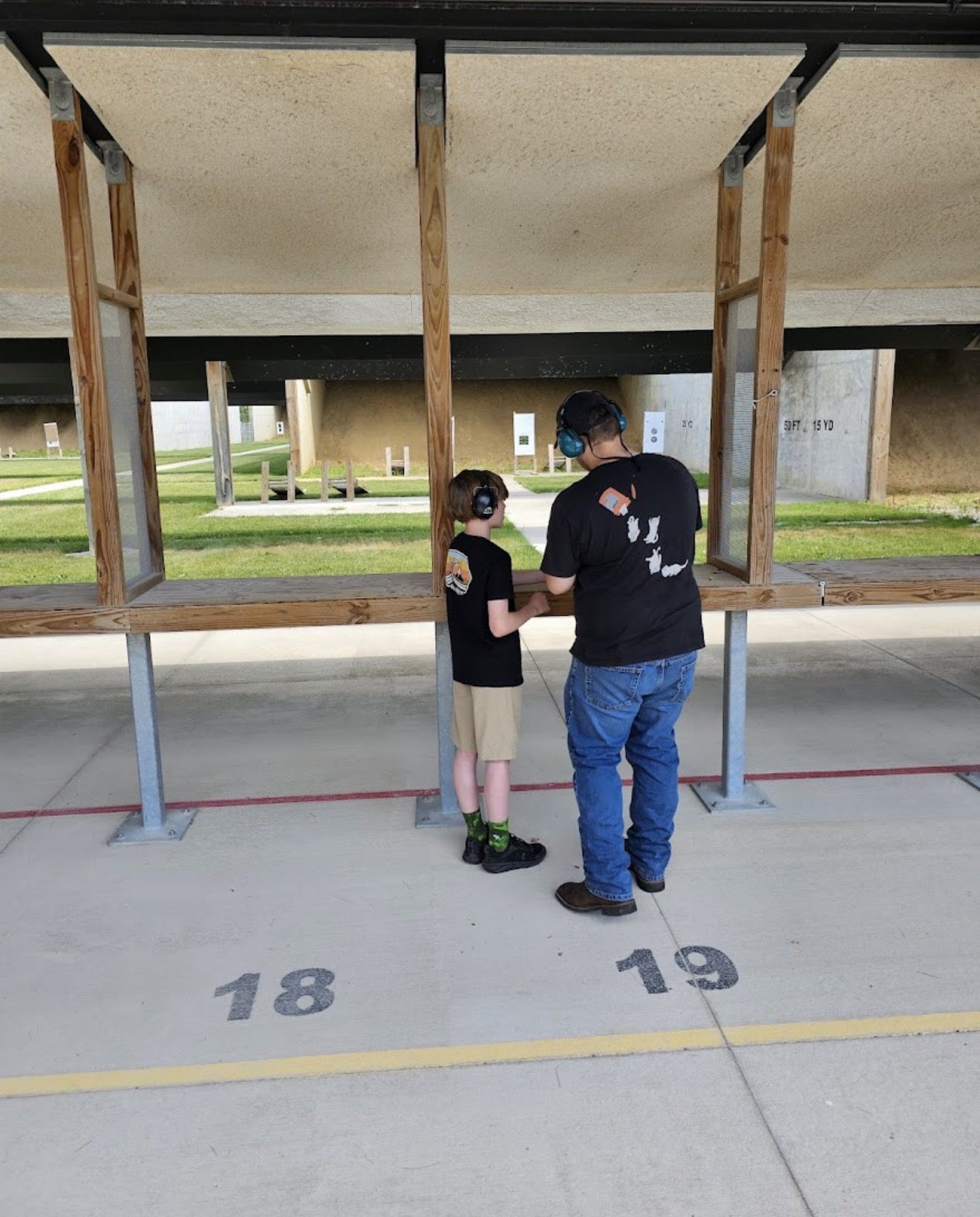
(Submitted by Dustin Kidd)
For many young people, this is one of the first experiences where they are trusted with clear
responsibility. That trust, when guided appropriately, helps build confidence and maturity. Safety and structure remain the foundation of every step. Shooting sports also require a level of focus that is increasingly rare in today’s fast-paced world. To perform well, a young participant must slow down, control their breathing, maintain steady posture, and focus carefully on a single task. Distractions fall away, and full attention is required in the moment.
For children who may not thrive in more fast-paced or team-based environments, this structured focus can be especially rewarding. It provides a calm, goal-oriented setting where progress is clear and measurable. Another valuable lesson comes through problem-solving. If a shot does not go as planned, the focus shifts away from frustration and toward learning. Young participants are encouraged to ask questions such as what adjustments can be made in stance, aim, or technique.
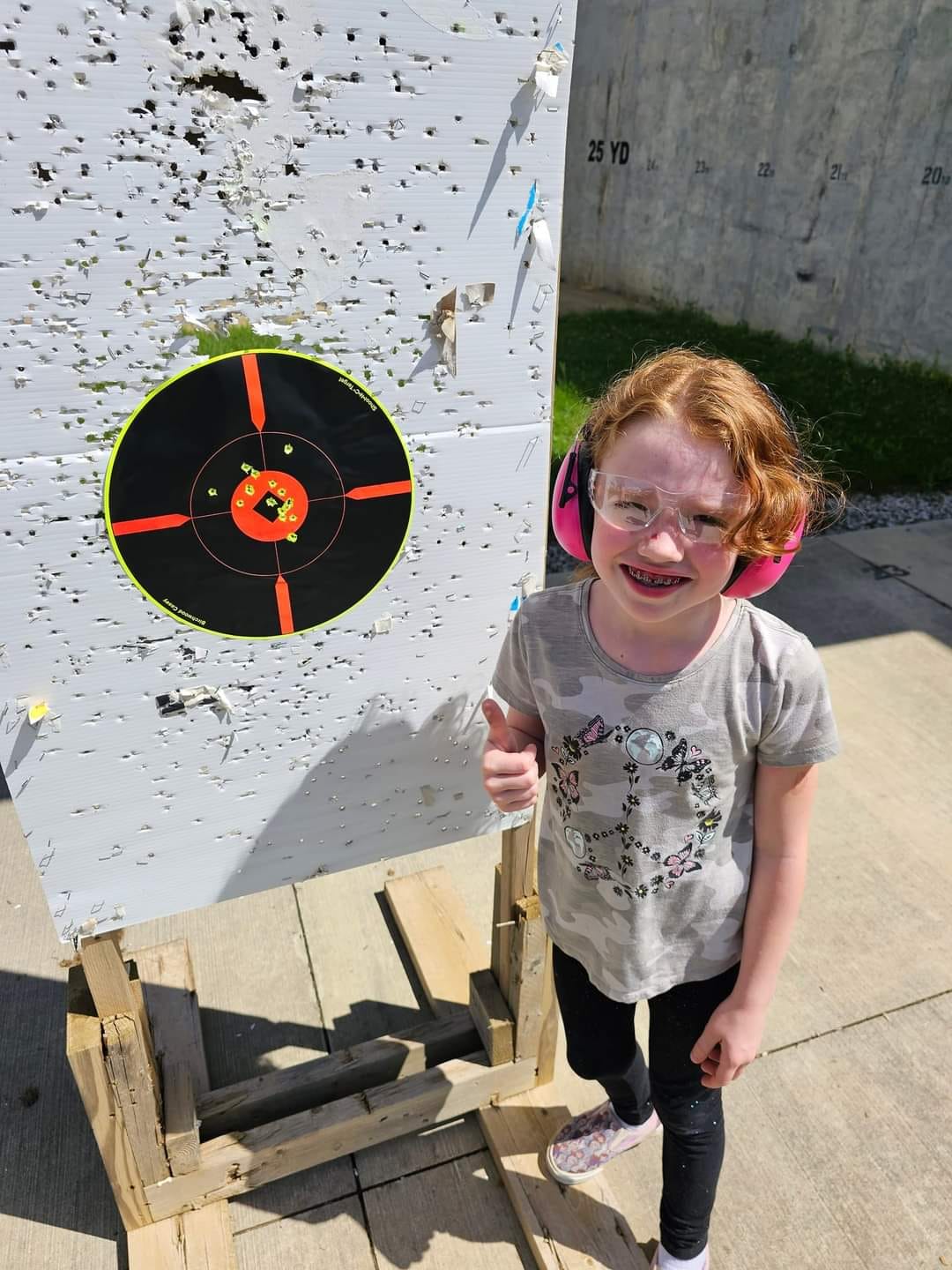
(Submitted by Dustin Kidd)
Each attempt becomes an opportunity to learn. Over time, they begin to understand that improvement comes through observation, adjustment, and practice. This builds patience, critical thinking, and the ability to evaluate their own progress. Like any skill, shooting sports require time and repetition. There are moments of challenge, and not every attempt will be successful. However, structured programs emphasize steady improvement and perseverance. Participants learn that growth comes through practice and continued effort. This process helps build resilience and determination. Qualities that extend far beyond any single activity.
Any content, resident submissions, guest columns, advertisements, and advertorials are not necessarily endorsed by or represent the views of Best Version Media LLC (BVM) or any municipality, homeowners associations, businesses, or organizations that this publication serves. BVM is not responsible for the reliability, suitability, or timeliness of any content submitted, inclusive of materials generated or composed through artificial intelligence (AI). All content submitted is done so at the sole discretion of the submitting party.