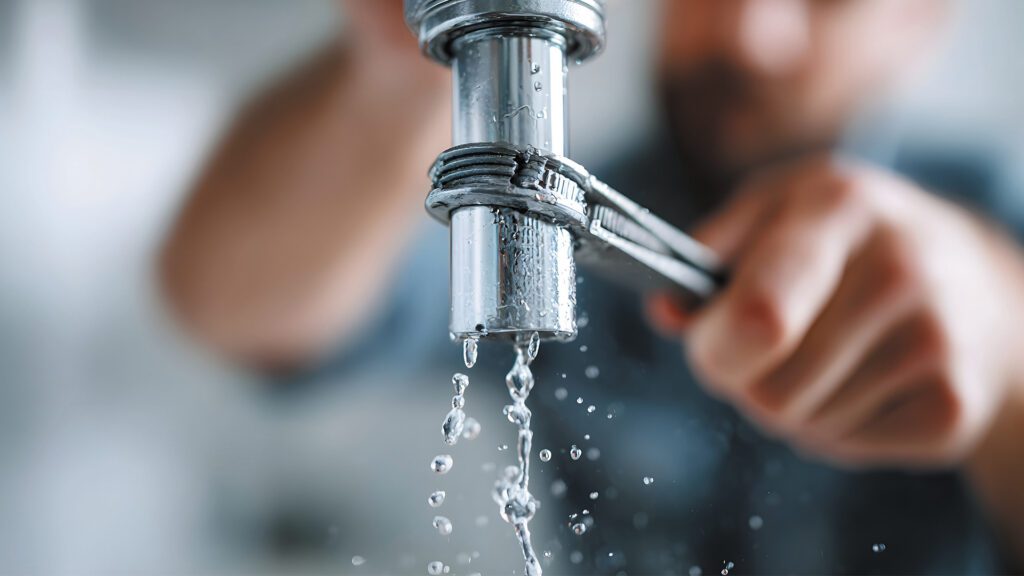
Living in Arizona comes with plenty of perks—sunshine, stunning desert landscapes, and mild winters. But beneath the surface, your home’s plumbing faces a unique set of challenges year-round. From mineral-heavy water to extreme summer heat and sudden monsoon storms, understanding how these conditions affect your system can help you avoid costly repairs and keep everything running smoothly.
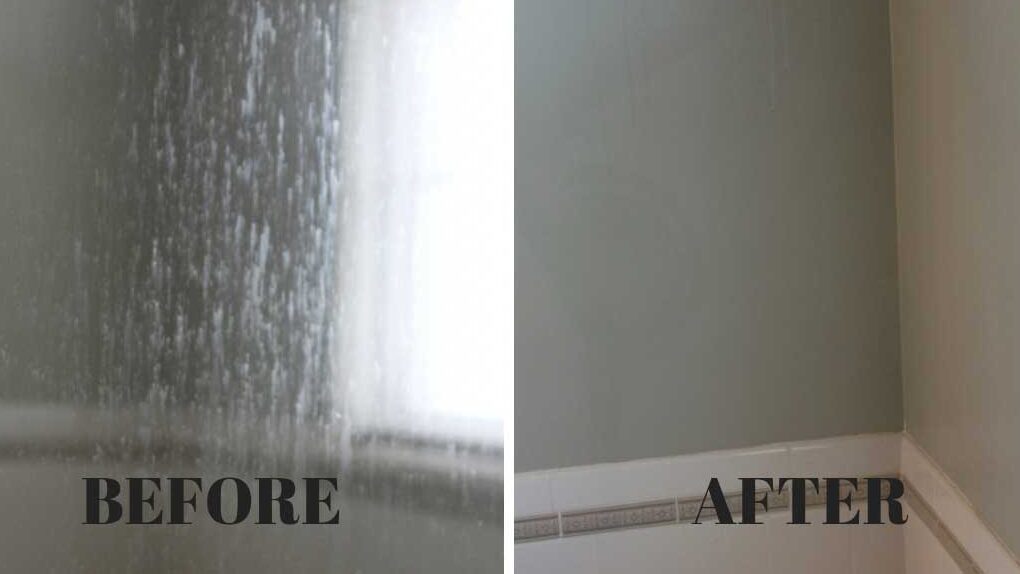
Submitted photo
Hard Water in Arizona: What It’s Doing to Your Pipes (and Skin)
Arizona is known for having hard water, meaning it contains high levels of minerals like calcium and magnesium. While not harmful to drink, hard water can quietly take a toll on your home. Inside your pipes, these minerals form a chalky buildup called scale. Over time, scale restricts water flow, reduces efficiency, and can even lead to clogs or pipe damage.
You may notice the effects elsewhere, too: spotty dishes, stiff laundry, dry skin, and dull hair are all common signs. Appliances like dishwashers and water heaters also have to work harder, which can shorten their lifespan.
One of the most effective solutions is installing a water softener. These systems remove excess minerals, helping protect your plumbing, improve water quality, and extend the life of your appliances. For homeowners looking for a lower-maintenance option, salt-free conditioning systems can reduce scale buildup, though they don’t fully soften water in the traditional sense.
Preparing Your Plumbing for Desert Summers
Arizona summers aren’t just tough on people—they’re tough on plumbing too. Prolonged heat can cause pipes, especially exposed outdoor lines, to expand and weaken over time. Plastic components can become brittle, and small cracks can turn into major leaks if left unchecked.
Outdoor fixtures need extra attention. Hose bibs, irrigation lines, and sprinkler systems often see increased use during the hottest months, which raises the risk of wear and tear. At the same time, water usage spikes as homeowners try to keep landscapes alive and stay cool.
A few simple steps can help:
- Inspect exposed pipes for signs of damage or wear
- Insulate vulnerable areas where possible
- Check irrigation systems for leaks or inefficiencies
- Avoid running multiple high-water appliances at once during peak hours
Being proactive can prevent breakdowns when you need your plumbing most.
Monsoon Season Plumbing Risks You Shouldn’t Ignore
When monsoon season arrives, the dry desert can quickly turn into a flood-prone environment. Heavy rains can overwhelm drainage systems, leading to standing water, erosion, and even sewer backups.
Clogged or poorly maintained drains are especially vulnerable. Debris like leaves, dirt, and sediment can block water flow, causing it to back up toward your home. In more severe cases, excess pressure in municipal sewer lines can force wastewater back through household drains.
To reduce your risk:
- Clear outdoor drains and gutters before storms hit
- Make sure your property slopes away from your foundation
- Consider installing a backwater valve to prevent sewer backups
- Avoid planting trees too close to sewer lines, as roots can worsen blockages
A little preparation before the storms roll in can save you from major headaches later.
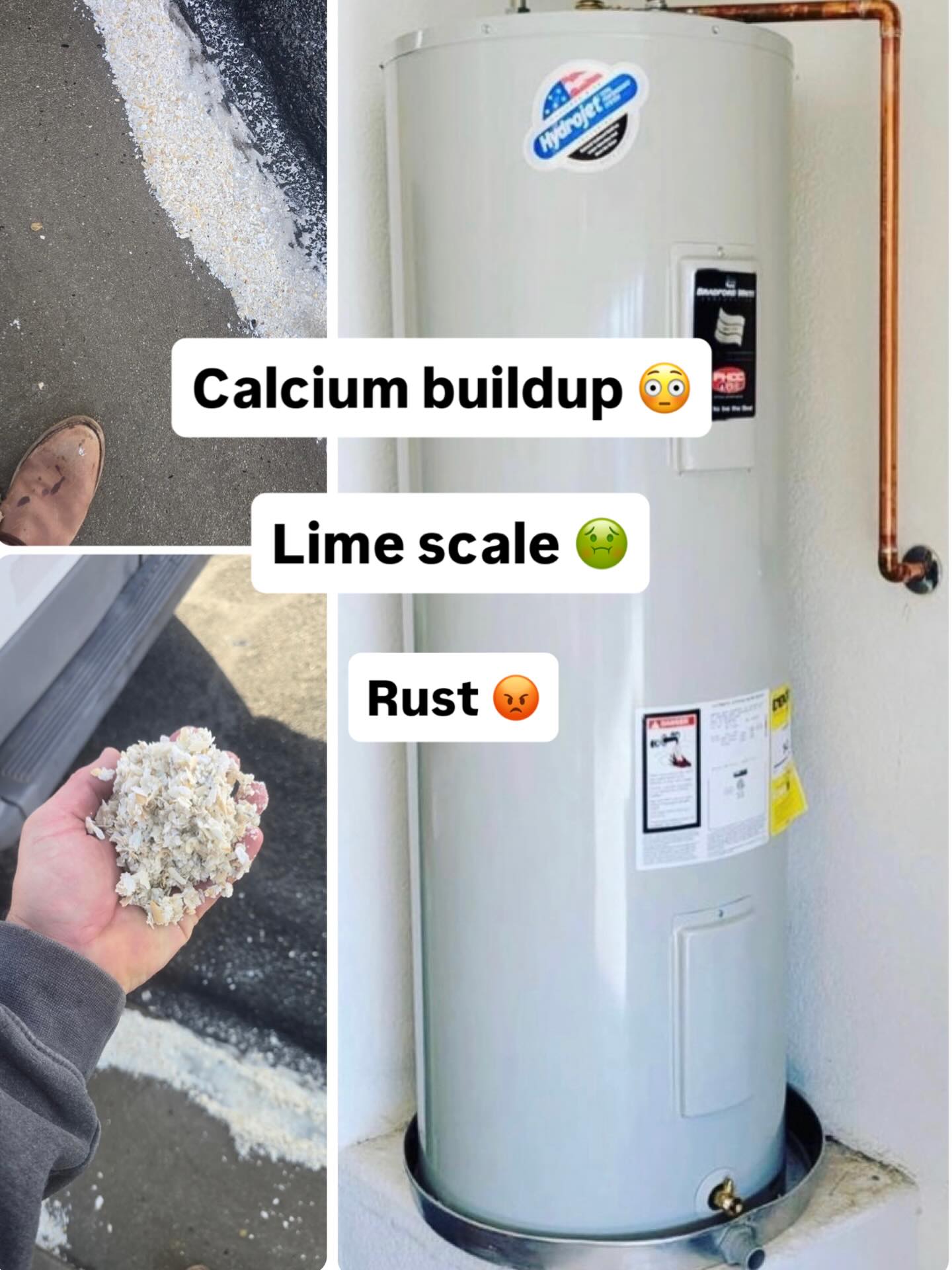
Submitted photo
Why Your Water Heater Works Harder in Arizona—and How to Help It Last
Between hard water and high usage, water heaters in Arizona have a demanding job. Mineral-rich water causes sediment to settle at the bottom of the tank, creating a barrier between the heating element and the water. This forces the system to work harder, reducing efficiency and increasing energy costs.
Over time, sediment buildup can lead to overheating, strange noises, and even premature failure. In severe cases, it can damage the tank itself.
Routine maintenance makes a big difference. Flushing your water heater at least once a year helps remove sediment and keep it operating efficiently. Homes with especially hard water may benefit from more frequent flushing or pairing the unit with a water softener.
You can also extend your system’s lifespan by:
- Checking the anode rod periodically (it helps prevent corrosion)
- Setting the thermostat to a moderate temperature
- Scheduling professional inspections every few years
Arizona’s environment is tough, but your plumbing doesn’t have to suffer because of it. With a little awareness and regular maintenance, you can protect your pipes, improve water quality, and keep your home running efficiently through every season.
Please reach out to Petersen Plumbing Industries at (602) 299-0218 and schedule an inspection today!
Any content, resident submissions, guest columns, advertisements, and advertorials are not necessarily endorsed by or represent the views of Best Version Media LLC (BVM) or any municipality, homeowners associations, businesses, or organizations that this publication serves. BVM is not responsible for the reliability, suitability, or timeliness of any content submitted, inclusive of materials generated or composed through artificial intelligence (AI). All content submitted is done so at the sole discretion of the submitting party.