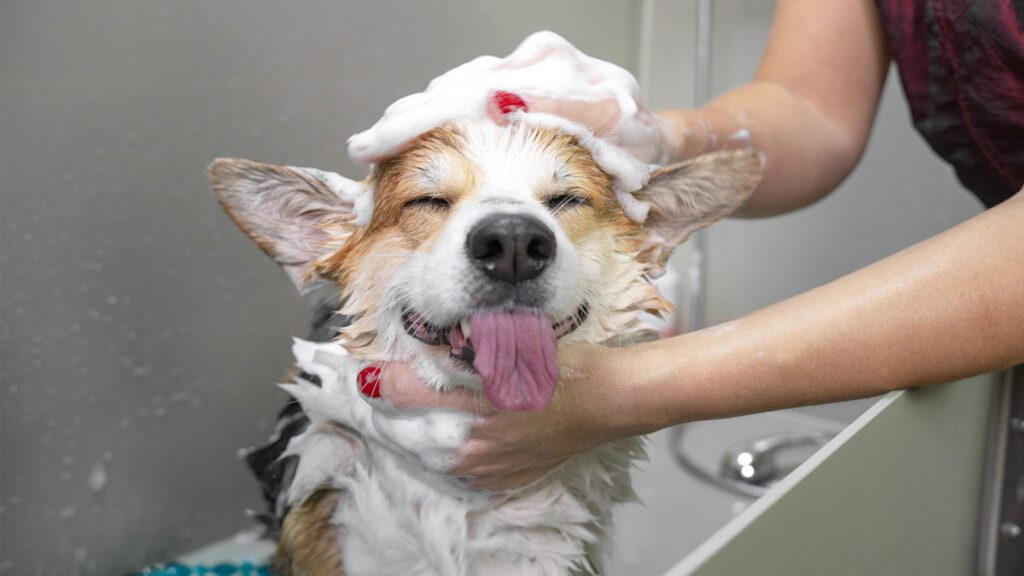
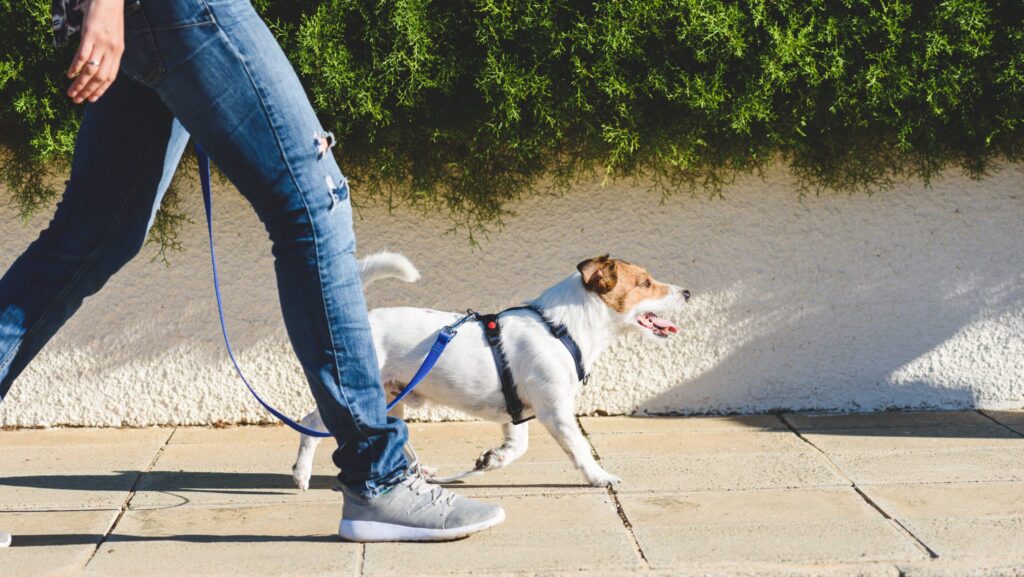
When most people think about grooming, they picture a fresh haircut, trimmed nails, and that “just left the spa” smell. While those things are great, grooming plays a much bigger role in your pet’s overall health—especially when it comes to mobility and comfort.
At the PAW Center, we often see how small details—like nail length or coat condition—can make a big difference in how a pet moves and feels day to day.
Grooming Isn’t Just Cosmetic — it’s Functional
Routine grooming helps support your pet’s body in ways that go far beyond appearance:
- Nail trims improve posture and gait: Overgrown nails can change how a dog or cat stands and walks, placing extra stress on joints and muscles.
- Coat care prevents restriction and discomfort: Matted fur can pull tightly on the skin, limiting natural movement and causing irritation.
- Healthy skin supports hands-on care: Proper grooming helps pets better tolerate therapeutic techniques like stretching, massage, and other supportive treatments.
Why This Matters for Animal Rehabilitation
Whether a pet is recovering from surgery, managing arthritis, or rebuilding strength after injury, comfort and movement go hand in hand. In animal rehabilitation, the goal is to:
- Improve mobility
- Reduce discomfort
- Build strength and confidence
However, things like long nails, sensitive skin, or coat matting can quietly interfere with progress. For example:
- Long nails can reduce traction and stability during movement
- Tight mats may limit joint range of motion
- Poor coat condition can make handling and therapy less comfortable
Addressing these issues through routine grooming helps remove those barriers, allowing pets to move more freely and comfortably.
It’s Not Just for Rehab Patients
Even pets not currently in a rehabilitation program benefit from regular grooming as part of preventative care.
- Senior pets often need extra help maintaining comfort and stability
- Active dogs benefit from proper nail length and coat maintenance to reduce injury risk
- Cats, especially as they age, may struggle to groom themselves effectively
Consistent grooming supports overall wellness and helps catch small issues before they become bigger problems.
Signs Your Pet May Need Grooming
Sometimes the signs are subtle. Here are a few things to watch for in both dogs and cats:
- Nails clicking on hard floors
- Slipping or struggling to gain traction
- Visible mats or tangles in the coat
- Excess shedding or dull, flaky skin
- Odor that doesn’t go away
- Licking, chewing, or sensitivity in certain areas
- Difficulty grooming themselves (common in older pets or cats)
- Changes in posture or the way they walk
If you’re noticing any of these, grooming may help improve your pet’s comfort more than you’d expect.
A Thoughtful Approach to Pet Care
Grooming is often viewed as a routine task, but it plays an important role in how pets feel, move, and function in their daily lives. When combined with other supportive care, it becomes part of a more complete approach to keeping pets happy, comfortable, and active.
Any content, resident submissions, guest columns, advertisements, and advertorials are not necessarily endorsed by or represent the views of Best Version Media LLC (BVM) or any municipality, homeowners associations, businesses, or organizations that this publication serves. BVM is not responsible for the reliability, suitability, or timeliness of any content submitted, inclusive of materials generated or composed through artificial intelligence (AI). All content submitted is done so at the sole discretion of the submitting party.