The concept of the Safer 3 is to promote the fact that there is always risk associated with being in, on or around the water. That risk cannot be eliminated, however it can be reduced and managed by following the tenets of the Safer 3 message. By using the word safer instead of safe we help reinforce that idea of risk always being present. The Safer 3 is a multiple strategy message to address the fact that there is no one answer or solution for drowning prevention rather there are different elements that should be employed at different times and situations. The Safer 3 is about recognizing the risk in those different situations and then implementing the appropriate strategy to reduce and then manage the risk to provide for a “safer” water experience. Therein lays the challenge because the risk can develop in so many different forms and combinations. A drowning event is usually the result of a series of unfortunate occurrences, hence the need for the multiple strategies approach to prevention.
Here are some examples of the situations and reasons that often lead to a tragedy: Unsupervised children gain unauthorized access to a backyard pool or spa, a child without swimming ability or minimal ability is in a pool during a family type gathering and inactive supervision allows for distress to go unnoticed, a child with sufficient swimming ability exhibits improper or reckless behavior or judgment placing themselves or others in danger and in the event that an accident occurs the first responder is not trained in rescue procedures.
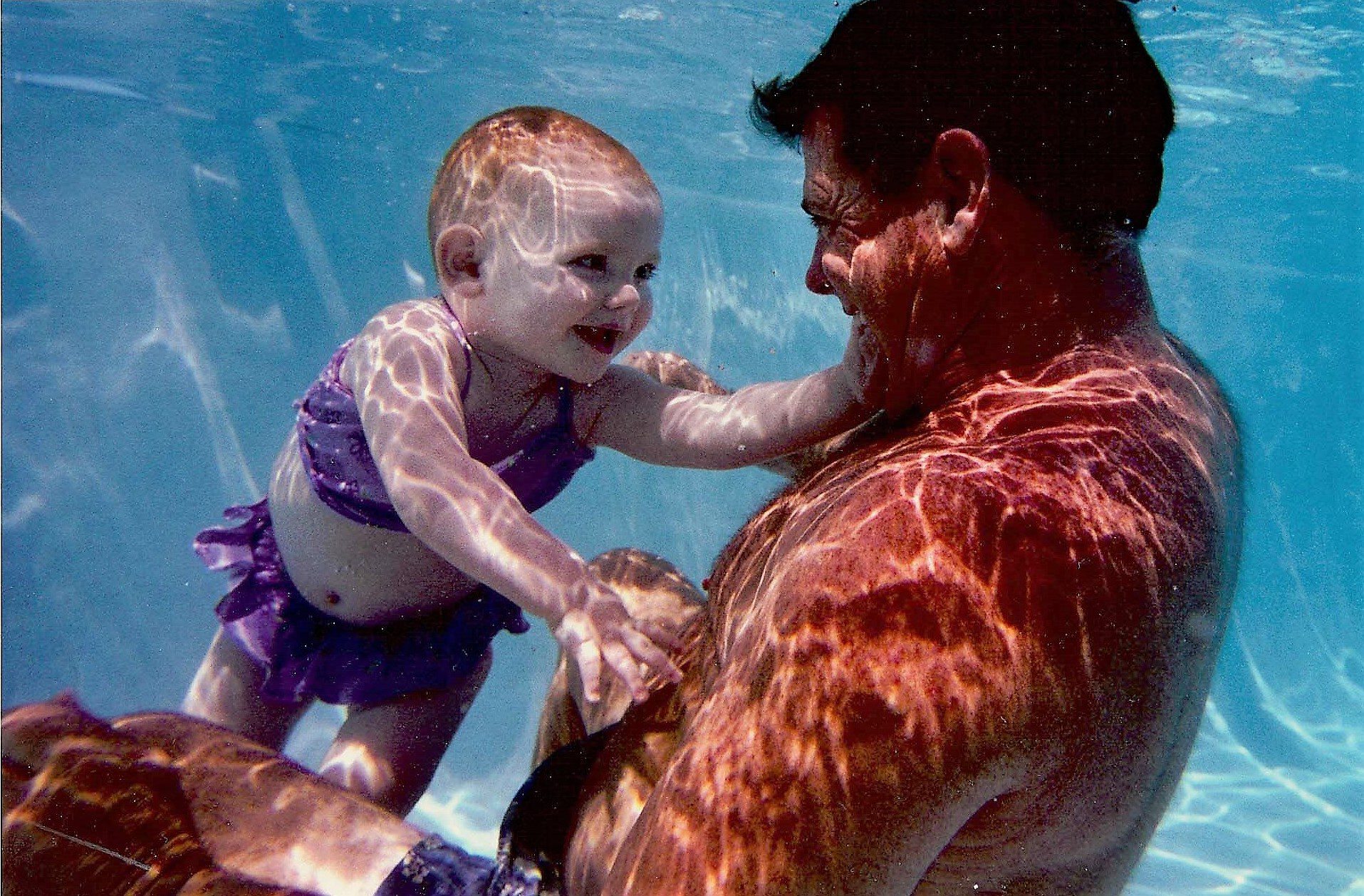
Submitted photo
These different situations are just a small example of the ways a drowning can occur, and they form the basic formula for the Safer 3:
Safer Water…Safer Kids…Safer Response
Safer Water is about determining the risk with the actual water environment. It could be a backyard pool or spa, a community pool, open water such as lakes, rivers or ocean or even household water such as toilets or bathtubs. In the home, the main management would be to prevent access to the water for the very young child by placing barriers such as four-sided fencing around a pool, installing a net or cover or placing alarms at entry doors or windows. In more public settings, swimming or playing in water which is supervised by lifeguards or responsible adults and determining the safest areas for activity can reduce the risk.
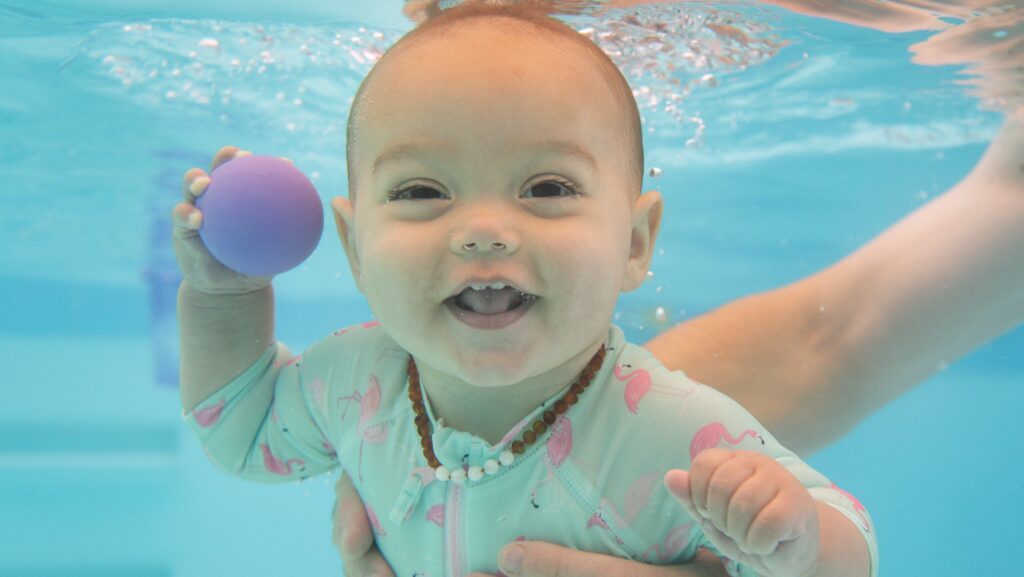
Safer Kids is about providing active rather than passive supervision, providing swim lessons which could develop the skills and experience to preserve the life of the potential victim, the child (or adult), and learn proper behavior when in, on or around the water. The use of Coast Guard Approved life jackets when in, on or around the water by non-swimmers and by all individuals when participating in any watercraft activities could save countless lives.
Safer Response is being prepared if something goes wrong. Learning and maintaining CPR skills, preparing a plan of action such as always having a phone present to call 911, and providing rescue equipment or procedures could be the last line of defense.
In summary, the Safer 3 is about recognizing the ever-present risk that is associated with water activities and determining which strategies should be employed in each situation. Drowning can occur anywhere, anytime and to anybody when it is least expected. The Safer 3 can help reduce the chance of it happening.
May was National Drowning Prevention Month. Where is your risk?