WHAT IS AN UPSTANDER?
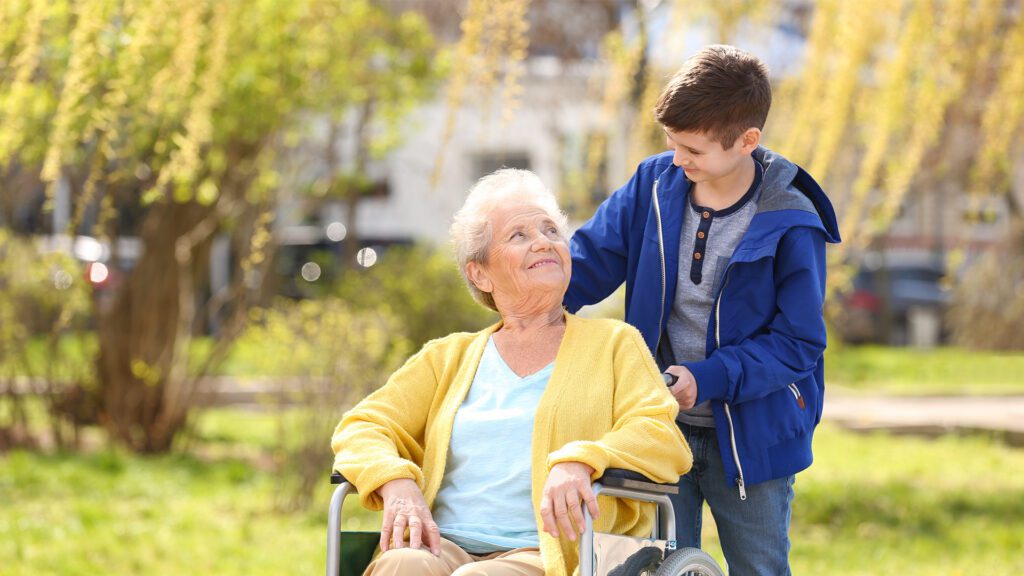
An “upstander” is someone who steps up whenever the time calls for it, as opposed to a “bystander” who sits by and watches.
Being an upstander requires courage, honesty, and a willingness to take action. At Ariser, we call these universal principles and virtues “Polestars”. Polestars are ideals for the students (and us teachers) to aim at. Our goal is to help kids become ‘life champions’, those who put their best foot forward in life. As such, being an upstander is fundamental to what we do.
Being an upstander is about showing up. It is often shown through using words, and can be shown by actions as well.
When the hero is awake within our kids, the thinking, words, and actions naturally follow.
WHAT DOES AN UPSTANDER LOOK LIKE?
Everyday actions like helping someone cross the street, carry groceries, or open the door. In my small-town Midwestern upbringing this was just part of the code. It was just the right thing to do. It wasn’t a question. Most everyone was on board and it helped things function. Especially because I witnessed the older kids carry themselves in this way, for me, it became a given.
Sticking up for someone. We will unpack the specific ‘how-to’ of this in a future article.
Showing up for your Self. This is the real name-of-the-game of wellness, well-being and mindfulness. And this applies not just for children but all ages, across the board. Whether it is practicing positive self-talk, doing esteemable acts, doing things that fill your own bucket, or taking time for self-reflection, all of these equate to showing up for your Self.
TEACHING THE UPSTANDER MINDSET
How do we stay present enough to adopt the upstander mindset?
When we coach kids in Mentoring, we listen intently and then help them unpack situations. We embody an ‘unconditional positive regard, seeing the innate hero within, and setting a tone of non-judgment, acceptance, and empathy. We focus less on right and wrong and more on what IS working and what ISN’T working.
Usually our coaching is a series of questions to have the child reveal the answer to themselves.
Was there a need that wasn’t met? Is there something you could do differently? Do better?
Was there something lost in translation? What did you observe?
And then we guide the students we work with compassionately towards Polestars, life skills, and to see that the hero can be, and is indeed, available at all times.In our immersive hero’s journey class Bright Knights, we provide Quests and settings where kids will get to practice being an upstander in the gameplay. One of Bright Knights taglines is “Be Your Own Hero”. Bright Knights is meant for kids to have fun but also for kids to take what they learn in the gameplay and go live it out there in life.
In Bright Knights, one of the main goals for students is to get to Level 2. To get there, they must check the boxes of certain requirements that show that you know the training and have sufficient experience. Then each kid must write a letter to the High Circle saying that they are ready AND pass a curated test for each student in the gameplay: choose between what they or their character wants, versus what the group needs.
HOW TO SUPPORT AT HOME
For parents – try this prompt with your kids: Tell me about a time you stood up for yourself or someone else? Listen mindfully to your child’s answer, answer this question yourself, and see what comes up for both of you.