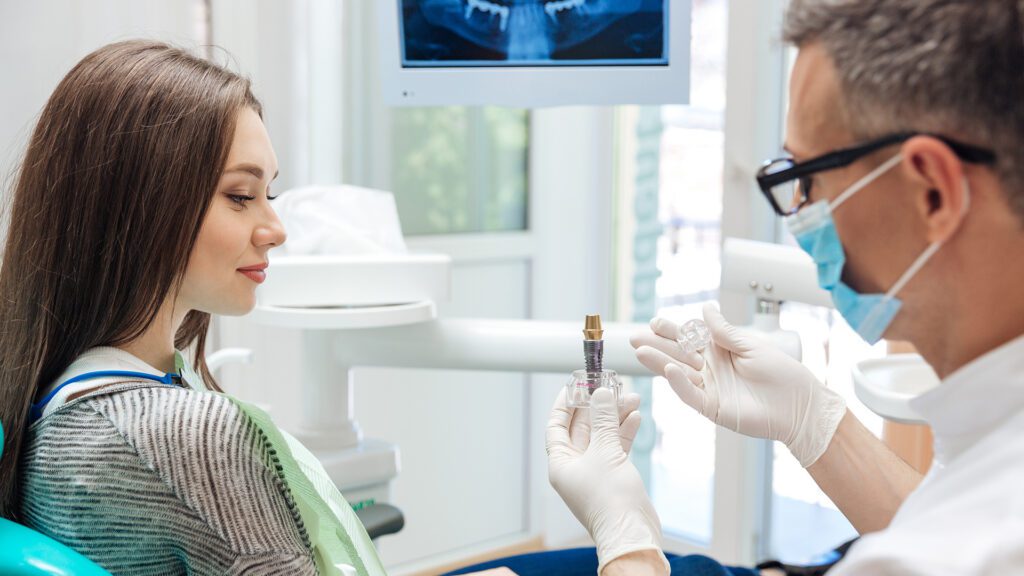
Modern dentistry has evolved tremendously over the past decade. Treatments today are more comfortable, more precise, and often far less invasive than many patients expect. Two of the most impactful advancements I see in everyday practice are clear aligner therapy and dental implants. While many people associate these treatments with cosmetics, both can play an important role in improving long-term oral health and function as well.
Clear aligner therapy has become an increasingly popular option for patients looking to straighten their teeth without traditional metal braces. Aligners are custom-made, removable trays that gradually shift teeth into healthier positions over time. Patients typically wear each set of aligners for about one to two weeks before moving to the next stage in treatment.
One of the biggest misconceptions about aligners is that they are only meant for cosmetic improvements. In reality, properly aligned teeth are often easier to clean and maintain. Crowded or overlapping teeth can create areas where plaque and bacteria are more difficult to remove, potentially increasing the risk of cavities and gum disease. Bite issues can also lead to uneven tooth wear, chipping, or jaw discomfort over time.
Clear aligners can help address many common concerns, including crowding, spacing, rotated teeth, and bite imbalances. Because the aligners are removable, patients are able to brush and floss normally throughout treatment, which can make maintaining oral hygiene easier compared to traditional orthodontics. Many adults also appreciate the discreet appearance and flexibility aligners provide in professional and social settings.
Dental implants are another major advancement in modern dentistry. When a tooth is lost, the effects extend beyond appearance alone. Missing teeth can affect chewing ability, speech, confidence, and even the health of the jawbone itself. Over time, the bone in the area of a missing tooth can begin to shrink due to lack of stimulation.
Dental implants are designed to replace the root structure of a missing tooth. A small titanium implant is placed into the jawbone, where it gradually integrates with the surrounding bone in a process called osseointegration. Once healed, the implant can support a crown, bridge, or denture depending on the patient’s needs.
One of the major benefits of implants is their ability to help preserve bone and provide stability that closely mimics natural teeth. Unlike removable options, implants are fixed in place and can allow patients to eat, speak, and smile more comfortably and confidently. With proper home care and regular dental visits, implants can provide a long-lasting solution for tooth replacement.
Technology has also greatly improved both aligner and implant treatment. Digital scanning, advanced imaging, and modern treatment planning software allow dentists to evaluate oral health more accurately and create highly customized treatment plans for each patient. These advancements help improve precision, efficiency, and overall patient experience.
At White Maple Dental, patient education is a major focus of every consultation. Many individuals are interested in improving their smile but are unsure where to start or whether they are a candidate for treatment. That is why we proudly offer complimentary consultations for clear aligner therapy and dental implants. These visits allow patients to ask questions, better understand their options, and learn what treatment may involve in a comfortable and supportive environment.
As both a dentist and a Lancaster native, I am grateful for the opportunity to provide advanced dental care to the community I proudly call home.
To learn more about complimentary consultations for clear aligners or dental implants, visit White Maple Dental or call (716) 393-9388 or book online at whitemapledental.com.
Any content, resident submissions, guest columns, advertisements, and advertorials are not necessarily endorsed by or represent the views of Best Version Media LLC (BVM) or any municipality, homeowners associations, businesses, or organizations that this publication serves. BVM is not responsible for the reliability, suitability, or timeliness of any content submitted, inclusive of materials generated or composed through artificial intelligence (AI). All content submitted is done so at the sole discretion of the submitting party.