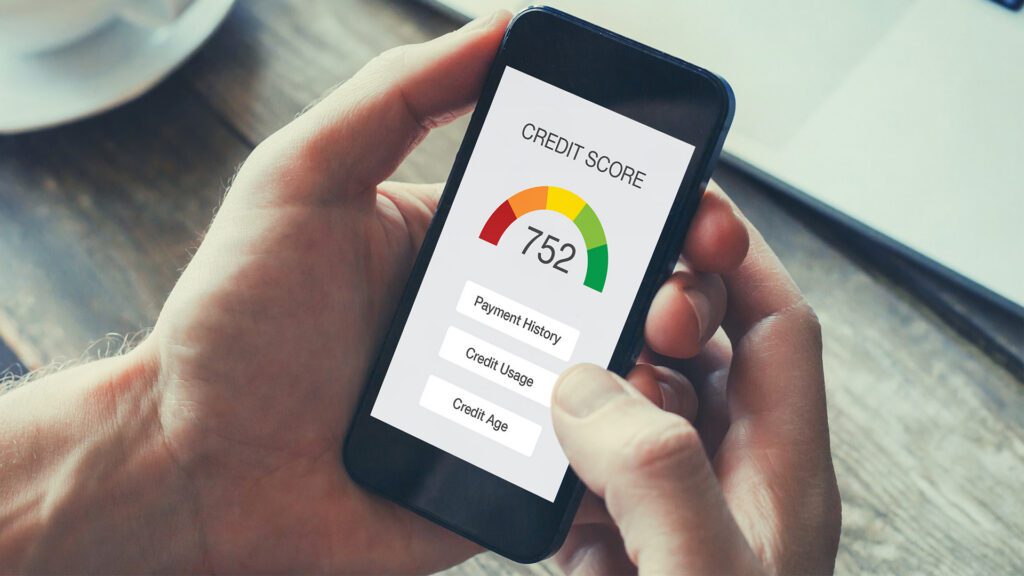
Free credit scores are everywhere. They are promoted as a benefit, a perk, or a quick financial checkup. But many of these offers skip over the basics. What is a credit score, why does it matter, and when should you pay attention to it in the first place?
Credit scores are a statistically derived number used to define a person’s creditworthiness based on previous actions and financial habits. Credit reports and credit scores are used along with other underwriting criteria to arrive at a credit decision for loan applicants. As defined by Experian, credit scores range from 300 to 850 and are grouped together into categories. A poor credit score is 300 to 579, a fair credit score is 580 to 669, a good credit score is 670 to 739, a very good credit score is 740 to 799, and an exceptional credit score is 800 to 850.
WHY SCORES MATTER
Higher credit scores may lead to better chances of securing a loan, lower loan interest rates, an improved likelihood of securing a rental property, lower insurance rates, and higher-quality credit card rewards and limits, among other benefits. On the other hand, low credit scores can result in higher security deposits for housing or utilities, higher insurance premiums, higher interest rates, or even potential employment issues.
In the United States, scores are provided by the three major credit bureaus Equifax, Experian, and TransUnion. Credit scores are made up of a mix of factors—approximately 35 percent payment history, 30 percent amount owed, 15 percent length of credit history, 10 percent new credit opened, and 10 percent types of credit. It’s also important to remember that each bureau may report different scores, as not all lenders and creditors report information to all three bureaus.
SECURED VS. UNSECURED CREDIT
Most available credit products fall into two categories: secured and unsecured. Secured credit is loaned with collateral, such as a home. If that credit is not repaid, the lender may foreclose, repossess, and sell the collateral to recover the money owed. Secured credit is generally granted at a lower rate. Unsecured credit is lent without collateral and often carries a higher interest rate due to the increased risk to the lender, such as with a credit card.
To successfully manage credit and maintain a strong credit score, consumers should only borrow an amount they can afford, ensure a strong understanding of the products or services they use, be aware of the terms and conditions, meet all requirements, and make payments on time to avoid penalties and fees.
CHECK YOUR SCORE
It’s also important to ensure your credit report is accurate. The United States Federal Trade Commission allows consumers to receive one free full credit report (from all three credit bureaus) per year, available at annualcreditreport.com. Credit scores can be accessed at any time, free of charge, through banking apps, credit card providers, or free services from the three major credit bureaus.
Credit is not a license to spend beyond affordability; there will be negative consequences for poor credit management, but there are also many benefits to strong credit management. To learn more about managing credit, visit nbtbank.com.
Randi Fisch is the branch manager of NBT Bank’s Fishkill office (701 Route 9). She has more than 35 years of experience in the banking industry. She is active in the community with the Rotary Club of Wappingers Falls, the Dutchess County Regional Chamber of Commerce, and the Prevention Foundation of the Mid-Hudson Valley, Inc. (of CAPE). NBT has four additional branches in Hudson Valley, including Dover Plains (5 Dover Village Plaza), Newburgh (801 Auto Park Place), New Paltz (275 Main Street), and Poughkeepsie (40 Garden Street).