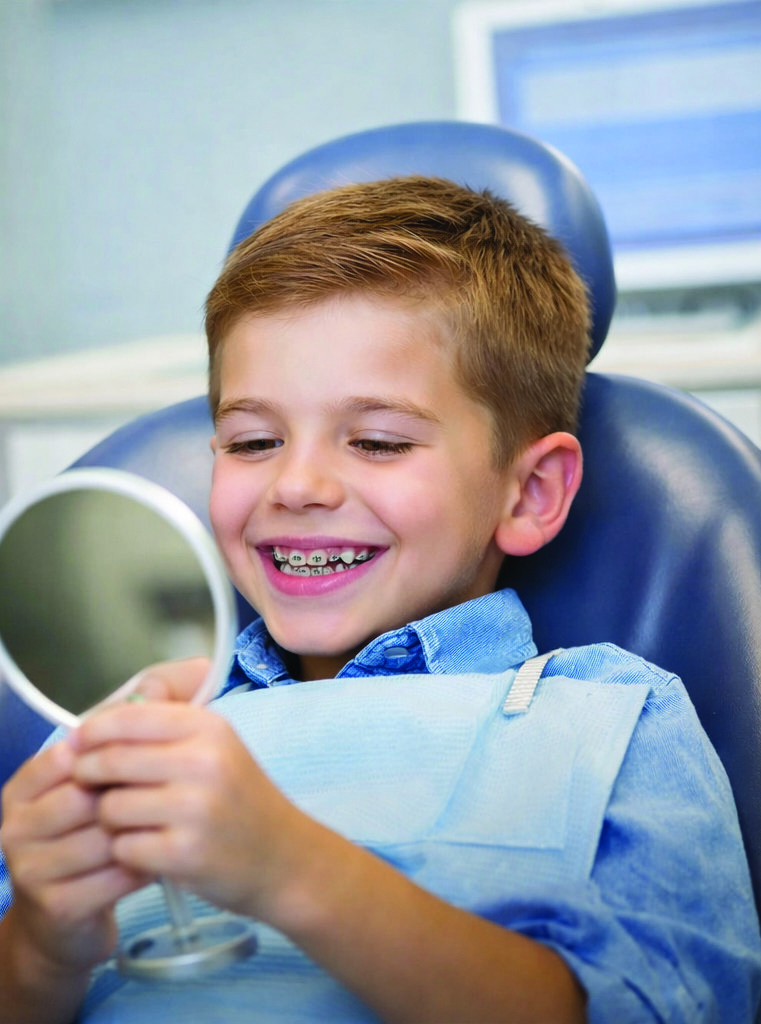
Early orthodontic treatment, also called Phase 1 orthodontics, is a proactive approach to care that begins while a child still has some baby teeth. This strategic timing allows orthodontists to address developing issues before they become more severe.
Phase 1 orthodontics aims to:
- Guide proper jaw growth
- Create adequate space for emerging permanent teeth
- Correct harmful oral habits
- Address bite problems while a child’s facial structures are still developing
This early intervention can significantly reduce the severity of future dental issues, shorten treatment time during the teenage years, and, in some cases, eliminate the need for additional orthodontic treatment altogether.
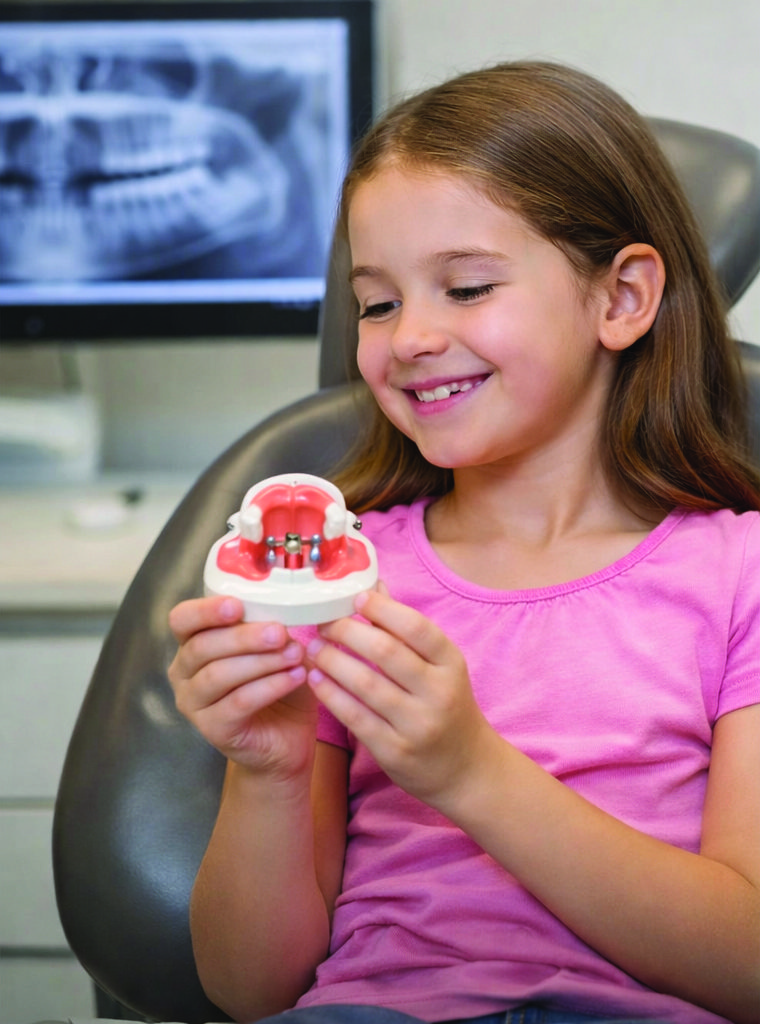
Submitted photo
How Does Early Treatment Prevent Bigger Problems Later?
By addressing developing jaw issues such as underbites, overbites, and crossbites during a child’s growth phase, orthodontists can guide proper jaw development while the bones are still malleable. This timely intervention often reduces or eliminates the need for more invasive procedures, such as tooth extractions or corrective jaw surgery, later in life.
Early treatment also helps create adequate space for permanent teeth to erupt into proper positions. When teeth have sufficient room, the risk of impacted teeth, severe crowding, and abnormal eruption patterns is greatly reduced.
By working with a child’s natural growth patterns, early orthodontic treatment is often more effective, less complex, and more comfortable for many patients.
What Types of Treatment Are Used in Early Orthodontics?
Early orthodontic treatment includes a variety of procedures that can be used individually or in combination to meet each child’s unique needs:
- Palatal expanders: Custom-fitted devices placed on the roof of the mouth that gently widen the upper jaw. This creates essential space for permanent teeth and helps prevent crowding while growth plates are still open.
- Space maintainers: Used when baby teeth are lost prematurely, these appliances hold space for incoming permanent teeth and prevent neighboring teeth from shifting out of position.
- Partial braces: Applied to select teeth rather than the full arch to correct specific issues such as protruding front teeth or crossbites.
- Habit-breaking appliances: Effective for correcting thumb sucking or tongue thrusting habits that can negatively impact jaw development and even speech if left untreated.
- Clear aligners (in select cases): Removable, discreet options that can be used for minor corrections during early treatment phases.
Why Early Evaluation Matters
If you notice concerns such as crowding, difficulty biting or chewing, mouth breathing, or habits like thumb sucking, it’s important to have your child evaluated by an orthodontist as early as possible. Early assessment allows for timely guidance and, when needed, simple interventions that can prevent more complex problems later. Even if treatment isn’t immediately necessary, monitoring growth and development ensures the best possible outcome at the right time.