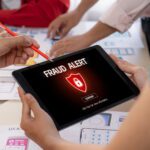
Discovering unauthorized charges on your bank account or credit card can be alarming. Whether it is a few unfamiliar purchases or thousands of dollars missing, quick action can limit the damage and help you recover your money. The good news is that federal laws and bank protections generally shield consumers from major losses if they report fraud promptly.
Contact Your Bank or Credit Card Company Immediately
The first and most important step is to call the number on the back of your card or log into your account and report the fraudulent charges. Most financial institutions have 24-hour fraud departments that can freeze your account, block additional transactions, and begin an investigation. Credit cards typically offer the strongest protections. Under federal law, your liability is usually limited to $50, and most major card issuers offer zero-liability policies. Debit cards can be riskier because thieves are taking money directly from your checking account. Reporting the problem within two business days greatly reduces your potential loss.
Close and Replace Compromised Accounts
Once fraud is reported, ask the bank to cancel the affected card and issue a new one with a different account number. Update any automatic payments tied to the old card, such as utility bills, streaming services, and insurance premiums. If your checking account was compromised, consider opening a new account entirely, especially if your account number may have been exposed.
Review Recent Transactions Carefully
Look through the past several months of account activity to identify every unauthorized transaction. Scammers often start with small “test charges” before making larger purchases. Report anything suspicious, no matter how minor. Continue monitoring your accounts regularly during the following weeks, since fraudulent activity can sometimes reappear.
Change Passwords and Strengthen Security
If your financial account was accessed online, immediately change your password and security questions. Use a strong, unique password that you do not use elsewhere. Enable two-factor authentication so that logging in requires both your password and a one-time verification code. Also change passwords for any email accounts linked to your bank or credit cards, since email is often the gateway criminals use to reset passwords.
Check Your Credit Reports
Fraudulent charges may be a sign that your personal information has been stolen. Obtain free credit reports from AnnualCreditReport.com and review them for unfamiliar accounts or inquiries. If you suspect identity theft, place a fraud alert or credit freeze with the three major credit bureaus: Equifax , Experian , and TransUnion.
File an Identity Theft Report
If your personal information has been misused, report the incident to IdentityTheft.gov , a service of the Federal Trade Commission. The site provides a customized recovery plan and official documentation that can help resolve disputes with creditors.
Document Everything
Keep detailed records of all calls, emails, and correspondence with your bank and credit bureaus. Save copies of dispute forms and confirmation numbers. Good documentation can speed up the reimbursement process if questions arise.
Stay Vigilant
Fraud recovery does not end once the charges are reversed. Monitor your accounts and credit reports for several months to ensure no new activity appears. Having your bank or credit card hacked is unsettling, but acting quickly can minimize the financial impact. Prompt reporting, stronger security, and ongoing monitoring can help restore both your money and your peace of mind.
Michael Copeland is a financial advisor in the Chapin/Irmo area and has been advising clients for over 35 years. Securities and advisory services are offered through LPL Financial, a Registered Investment Advisor, member FINRA/SIPC. The opinions voiced are for general information only and are not intended to provide specific advice or recommendations for any individual.
Any content, resident submissions, guest columns, advertisements, and advertorials are not necessarily endorsed by or represent the views of Best Version Media LLC (BVM) or any municipality, homeowners associations, businesses, or organizations that this publication serves. BVM is not responsible for the reliability, suitability, or timeliness of any content submitted, inclusive of materials generated or composed through artificial intelligence (AI). All content submitted is done so at the sole discretion of the submitting party.