One of the most common questions parents ask is: “When should my child first be assessed for orthodontic treatment?”
It’s an important question because early assessment can make a significant difference in a child’s long-term oral health and development. When orthodontic concerns are not identified early, the resulting bite problems — known as malocclusions — can contribute to excessive tooth wear, crowding, gum recession, higher cavity rates, reduced airway space, and even lower self-esteem as children grow older.
In most cases, around age 7 is an ideal time for a child’s first orthodontic assessment. At this age, children are beginning to develop a mix of baby teeth and adult teeth, which allows dentists and orthodontists to evaluate how the jaws are growing and how the permanent teeth are developing beneath the surface.
A panoramic x-ray is often an important part of this assessment. It can reveal issues that simply cannot be seen clinically, such as missing adult teeth, impacted canine teeth, abnormal eruption patterns, or developing crowding problems. Without this imaging, many of these concerns may go unnoticed until treatment becomes more complicated later on.
Early orthodontic intervention does not always mean braces right away. Sometimes treatment may involve expanders, growth-guidance appliances, or devices that help improve jaw development and airway space. In many children, treatment can wait until most or all adult teeth have erupted — typically around age 12, give or take.
My personal philosophy is to preserve natural teeth whenever possible. I generally prefer non-extraction orthodontic treatment because fuller smiles are often healthier and more stable long term. Quite frankly, we are given a full complement of teeth for a reason. As a general dentist who also provides orthodontic treatment, I regularly see adults who had teeth removed during orthodontic care years ago and now present with recession, bone loss, narrow arches, or compromised bite relationships. In some cases, earlier intervention during childhood may have reduced the need for extractions altogether.
So, when is too early for an orthodontic consultation? In my opinion — never. Even if treatment is not needed immediately, early assessment provides valuable information and allows parents to plan ahead. If your family dentist does not routinely assess orthodontic development, it may be worthwhile to request a referral to an orthodontist or a dentist with orthodontic experience around the age of seven.
After all, creating healthy smiles is about much more than straight teeth — it’s about setting children up for a lifetime of confidence and oral health.
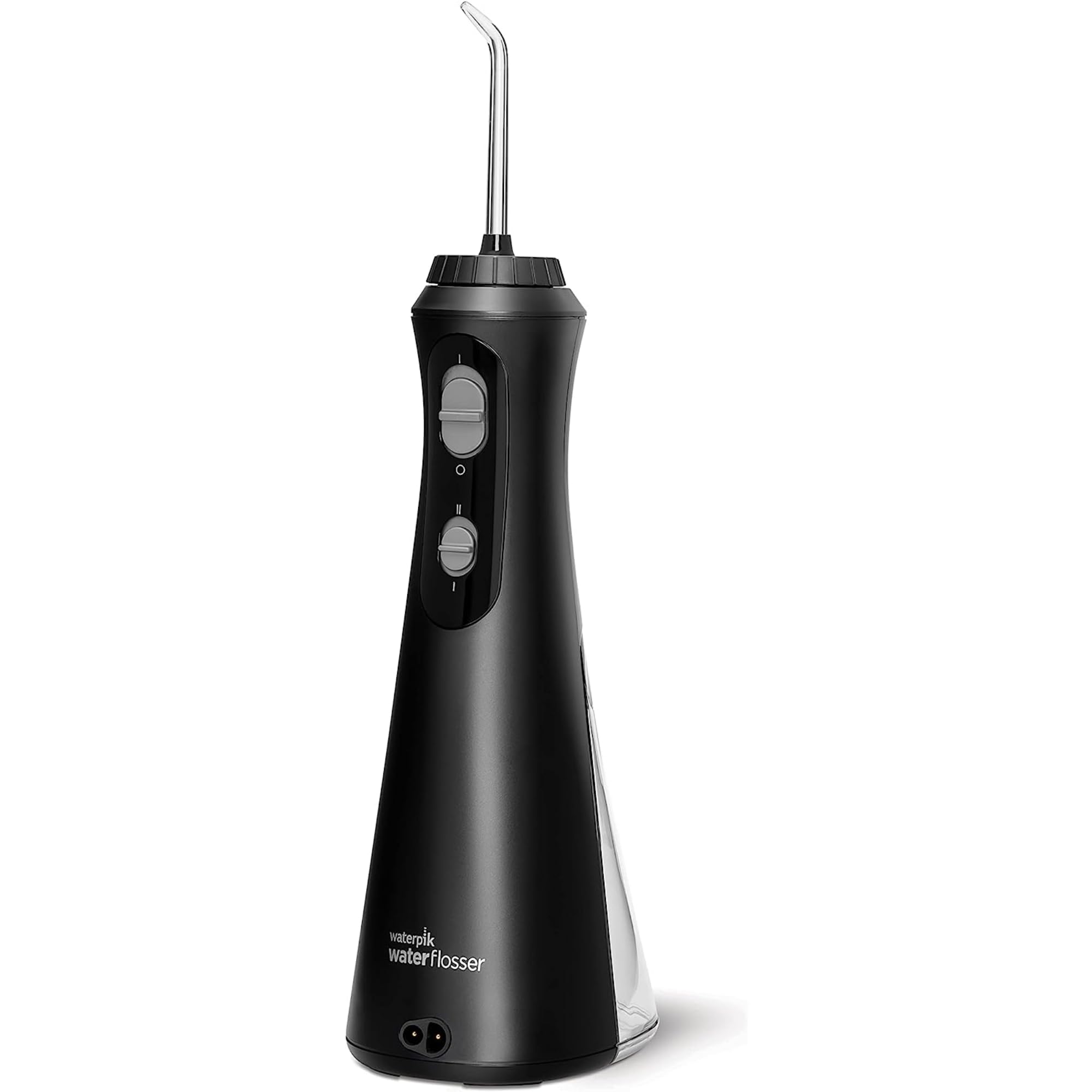
Please inquire about our current promotion: Receive $300 off a full mouth orthodontic treatment and a FREE Waterpik!