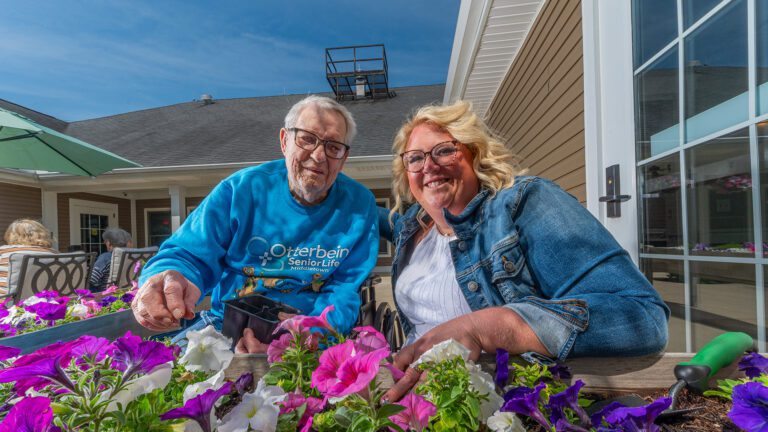
When a loved one suddenly needs rehabilitation or long-term care, it can feel overwhelming. For many families in our community, this moment comes with little warning, often following a hospital stay or unexpected health change – and decisions need to be made quickly.
If you’re feeling unsure of where to begin, you’re not alone. These aren’t decisions most of us plan for ahead of time. The good news is, with a little guidance, you can feel more confident taking those first steps.
Here are a few things to keep in mind as you begin navigating your options:
1. Start With What Your Loved One Really Needs
Begin by thinking about the type of service and amount of support your loved one needs each day. Are they recovering from surgery or an injury and need short-term therapy? Do they have ongoing medical needs that require extended nursing care? Or do they mainly need help with daily activities like bathing, dressing, or meals?
Understanding this will help you focus on the type of care that will support them best.
2. Look Beyond the Building
In many of our local communities, you’ll find a variety of care options, each with its own personality. While appearance matters, what’s most important is how a place feels.
If possible, schedule a visit. While touring, pay close attention to how staff interact with residents as well as you. Are people engaged? Do conversations feel genuine? If you have the opportunity, speak with other families about their experiences.
Those small moments often reflect the true culture of a community.
3. Ask About Therapy and Care Plans
If rehab is part of the journey, take time to understand how therapy is approached. Ask how goals are set, how progress is shared, and how the care team works together.
The strongest programs take a personalized approach – helping each person regain strength and independence at a pace that feels right for them.
4. Pay Attention to Communication
Transitions in care can feel stressful, especially when you’re balancing work, family, and everything in between. That’s why clear, proactive communication is so important.
Ask how updates are shared and who your main point of contact will be. Having someone you can easily reach (and trust) can make all the difference.
5. Trust Your Instincts
At the end of the day, you know your loved one best. If something feels welcoming, respectful, and aligns with your family’s values, that matters.
The right place should feel like an extension of your community, not just a care setting.
In communities like Otterbein, relationships matter. Taking the time to ask questions, visit in person, and connect with care teams can help you feel more confident in your decision.
The goal is simple: finding a place where your loved one feels safe, supported, and truly cared for and where you feel at peace knowing they’re in good hands.
Any content, resident submissions, guest columns, advertisements, and advertorials are not necessarily endorsed by or represent the views of Best Version Media LLC (BVM) or any municipality, homeowners associations, businesses, or organizations that this publication serves. BVM is not responsible for the reliability, suitability, or timeliness of any content submitted, inclusive of materials generated or composed through artificial intelligence (AI). All content submitted is done so at the sole discretion of the submitting party.