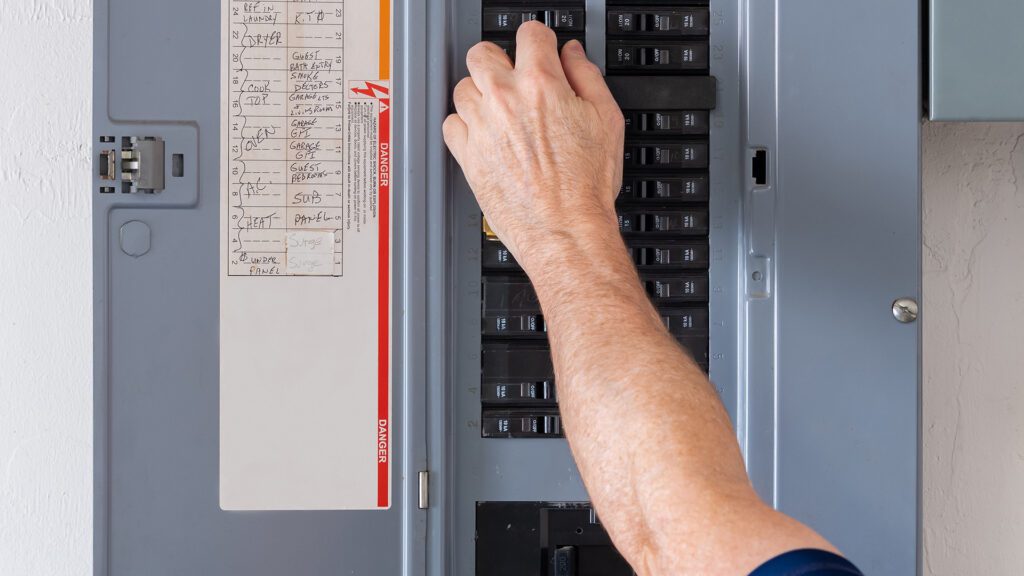
One of the most overlooked parts of a home’s electrical system is also one of the most important parts of the electrical panel. It quietly manages the flow of electricity throughout the entire house, yet most homeowners rarely think about it until something starts to go wrong. In today’s homes, where energy use has increased significantly, understanding the role of the panel has never been more important.
What makes this topic especially relevant is how dramatically household electrical demands have changed. Many homes were built at a time when daily power usage was far simpler. Today, families are running multiple large appliances, entertainment systems, home offices, and charging devices simultaneously. In many cases, older panels were never designed to safely handle this level of continuous demand.
From an electrician’s perspective, one of the most common issues we see is a system that is no longer keeping up with the home it serves. Frequent breaker trips, dimming or flickering lights, and limited breaker space are often early indicators that a panel is under strain. While these signs may seem minor at first, they can point to a system that is working harder than it should.
What many homeowners may not realize is that an electrical panel upgrade is not simply about adding capacity. It is also about improving safety, stability, and long-term reliability. A properly functioning panel helps distribute power more evenly, reduces stress on circuits, and supports the safe operation of modern appliances and equipment.
Another important aspect is future readiness. As more homes add energy-intensive upgrades such as electric vehicle chargers, backup generators, and expanded HVAC systems, the electrical panel becomes a critical factor in what a home can safely support moving forward. Planning ahead helps prevent costly limitations later on.
From years of working in residential electrical systems, one key insight stands out: every home has a different electrical story. The right solution depends on how the home is used today and how it will be used in the future.
As technology continues to evolve, so will the demands placed on residential electrical systems. Homes that stay ahead of these changes will benefit from greater efficiency, improved safety, and long-term peace of mind.